


Family Counselling in Calgary

Every family goes through periods where things feel stuck. Communication breaks down. The same arguments keep happening. Someone withdraws, someone escalates, and nobody knows how to find their way back to each other. Sometimes one family member’s struggle — a teenager’s mental health, a parent’s grief, a child’s diagnosis — ripples through the whole household in ways that are hard to navigate alone.


Family counselling at Solasta creates a space where families can slow down, be heard, and begin to understand what’s actually happening beneath the surface. Our therapists don’t just help families manage conflict — they help families understand why the same patterns keep repeating, and how to change them in ways that last.

What Brings Families to Counselling

Families come to counselling for many different reasons. There is no threshold you have to reach, no level of crisis required. Some families are navigating something acute — a separation, a mental health diagnosis, a bereavement. Others simply feel that they have drifted apart or that communication has become strained in ways that don’t seem to be getting better on their own.

Separation and divorce — helping children and parents navigate the emotional and practical realities of family separation, including co-parenting conflict, loyalty binds children experience between parents, and the adjustment to two households.

Blended families — stepfamily dynamics are genuinely complex. New relationships, new household rules, children with different loyalties and histories, and the emotional weight of what came before. Family counselling helps blended families build a workable dynamic rather than struggling through it alone.

A teenager who has become unreachable — adolescence is one of the most common triggers for family counselling. A teen who has withdrawn, who is struggling with mental health, who is in escalating conflict with parents, or who seems to be a different person from the child you knew — these situations are stressful for the whole family and benefit from professional support.

A child’s mental health diagnosis or neurodivergence — receiving a diagnosis for a child (ADHD, autism, anxiety, depression) changes the family system. Parents may disagree about how to respond, siblings may feel overlooked, and the child at the centre may need help integrating their new understanding of themselves. Counselling supports the whole family through this process.

Grief and loss — when a family member dies, each person in the family grieves differently. These differences can lead to isolation, misunderstanding, and disconnection at exactly the moment when connection is most needed. Family counselling creates a space to grieve together rather than separately.

Communication that has broken down — families where members have stopped talking to each other, where conversations reliably escalate into conflict, or where certain topics have become completely off-limits often need external support to find a way back to genuine communication.

Parenting disagreements — parents who have fundamentally different approaches to discipline, expectations, or responding to a child’s needs can unintentionally create an inconsistent, confusing environment for their children. Counselling helps parents align without either partner feeling criticised or dismissed.

Adoption and fostering — the psychological dimensions of adoption and fostering are specific and require therapists with genuine expertise. Solasta has a particular strength in this area — see our dedicated adoption counselling page for more detail.

Cultural and intergenerational dynamics — families navigating different cultural expectations across generations, or managing the particular challenges of immigrant families balancing cultural identity with Canadian life, benefit from therapists who are culturally responsive and experienced in these dynamics.

grief therapy calgary

Therapists Specializing in Family Counselling

How Family Counselling Works at Solasta

Family counselling at Solasta is collaborative, not adversarial. The therapist is not a judge who decides who is right — they are a skilled observer and guide who helps the family see its patterns from the outside, access the feelings and needs that are driving those patterns, and develop new ways of relating.

Understanding the System

Family therapy is grounded in the understanding that families are systems — that individuals within a family influence and are influenced by every other member, and that what looks like “one person’s problem” is almost always connected to the dynamics of the whole family. A child’s anxiety may be sustained by a parent’s response to it. A teenager’s defiance may be a response to feeling unheard. A couple’s conflict may be shaped by unspoken grief.

Family counselling helps families see these connections — not to assign blame, but to understand what’s actually happening and what actually needs to change.

Who Attends

Family counselling does not require every family member to attend every session. Your therapist will discuss with you who should be in the room and when. Some sessions may include all family members. Others may focus on the parenting couple, or on one parent and one child, or on individual work alongside family sessions. The structure is flexible and adapted to what will be most useful at each stage.

Children as young as six or seven can participate meaningfully in family sessions, particularly when the therapist is experienced in working with children. For younger children, play therapy may be incorporated as a way to help them communicate what they cannot yet put into words.

What to Expect

The first session is primarily an intake — your therapist will spend time understanding your family’s history, current situation, and what you’re hoping therapy will help with. Subsequent sessions build on this foundation.

Family sessions are 50 minutes and are available in person at our NW Calgary office and online across Alberta. Online family sessions work well for many families — including those where not all members are in the same location — and the therapeutic process translates effectively to a virtual format.

Family Counselling for Adult Children and Their Parents

The relationship between parents and adult children is one of the most underserved areas in family therapy — and one of the most common reasons families come to Solasta.

These relationships carry enormous history. Old patterns from childhood tend to reassert themselves in adult family interactions, making it hard to relate to each other as the people you’ve actually become. A parent may still relate to a 35-year-old as they did when they were 12. An adult child may find themselves regressing into childhood dynamics the moment they walk through the family home door.

Common situations we work with include:

An adult child returning home — navigating new expectations, boundaries, and household dynamics when a grown child moves back, whether due to financial pressures, relationship breakdown, mental health difficulties, or other circumstances.

Parents struggling to let go — the shift from a parenting role to a relationship between adults requires adjustment on both sides. When parents continue to parent in ways their adult child experiences as controlling or intrusive, counselling can help both parties renegotiate the relationship.

Adult children managing a parent’s decline — when a parent’s physical or cognitive health is deteriorating, adult children often find themselves in unfamiliar caregiving roles while simultaneously managing their own grief. Sibling conflict about care decisions is extremely common in these situations.

Conflict between siblings in adulthood — old rivalry, perceived favouritism, different life choices, or disagreements about parenting and family roles can create significant fractures between adult siblings. Family counselling can help siblings understand each other’s perspectives and find more constructive ways of relating.

Healing historical wounds — some adult children come to family therapy to address things that happened in childhood that have never been properly acknowledged or discussed. This work requires care, skilled facilitation, and a commitment from all parties — but it can be genuinely transformative.

Approaches We Use

Calgary mental health blog

Family Systems Therapy — understands each person’s behaviour in the context of the family as a whole. Rather than identifying one person as the problem, systems therapy looks at patterns of interaction and how family members influence each other — including patterns that have been present for generations.

Emotionally Focused Therapy (EFT) — focuses on the emotional bonds between family members, helping people understand and express their needs more clearly and respond to each other with greater empathy and attunement.

Cognitive Behavioural Therapy (CBT) — helps family members identify and change unhelpful thought patterns and behaviours that are contributing to conflict or disconnection.

Narrative Therapy — explores the stories families tell about themselves and each other, helping members develop new, more constructive ways of understanding their experiences and relationships. Particularly useful when families are stuck in fixed narratives about who each person is.

Gottman Method — for families where the couple relationship is central to the family’s functioning, Gottman-informed approaches provide evidence-based tools for communication and connection.

Why Choose Solasta for Family Counselling Calgary?

At Solasta, we pride ourselves on providing high-quality, compassionate care. Here’s why our clients trust us:

Experienced Psychologists

Our team brings a wealth of expertise in various therapeutic approaches, ensuring the best fit for your needs.

Person-Focused Care

We prioritize your goals and preferences, creating a collaborative and empowering therapeutic relationship.

Flexible Options

With in-person and virtual counselling available, we make it easy to access support wherever you are in Alberta.

What Makes Solasta's Family Counselling Different

Therapists Who Understand Family Life From the Inside

Several of Solasta’s therapists bring not just clinical training but genuine lived experience of the complexities of family life.

Scott McKirdy and Dr. Gillian McKirdy, co-founders of Solasta, are both adoptive parents with published research on adoptive family experiences. They understand from the inside what it means to navigate the specific emotional terrain of adoption, attachment, and building family across difference. Scott has held positions with Amaris Adoption and Family Support Services and has given presentations on adoptive parent experiences across Alberta.

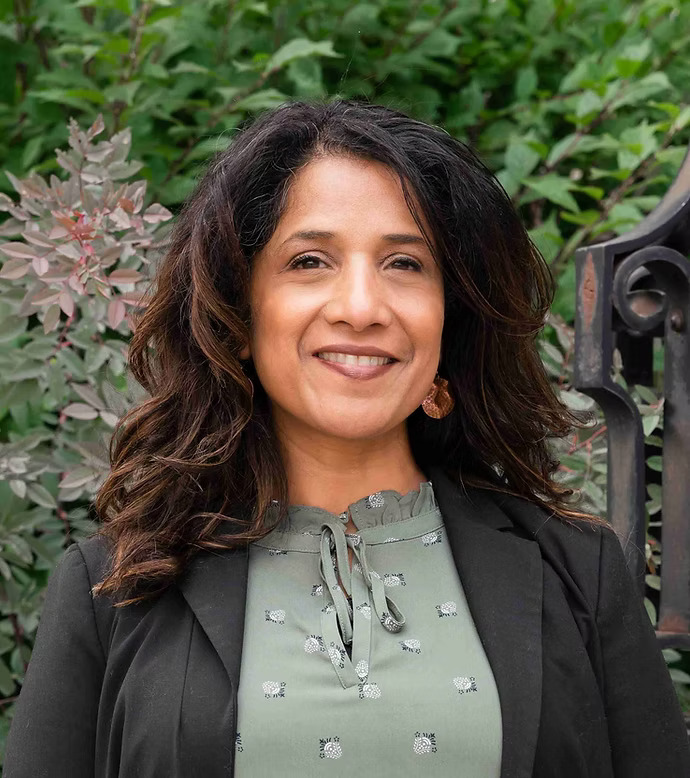
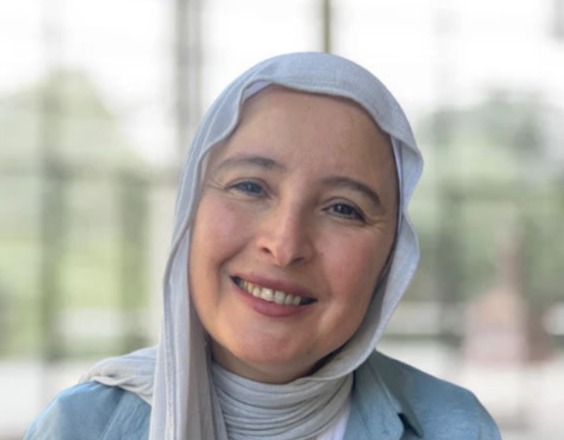
Jocelyn Simpson spent 25 years as a teacher and 19 years as a parent before becoming a therapist — she brings a depth of real-world understanding of children, adolescents, and family dynamics that is genuinely unusual. Josephine Enechukwu has over 20 years of experience working with families across generations and cultures, including founding community programs for girls and youth.

These are not therapists who know family life only from a textbook.

A Large Team Means the Right Match

Family counselling requires a therapist who the whole family can trust — and finding that fit is not always straightforward. At Solasta, with 17 clinicians across a range of backgrounds, specialisations, and therapeutic approaches, you have the flexibility to find the therapist whose style, experience, and background best matches your family’s specific situation. If the first match isn’t right, we’ll help you find a better one.

Assessment Expertise When It’s Needed

Sometimes what a family needs alongside counselling is clarity — a formal assessment of a child who may have ADHD, a learning disability, or autism. At Solasta, assessments and counselling are available under the same roof. If your child receives a diagnosis through our assessment team, you can move directly into therapeutic support without starting over somewhere else. This continuity of care matters, particularly for families already navigating a difficult period.

Does Insurance Cover Family Counselling?

Family counselling sessions with a Registered Psychologist are covered by most extended health benefit plans. Solasta offers direct billing to over 30 insurance providers. Coverage depends on your specific plan and the credential of your therapist — visit our fees page for full pricing information.

Note that insurance coverage typically applies to individual sessions even when the format is family counselling — check with your insurer to confirm how family sessions are billed under your plan.

CAP

All of our psychologists are registered with the College of Alberta Psychologists.

PAA

Many of our psychologists are members of the Psychologists Association of Alberta.

CCPA

Many of our psychologists are members of the Canadian Counselling and Psychotherapy Association.

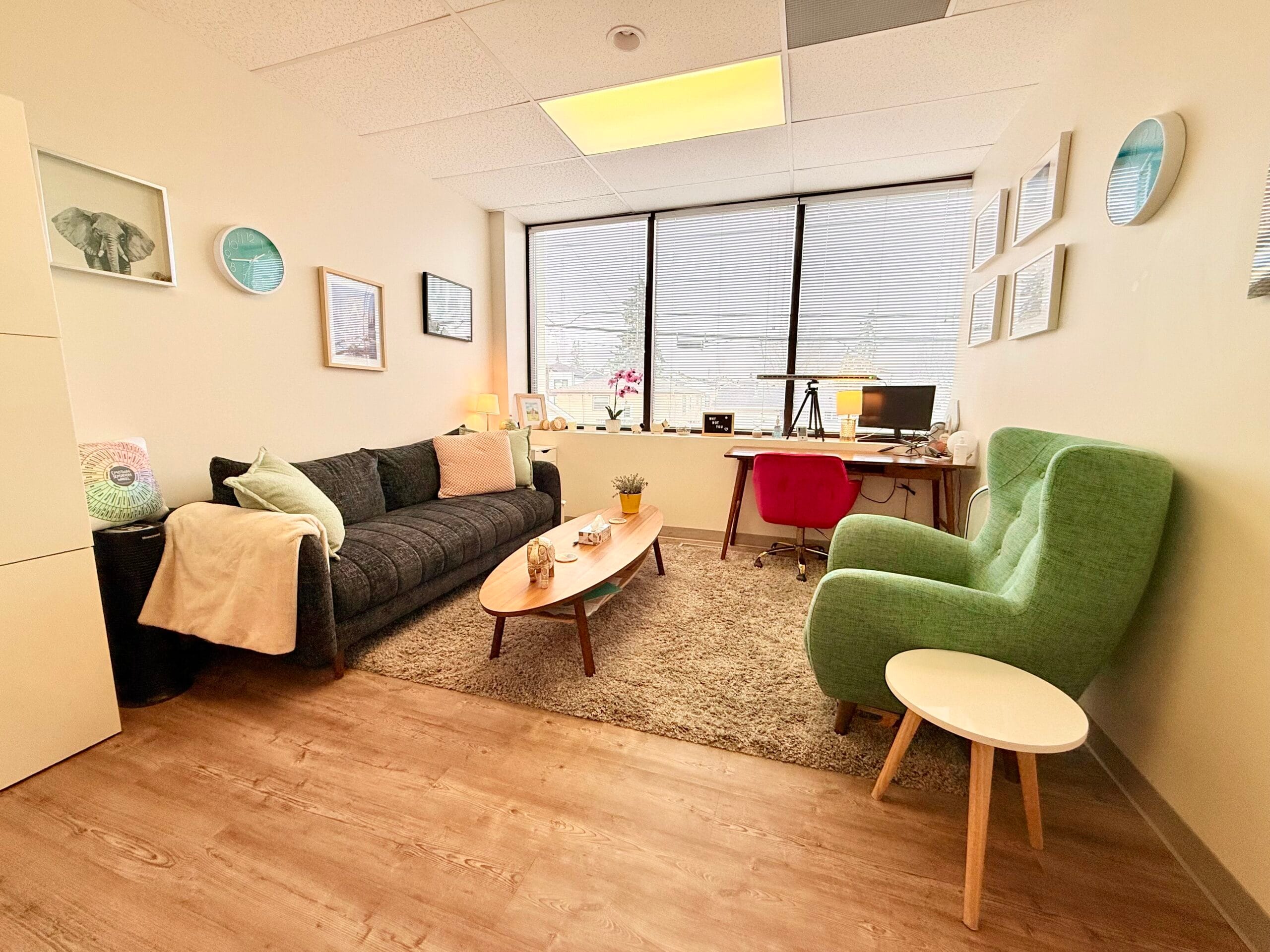
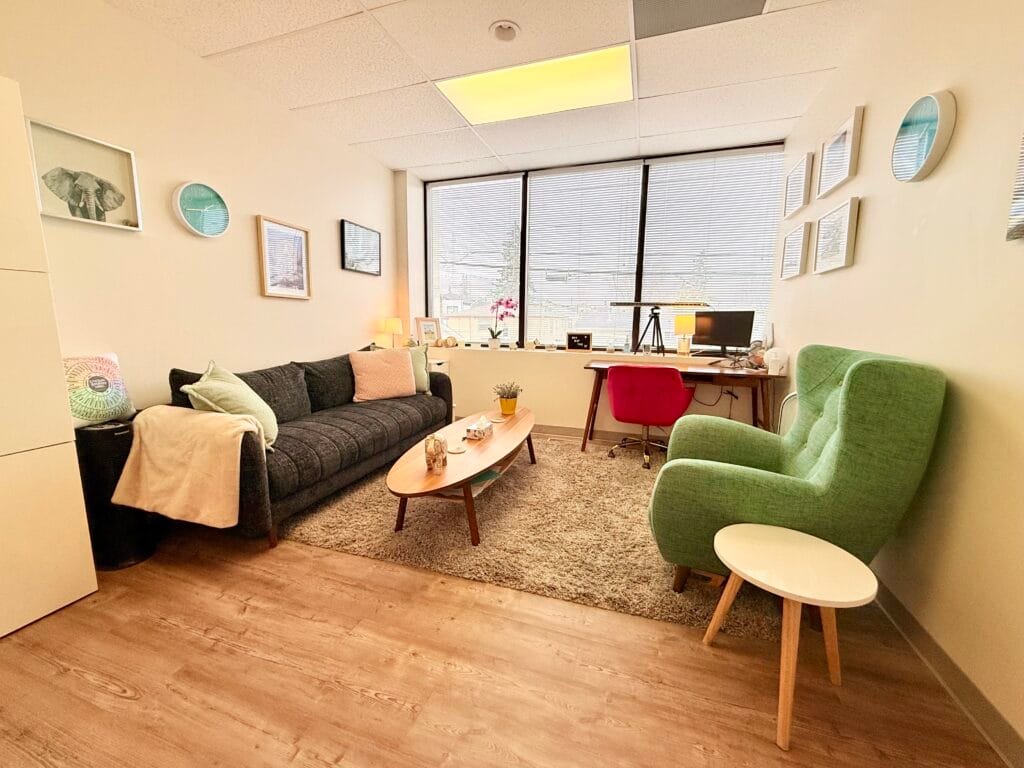
Our Calgary Office Space

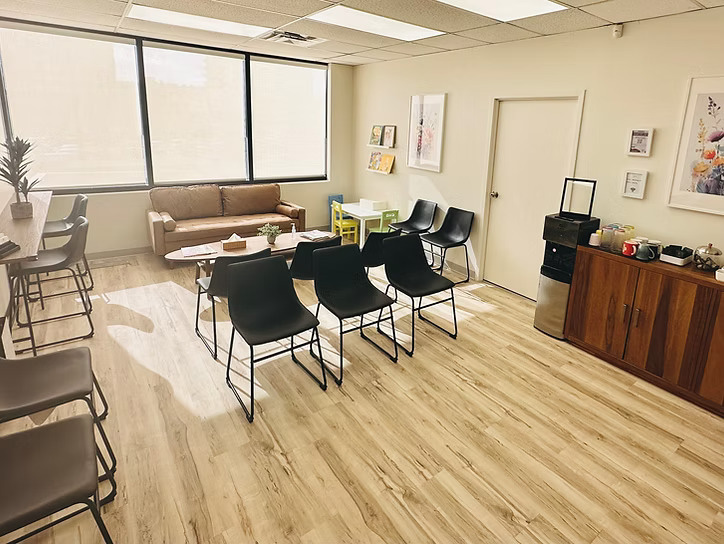
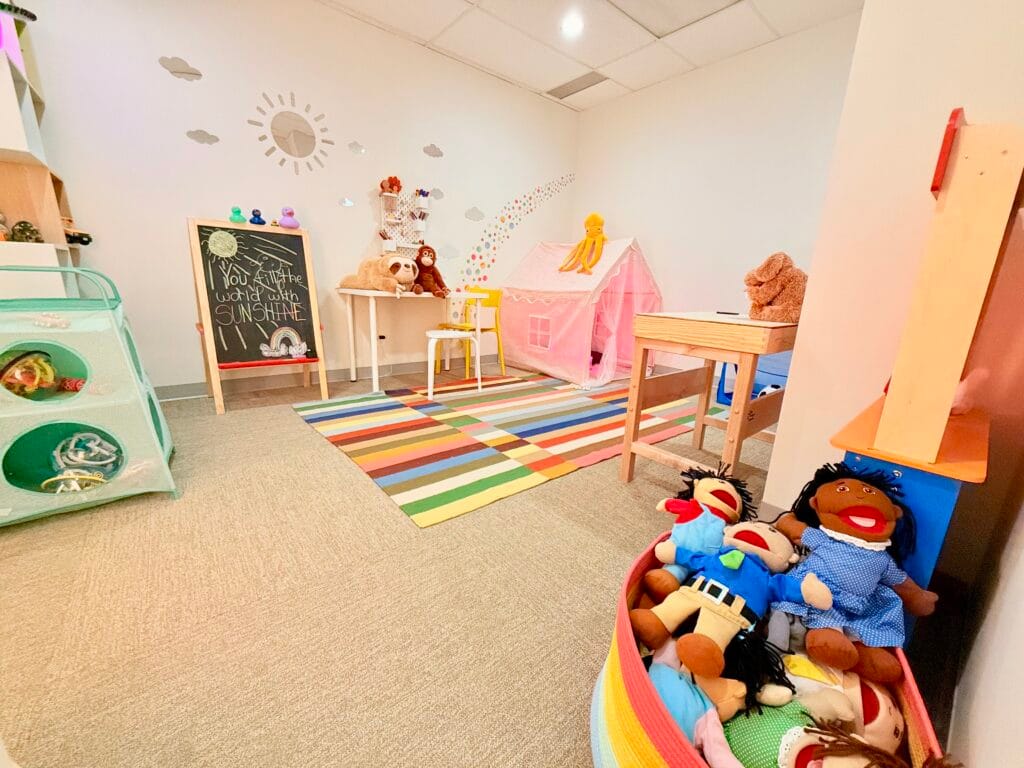
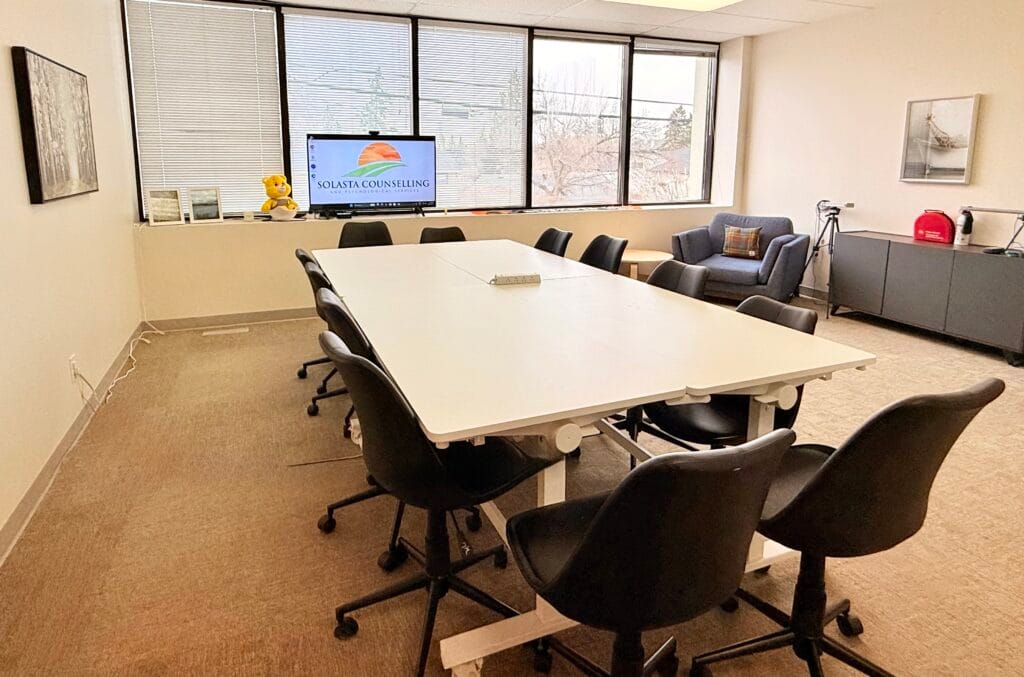
Our thoughtfully designed counselling spaces are crafted to create a warm, welcoming environment where you can feel completely at ease.

Get Started With Solasta in Three Easy Steps

1

Find Your Therapist

2

Book Online

Choose a date and time that fits your schedule and receive instant confirmation of your appointment.

3

In-person or Online

Visit our welcoming Calgary office or meet with your therapist online from the comfort of your home.

FAQs

Family counselling can be helpful when communication has become strained, conflicts feel repetitive or unresolved, or when a family is navigating a transition such as separation, parenting challenges, or a child’s emotional or behavioural concerns. You don’t need to be in crisis to benefit. Many families seek counselling to better understand one another, improve communication, and create a more supportive and connected environment at home.

This depends on your family’s needs and goals. In many cases, sessions include parents and children together, while in other situations, some sessions may involve just parents or individual family members. Your therapist will work collaboratively with you to determine who should attend and when, ensuring that each session is structured in a way that feels productive, safe, and appropriate for everyone involved.

Family counselling sessions focus on understanding patterns within the family system, improving communication, and working through challenges together. Your therapist may guide conversations, help each person feel heard, and introduce practical strategies for managing conflict or strengthening relationships. Sessions are collaborative and paced carefully to ensure that everyone feels supported, especially when discussing sensitive topics.

The length of family counselling varies depending on the concerns you are working through and your goals as a family. Some families attend for a short period to address a specific issue, while others engage in longer-term work to improve communication and relationships over time. Many families begin with weekly or biweekly sessions and adjust as progress is made.

It’s very common for one or more family members to feel unsure or hesitant about starting counselling. Therapists are experienced in working at a pace that feels comfortable and in helping individuals feel heard rather than pressured. Even if not everyone is ready to fully engage at first, counselling can still be helpful in creating small shifts in communication and understanding that build over time.

While individual counselling focuses on one person’s thoughts, emotions, and experiences, family counselling looks at the relationships and patterns between family members. The goal is not to assign blame, but to understand how each person contributes to the dynamic and how the family can move forward in a more supportive and connected way. This broader perspective often leads to more lasting and meaningful change.