


Anxiety Therapy in Calgary
Anxiety can feel like your mind is working against you — constant worry, racing thoughts, avoidance, and a body that stays stuck in fight-or-flight. At Solasta, our registered psychologists and therapists offer evidence-based anxiety therapy in Calgary to help you understand what’s driving your anxiety and build a sustainable path out of it
What is Anxiety and How Can Therapy Help?
Anxiety is a natural response to stress, but when it becomes chronic or overwhelming, it can interfere with your ability to function normally. Common symptoms of anxiety include excessive worry, restlessness, irritability, difficulty concentrating, and physical symptoms such as a racing heart or sweating.
If anxiety is not managed, it can lead to panic attacks, phobias, and even other mental health conditions like depression.
Why Should I Seek Therapy for Anxiety?
Anxiety is one of the most treatable mental health concerns — but it rarely improves on its own. Left unaddressed, anxiety tends to narrow your world: you avoid more, worry more, and the things that once felt manageable start to feel impossible.
Therapy works by helping you understand the patterns maintaining your anxiety, not just manage the symptoms in the moment. At Solasta, we use evidence-based approaches including Cognitive Behavioural Therapy (CBT), Mindfulness-Based Stress Reduction (MBSR), and Exposure Therapy — methods with strong research support for anxiety, panic, and related conditions.
Types of Anxiety We Address
Anxiety isn’t one-size-fits-all. It shows up differently depending on your history, your nervous system, and your life circumstances. Our therapists are trained to work with a full range of anxiety presentations — from everyday worry that’s become overwhelming to more complex conditions like OCD and PTSD.
Some common types of anxiety we treat include generalized anxiety disorder, social anxiety, specific phobias, and panic disorder. We also work with individuals dealing with anxiety related to trauma, performance pressures, and other life stressors.
Our compassionate, evidence-based approach ensures that each person receives the tools they need to manage their anxiety and regain a sense of peace and stability.
Generalized Anxiety Disorder (GAD)
People with GAD experience excessive worry and anxiety about a variety of events or activities. “How can therapy help with generalized anxiety?” Therapy helps individuals identify patterns of worry, challenge negative thinking, and learn practical relaxation techniques.
Panic Disorder
Panic disorder involves recurring panic attacks, which are sudden, intense periods of fear and physical symptoms such as shortness of breath, chest pain, and dizziness. “How can therapy help with panic attacks?” Our therapists use exposure therapy and relaxation techniques to help clients manage and reduce panic attacks.
Social Anxiety Disorder
Social anxiety involves intense fear or discomfort in social situations, which can lead to avoidance and isolation. “How can I overcome my fear of social situations?” Cognitive-behavioural therapy (CBT) can help you confront fears, challenge negative beliefs, and gradually improve social skills to build confidence in social settings.
Phobias
Phobias are intense, irrational fears of specific objects or situations. “How do I manage my fear of flying or heights?” Therapy helps individuals face their fears in a safe, gradual way, reducing the power these phobias have over their lives.
Obsessive-Compulsive Disorder (OCD)
OCD involves recurring thoughts (obsessions) and repetitive behaviours (compulsions) that are difficult to control. “Can therapy help with OCD?” Yes, therapy, particularly CBT and exposure response prevention (ERP), helps individuals break the cycle of obsessions and compulsions, allowing them to regain control.
Post-Traumatic Stress Disorder (PTSD)
PTSD can occur after experiencing a traumatic event and is characterized by flashbacks, nightmares, and intense feelings of fear. “How can therapy help with PTSD?” Trauma-focused therapy helps individuals process past trauma, reduce symptoms, and regain a sense of safety and calm.
Health Anxiety
Health anxiety involves persistent, disproportionate worry about having or developing a serious illness. It often leads to frequent body checking, reassurance seeking, or — conversely — avoidance of medical care. CBT is highly effective for health anxiety, helping you break the worry-checking cycle and rebuild trust in your body.
Benefits of Anxiety Therapy
Therapy for anxiety provides numerous benefits for individuals who are struggling with anxiety symptoms. Some of the key benefits include:
What Changes With Anxiety Therapy?
The goal of anxiety therapy isn’t to eliminate anxiety entirely — some anxiety is useful. The goal is to stop anxiety from running your life.
With the right support, most people experience a meaningful reduction in the intensity and frequency of anxiety symptoms. You develop a clearer understanding of your triggers, more effective tools for managing difficult moments, and — over time — a different relationship with uncertainty and fear.
Many clients also notice improvements in sleep, concentration, and relationships in around 8 to 15 sessions as anxiety becomes more manageable. These changes don’t happen overnight, but they tend to be lasting because therapy addresses the underlying patterns, not just the surface symptoms.
Anxiety and Your Body
Anxiety isn’t just a mental experience. Chronic tension, a racing heart, disrupted sleep, digestive issues, and persistent fatigue are all common physical manifestations of anxiety that often go unrecognised. Many people spend years managing physical symptoms without realising anxiety is the underlying driver.
Our therapists understand the mind-body connection in anxiety and work with you to address both the psychological patterns and the physical impact anxiety has on your daily functioning.
What to Expect During Anxiety Therapy Calgary at Solasta
Our therapists will work closely with you to develop a treatment plan tailored to your unique needs. Here’s what you can expect:
Personalized Treatment Plan
After an initial assessment, your therapist will discuss which approaches are likely to be most effective for your specific anxiety — whether that’s CBT, exposure work, mindfulness-based techniques, somatic therapy, or a combination. You’ll set goals together and adjust the plan as you progress.
Evidence-Based Approaches
We use therapies with strong research support for anxiety: Cognitive Behavioural Therapy (CBT), Exposure and Response Prevention (ERP) for OCD, Mindfulness-Based Stress Reduction (MBSR), and trauma-focused approaches where relevant. We don’t use generic talk therapy as a default — the approach is matched to what actually works for your specific concern.
Safe and Supportive Environment
Talking about anxiety — especially when it’s been with you for years — takes courage. Our therapists create a space where you can be honest about what’s actually happening without fear of judgment. Many clients tell us they’ve never felt comfortable talking about their anxiety before. That changes here.
Common Questions About Anxiety Therapy Calgary
If you’re struggling with anxiety and unsure whether therapy is the right choice, you’re not alone.
Many people experience anxiety that impacts their daily lives, and therapy can offer effective tools for managing it. Here are answers to some common questions about anxiety therapy and how it can support you.
How Do I Know if I Need Therapy for My Anxiety?
If you find that your anxiety is affecting your daily life, relationships, or work, or if you experience physical symptoms such as difficulty sleeping or panic attacks, therapy can be a helpful way to regain control.
How Many Therapy Sessions Will I Need for Anxiety?
The number of sessions varies based on the severity of your anxiety.
“How long will it take to feel better?”
Some clients see improvement in a few sessions, while others may need long-term therapy. Your therapist will work with you to set goals and timelines for your treatment.
Can Therapy Help Me Stop Having Panic Attacks?
Yes, therapy can significantly reduce the frequency and severity of panic attacks.
“How can therapy help with panic attacks?”
Through CBT and exposure therapy, therapists help individuals understand the triggers of panic attacks and learn strategies to manage them.
Will Therapy Help Me if I Have Social Anxiety?
Absolutely.
“How can therapy help with social anxiety?”
Anxiety therapy Calgary helps individuals confront their fears about social situations gradually, develop new social skills, and reduce negative self-talk, building confidence in social settings.
Why Choose Solasta for Anxiety Therapy in Calgary?
Solasta’s team includes registered psychologists and therapists with specific training in anxiety disorders. We don’t take a one-size-fits-all approach — your treatment plan is built around your specific presentation, your history, and what you’re actually dealing with day to day.
We see clients in person at our NW Calgary office and online throughout Alberta. Most clients are able to book within days, not months — no waitlist for most of our anxiety therapists.
If you’re not sure where to start, our free consultation call is a no-obligation conversation with someone who can help you figure out whether therapy is right for you and who might be the best fit.
Calgary Counselling and Psychology Services
Our Calgary psychologists have a wide range of experience and expertise in understanding the unique needs of our clients and helping you reach your therapy goals.
CAP
All of our psychologists are registered with the College of Alberta Psychologist.
PAA
Many of our psychologists are members of the Psychology Association of Alberta.
CCPA
Many of our psychologists are members of the Canadian Counselling and Psychotherapy Association.
Therapists Specializing in Anxiety Therapy
Only
Only
Only
Only
Only
Only
Only
Only
Only
Only
Only
Only
Only
Only
Only
FAQs
What type of therapy is best for anxiety?
Cognitive Behavioural Therapy (CBT) is one of the most effective and research-supported treatments for anxiety. It helps you understand how your thoughts influence your emotions and teaches strategies to reduce worry, panic, and avoidance. Other therapies, like EMDR, ACT, and mindfulness-based approaches, can also help depending on your needs.
Can counselling actually help with anxiety?
Yes. Anxiety counselling provides tools to manage physical symptoms, calm racing thoughts, and reduce avoidance behaviours. Over time, therapy can help you feel more in control, improve sleep, and regain confidence in everyday situations.
How long does therapy for anxiety usually take?
The length of therapy depends on your goals and the type of anxiety you’re experiencing. Some people notice improvement within a few sessions, while others benefit from longer-term support to address deeper patterns or life stressors. Your therapist will collaborate with you on a plan that fits your pace.
Should I see a psychologist for anxiety or just talk to my doctor?
Many people start with their family doctor to rule out medical causes or discuss medication options. Psychologists focus on helping you understand and manage anxiety through evidence-based therapy. You don’t need a referral to book with a psychologist in Calgary.
Is anxiety therapy covered by insurance?
While anxiety therapy isn’t covered by Alberta Health Care, most extended health plans reimburse sessions with registered psychologists or social workers. We can provide receipts for direct reimbursement and help you check what your plan covers.
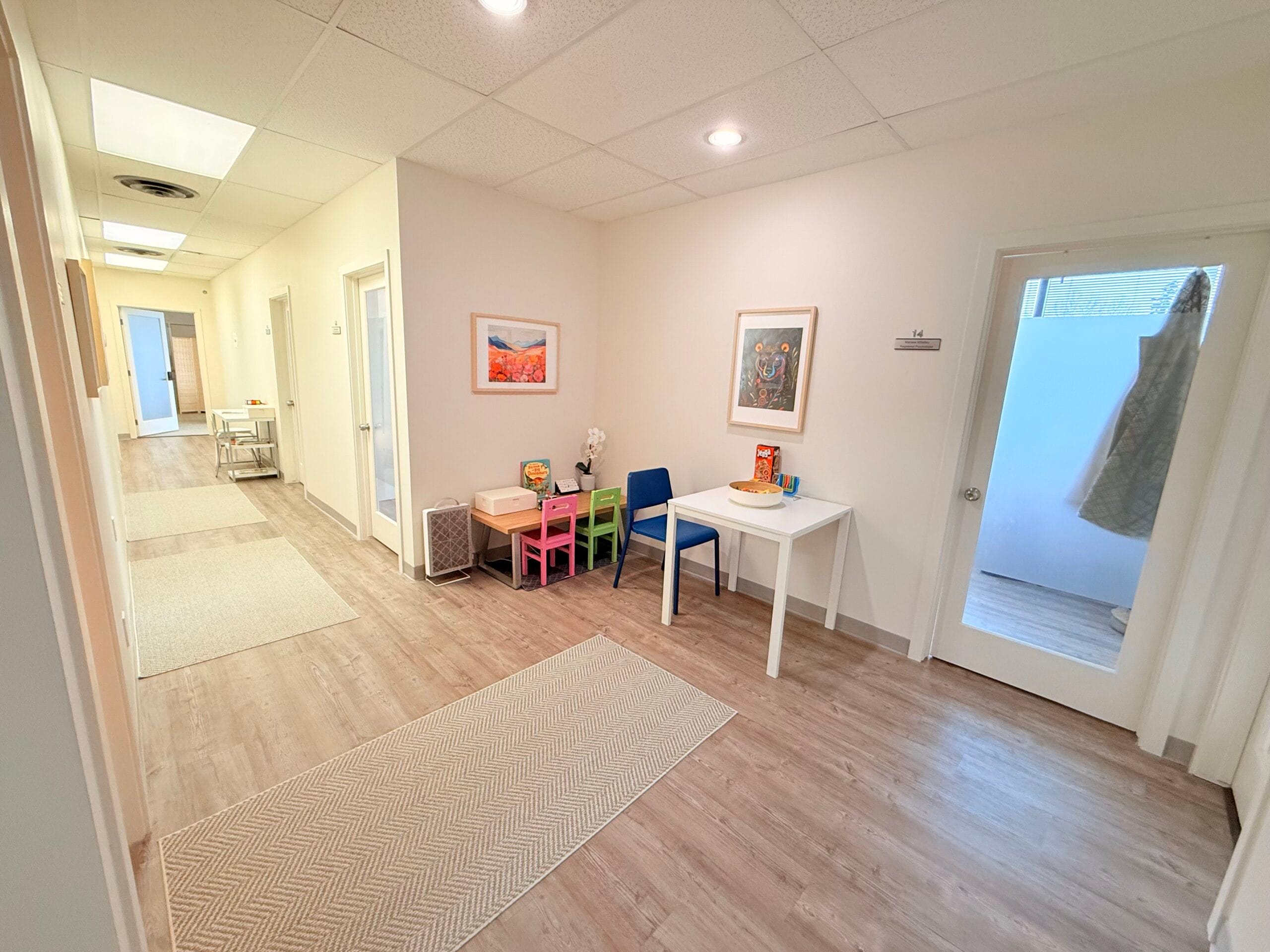
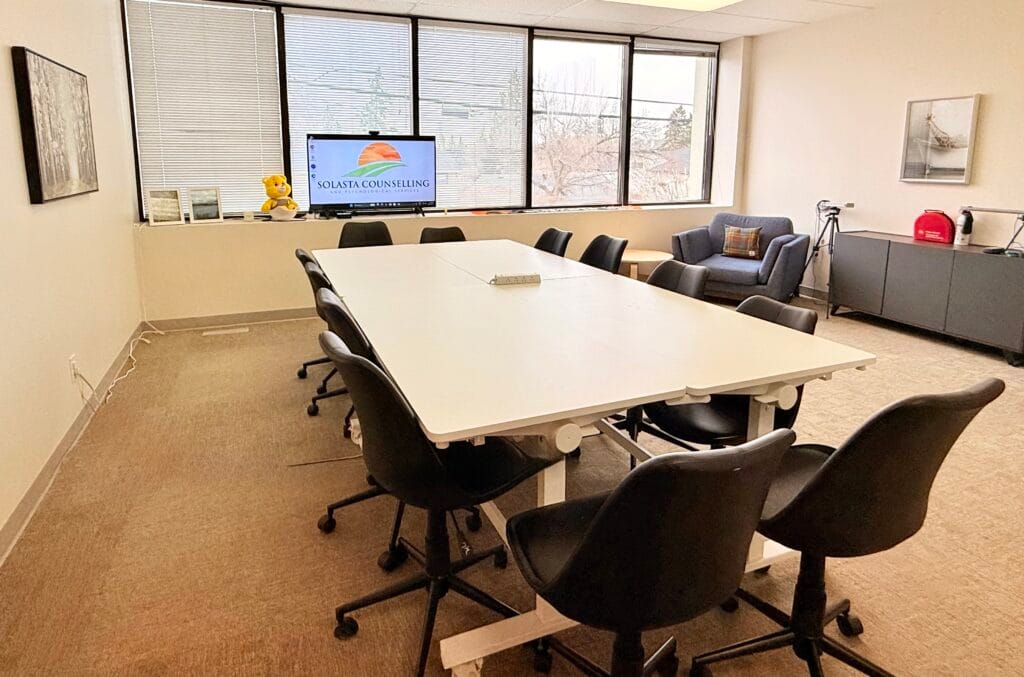
Our Calgary Office Space
Our thoughtfully designed counselling spaces are crafted to create a warm, welcoming environment where you can feel completely at ease.
Get Started With Solasta in Three Easy Steps
Find Your Therapist
Book Online
Choose a date and time that fits your schedule and receive instant confirmation of your appointment.
In-person or Online
Visit our welcoming Calgary office or meet with your therapist online from the comfort of your home.