
2SLGBTQIA+ Counselling in Calgary
Finding a therapist you can be fully yourself with matters — perhaps more in this context than any other. At Solasta, our therapists provide affirming, non-judgmental support for 2SLGBTQIA+ individuals, couples, and families. You don’t need to explain yourself, educate your therapist, or wonder whether you’ll be accepted here.
What Affirming Therapy Actually Means
Affirming therapy isn’t a special programme — it’s a stance. It means your therapist starts from the position that your identity is valid, that your experiences are real, and that the goal of therapy is your wellbeing — not adjustment to anyone else’s expectations.
In practice, it means you can talk about your relationships, your family, your body, your fears, and your history without having to manage your therapist’s reaction at the same time. That basic safety — which should be a given in any therapeutic relationship — is something 2SLGBTQIA+ clients have historically had to work hard to find. At Solasta, it’s the starting point.
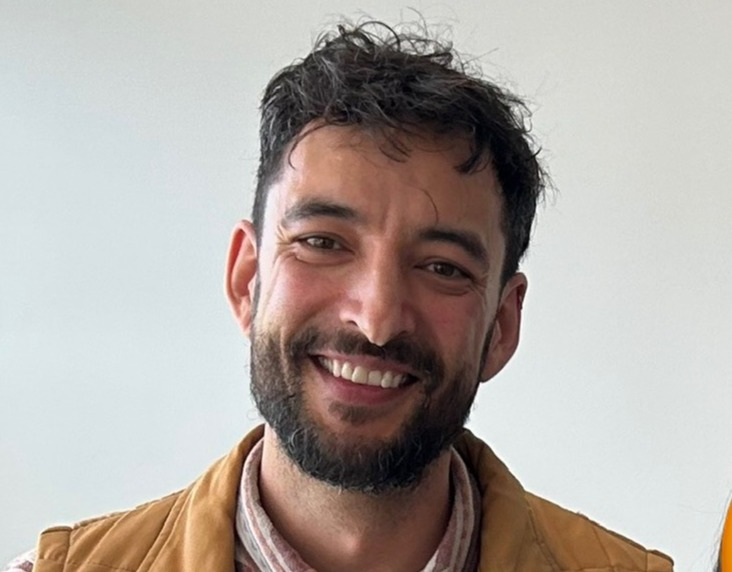
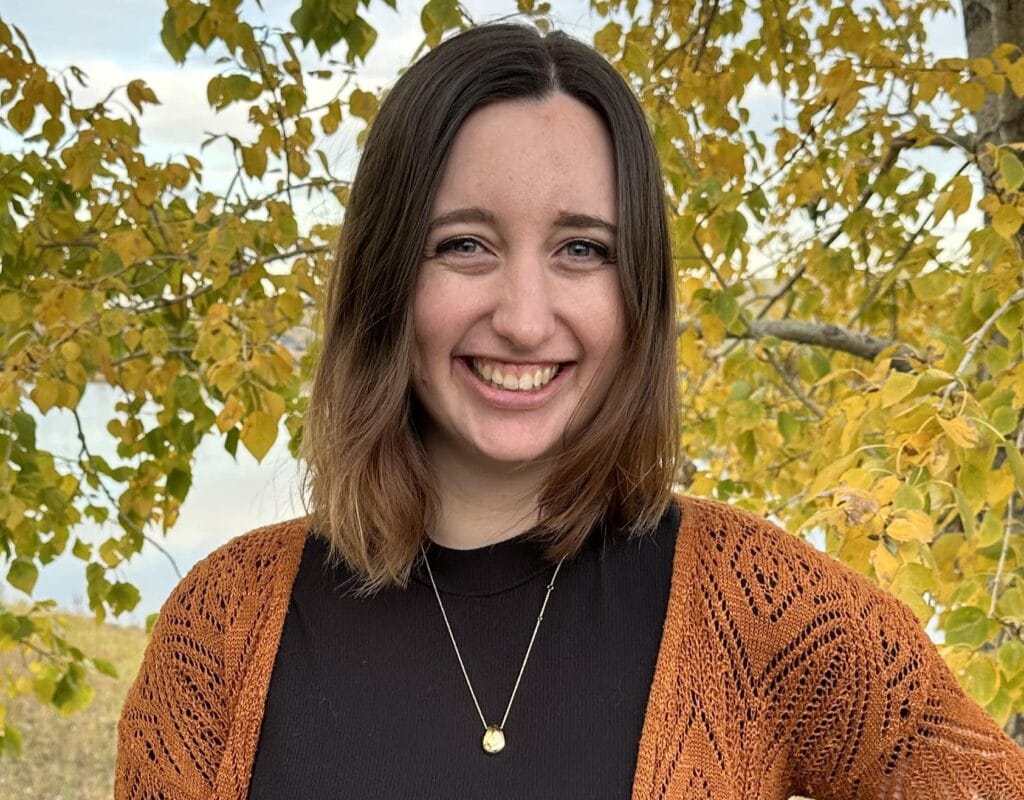
Therapists Specializing in 2SLGBTQIA+ Counselling in Calgary
Only
Only
Only
Only
What We Help With
The reasons 2SLGBTQIA+ people seek therapy are as varied as any other group — and often intersect with experiences that are specific to navigating identity in a world that doesn’t always make it easy.
Identity and self-acceptance
Exploring sexual orientation or gender identity — whether you’re early in that process or have known for years but carry wounds from how others have responded. Therapy offers space to understand yourself more fully without pressure or agenda.
Coming out
Whether you’re considering coming out to family, friends, colleagues, or a partner — or processing how a previous coming out went — the emotional complexity of this experience deserves real support. Therapy helps you prepare, process, and move forward.
Family rejection and estrangement
One of the most painful experiences in this community. Whether the rejection is recent or longstanding, the grief it produces is real and often complicated. Therapy helps you grieve what you needed and didn’t receive, and build a life and chosen family on your own terms.
Minority stress and discrimination
The cumulative weight of navigating a world that treats your identity as a problem — at work, in healthcare, in public spaces, in casual conversation — takes a genuine toll on mental health. Therapy helps you process that toll without having to minimise it.
Internalized shame
Many 2SLGBTQIA+ people absorb negative messages about themselves long before they have language for what they’re experiencing. Untangling internalized shame is often quiet, gradual work — and among the most meaningful therapy can do.
Gender identity and dysphoria
Exploring gender identity, navigating dysphoria, processing the experience of transition — social, medical, or both — and finding language and understanding for experiences that may have felt unspeakable. Our therapists approach gender with knowledge and care.
Relationships and intimacy
2SLGBTQIA+ relationships carry their own specific dynamics and challenges — alongside all the universal ones. Couples therapy, navigating polyamorous or non-traditional relationship structures, intimacy after trauma, or simply wanting a therapist who doesn’t require you to explain your relationship before you can get to the actual issue.
Trauma
Many 2SLGBTQIA+ people carry trauma connected to their identity — childhood bullying, family rejection, hate-motivated violence, or experiences in healthcare and religious settings. Our therapists are trained in trauma-informed approaches including EMDR, which can be particularly effective in processing identity-related trauma.
Anxiety, depression, and other mental health concerns
2SLGBTQIA+ individuals experience higher rates of anxiety, depression, and suicidality — not because of their identity, but because of what the world does with it. Therapy addresses both the symptoms and the context that produces them.
Our Approach
CBT (Cognitive Behavioural Therapy) helps identify and shift thought patterns shaped by internalized shame, anxiety, or depression. For many 2SLGBTQIA+ clients, CBT is particularly useful in challenging beliefs absorbed from family, religion, or culture that no longer serve them — and building thought patterns that align with their actual values and identity.
EMDR (Eye Movement Desensitization and Reprocessing) is especially effective for trauma connected to identity — discrimination, rejection, bullying, or violence. Where talk therapy can struggle to reach the emotional core of traumatic memories, EMDR works at a deeper level, reducing the ongoing impact of past experiences so they no longer define the present.
Affirmative therapy is less a specific modality and more a foundational stance — one that treats your identity as valid, your experiences as real, and your wellbeing as the goal. Every therapist at Solasta working with 2SLGBTQIA+ clients brings this orientation to every session, regardless of which other approaches they draw on.
Mindfulness and ACT (Acceptance and Commitment Therapy) offer practical tools for managing the chronic stress that comes with navigating a world that can be unaccepting. Mindfulness builds emotional regulation and self-compassion. ACT helps you move toward a life shaped by your own values rather than by fear of others’ responses.
Support for Trans and Non-Binary Clients
Finding a therapist who understands trans and non-binary experiences — without requiring you to educate them or justify your identity — is harder than it should be. At Solasta, our therapists approach gender with knowledge and genuine care.
Gender identity exploration — whether you’re early in questioning or have known for years, therapy offers space to explore without pressure to reach any particular conclusion or move at anyone else’s pace.
Gender dysphoria — the distress that comes from the mismatch between your gender identity and how your body, name, pronouns, or social role feel is real and significant. Therapy helps you navigate dysphoria and develop strategies for the harder moments.
Social transition — coming out across different areas of your life, managing relationships where people are at different stages of understanding, and processing the emotional weight of transition without having to be fine for everyone else at the same time.
Family and relationship impact — transition affects the people around you in ways that can be genuinely complicated. Therapy helps you hold the relational complexity alongside your own experience.
Trauma connected to gender identity — many trans and non-binary people carry trauma from childhood, family, school, or healthcare experiences connected to their gender. Our therapists are trained in trauma-informed approaches including EMDR, which can be particularly effective here.
A Note on Safety
We understand that choosing a therapist involves risk — particularly for 2SLGBTQIA+ individuals who have had experiences of being misunderstood, dismissed, or actively harmed by healthcare providers. We take that history seriously.
Our therapists don’t require you to educate them on basic terminology. They won’t pathologise your identity, suggest it needs to change, or treat it as the problem to be solved. If at any point therapy doesn’t feel safe or right, you can tell us and we will work to address it or help you find someone better suited to your needs.
CAP
All of our psychologists are registered with the College of Alberta Psychologist.
PAA
Many of our psychologists are members of the Psychology Association of Alberta.
CCPA
Many of our psychologists are members of the Canadian Counselling and Psychotherapy Association.
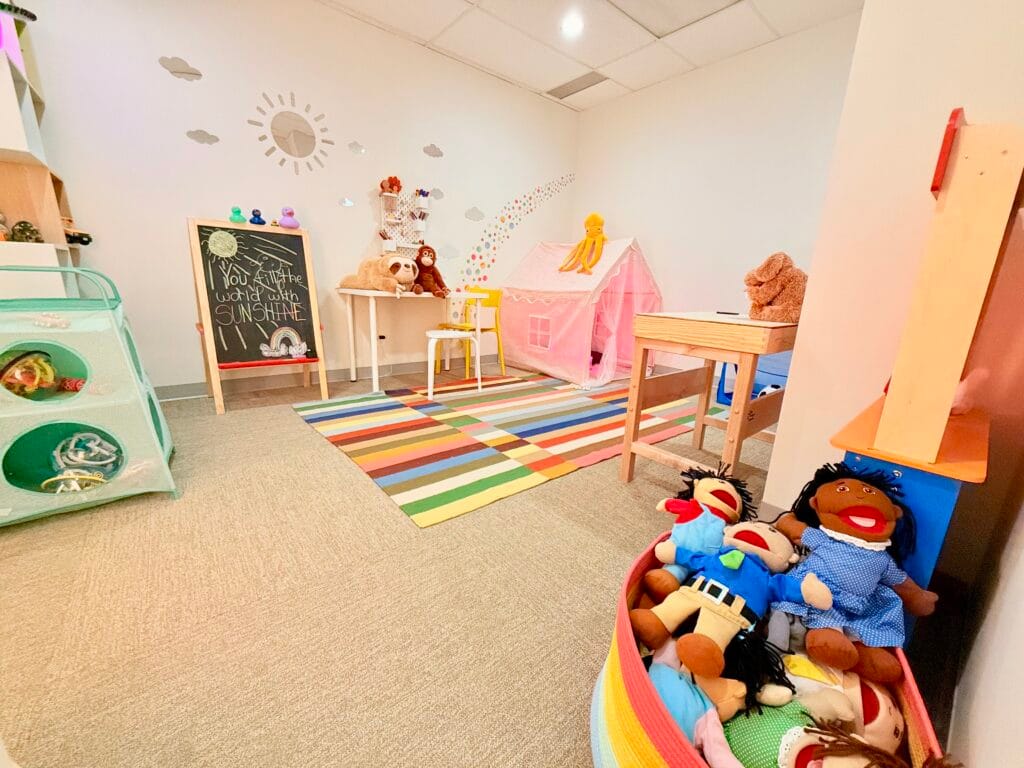
Our Calgary Office Space
Our thoughtfully designed counselling spaces are crafted to create a warm, welcoming environment where you can feel completely at ease.
Get Started With Solasta in Three Easy Steps
Find Your Therapist
Book Online
Choose a date and time that fits your schedule and receive instant confirmation of your appointment.
In-person or Online
Visit our welcoming Calgary office or meet with your therapist online from the comfort of your home.
FAQs
Do I need to disclose my identity when booking?
No. You’re welcome to share whatever feels relevant and comfortable. You won’t be asked to identify yourself in any particular way before or during therapy.
Do you offer couples therapy for same-sex or queer couples?
Yes. Our therapists work with couples across all relationship structures and orientations.
Can therapy help if I'm questioning my gender or sexuality and not sure what I feel?
Absolutely — uncertainty is one of the most common reasons people seek affirming therapy. You don’t need to have figured anything out before coming. Therapy is a place to explore, not to arrive with answers already formed.
Is this available online?
Yes — all four of our therapists specialising in 2SLGBTQIA+ support offer online sessions across Alberta.
How do I know your therapists are genuinely affirming and not just saying they are?
That’s a fair question and an important one. The therapists at Solasta who work with 2SLGBTQIA+ clients have sought out this work — it’s not incidental to their practice. We’d also encourage you to use your free consultation to get a feel for whether a particular therapist is the right fit. Trust your instincts. If it doesn’t feel right, tell us and we’ll help you find someone better suited.
Is therapy confidential?
Yes, all sessions at Solasta Counselling are confidential. We follow strict professional and legal guidelines to protect your privacy. The only exceptions involve safety concerns, such as risks of harm to yourself or others, which your therapist will explain during your initial session.