


Parenting Support in Calgary

Parenting is one of the most demanding things a person can do — and one of the least supported. The expectation that struggles are private and that asking for help means something has gone wrong stops a lot of parents from getting support they genuinely need.


At Solasta, parenting support is one of our strongest areas. Several of our clinicians are former teachers who bring real-world understanding of child development to their therapeutic work. All of our clinicians have additional training in adoption-informed parenting and developmental trauma. And our practice has deep roots in attachment-based family work — including Theraplay and Circle of Security — that address the relationship itself, not just the behaviour.

What to Expect in Parenting Support Therapy

Parenting support at Solasta doesn’t follow a fixed programme. It’s shaped by what you’re actually dealing with and what would genuinely help.

Sessions may involve one parent, both parents, the parent and child together, or the whole family — depending on what the work requires. Your therapist will typically begin by understanding the full picture: your child’s history, the family context, what you’ve already tried, and what a better outcome would actually look like for you. From there, the work might focus on specific strategies, on understanding your child’s behaviour differently, on the parent-child relationship directly, or on your own wellbeing as a parent — often some combination of all of these.

Parenting support works alongside family counselling and child and teen therapy — if your child would benefit from direct therapeutic support as well, we can coordinate that within the same practice.

Specializing in Parenting Support Therapy

What Brings Parents to Therapy

Parents come to Solasta for many different reasons. Some are dealing with a specific behavioural challenge that has escalated beyond what they can manage. Some are exhausted and running on empty and need support for themselves as much as anything else. Some are navigating a significant family transition. Some have a child with a complex history — adoption, trauma, neurodevelopmental differences — and need a therapist who actually understands what that means in practice.

Common reasons parents seek support include:

Behaviour that feels unmanageable

Defiance, aggression, emotional dysregulation, meltdowns, school refusal, or behaviour that doesn’t respond to the approaches that work for other children. When standard parenting advice isn’t working, it’s often because there’s something underneath the behaviour that needs to be understood rather than managed.

Parenting stress and burnout

The cumulative weight of parenting that leaves you depleted, short-tempered, disconnected from your child, and struggling to find any enjoyment in the relationship. This is more common than parents admit and very treatable with the right support.

Attachment and connection difficulties

Children who are hard to reach emotionally, who don’t seem to respond to warmth, who push parents away, or where the relationship feels stuck or flat. This is particularly common in adoptive and foster families and in families where early separation or trauma has disrupted the attachment relationship. Our therapists are trained in approaches specifically designed to address this — including Theraplay and Circle of Security.

Co-parenting after separation

Managing the complexity of raising children across two households, navigating disagreements about parenting approaches, and putting children’s needs first when the adult relationship is strained or conflictual.

Blended family dynamics

Building relationships with stepchildren, managing loyalty conflicts, finding a role that works when you’re a step-parent, and helping children adjust to a new family structure.

Parenting children with developmental trauma

Children who experienced early neglect, abuse, or loss carry that history in their nervous systems. Their behaviour makes complete sense in light of what they’ve been through, but it can be genuinely difficult to live with and requires a different parenting approach than standard strategies provide. All of our clinicians have additional training in developmental trauma and adoption-informed care. You can read more on our adoption and fostering support page.

Supporting a child with anxiety, ADHD, or other mental health challenges

Understanding what your child is experiencing, learning how to respond in ways that help rather than escalate, and getting support for your own wellbeing alongside your child’s. Our team works across child and teen counselling and parenting support, so you don’t need to navigate two separate services.

Major transitions

New siblings, school changes, moves, bereavement, parental separation, or any significant shift in the family that is affecting your child or the family system as a whole.

Comprehensive Support Throughout Therapy

We are committed to supporting you throughout your parenting journey. Expect a safe, nurturing space where you can grow and succeed as a parent.

What Makes Solasta's Approach Different

Parenting therapy equips parents with effective strategies to improve communication and manage challenging behaviours.

counselling and assessments in calgary

Former teachers on our team

David Tamagi, Jocelyn Simpson, and Souhad Al Shorafa all come from teaching backgrounds before training as therapists. That experience — understanding how children behave in groups, what different developmental stages look like in practice, how to read a child’s behaviour in context — shapes their clinical work in ways that pure academic training doesn’t. For parents dealing with school-related concerns or trying to understand why strategies that work in other settings aren’t working at home, this perspective is genuinely valuable.

Training in developmental trauma and adoption-informed care

All of our clinicians have additional training in adoption-informed parenting and developmental trauma — not just the clinicians who specialise in adoption work. This means whichever therapist you work with at Solasta understands the difference between behaviour that reflects willful defiance and behaviour that reflects a dysregulated nervous system responding to early experiences. That distinction changes everything about how you respond as a parent.

Jocelyn Simpson’s specialist attachment training

Jocelyn holds specialist training in parent-child attachment therapy — one of the few clinicians in Calgary with this specific focus. If your concern centres on attachment, connection, or a child who has experienced significant early disruption, Jocelyn is particularly well-placed to help.

Theraplay and Circle of Security

Some of our therapists incorporate Theraplay and Circle of Security into their parenting work. Both approaches are attachment-focused — they work on the relationship between parent and child rather than just providing strategies for managing behaviour. Theraplay uses guided play and interaction to build attunement, trust, and connection. Circle of Security helps parents understand their child’s attachment needs and respond in ways that build felt safety. These approaches are particularly valuable when the challenge isn’t primarily about behaviour but about connection.

Josephine Enechukwu’s 25+ years of family experience

Josephine brings over two decades of experience working with children, families, and individuals across a range of settings. That depth of experience with complex family dynamics is a significant resource for parents navigating challenging situations.

Souhad Al Shorafa’s background working with children

Souhad brings years of experience working directly with children before training as a therapist — including a teaching background that gives her a practical, grounded understanding of how children think, behave, and develop across different stages. That experience translates directly into her clinical work with parents navigating behavioural and emotional challenges in their children.

What to Expect in Parenting Support Therapy

Parenting therapy can offer valuable support for families facing common challenges. Whether you’re feeling overwhelmed or dealing with behavioural issues, therapy provides tools to navigate these situations. 

Parenting support at Solasta doesn’t follow a fixed programme. It’s shaped by what you’re actually dealing with and what would genuinely help.

Sessions may involve one parent, both parents, the parent and child together, or the whole family — depending on what the work requires. Your therapist will typically begin by understanding the full picture: your child’s history, the family context, what you’ve already tried, and what a better outcome would actually look like for you.

From there, the work might focus on specific strategies, on understanding your child’s behaviour differently, on the parent-child relationship directly, or on your own wellbeing as a parent — often some combination of all of these.

Parenting support works alongside family counselling and child and teen therapy — if your child would benefit from direct therapeutic support as well, we can coordinate that within the same practice.

Take the First Step

If parenting feels harder than you think it should — or harder than you can sustain — that’s enough of a reason to reach out. A free consultation costs nothing and commits you to nothing.

CAP

All of our psychologists are registered with the College of Alberta Psychologist.

PAA

Many of our psychologists are members of the Psychology Association of Alberta.

CCPA

Many of our psychologists are members of the Canadian Counselling and Psychotherapy Association.

Our Calgary Office Space

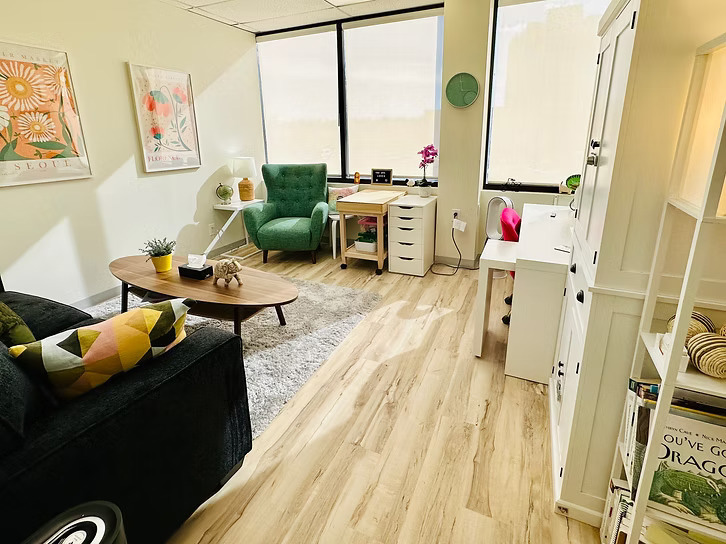
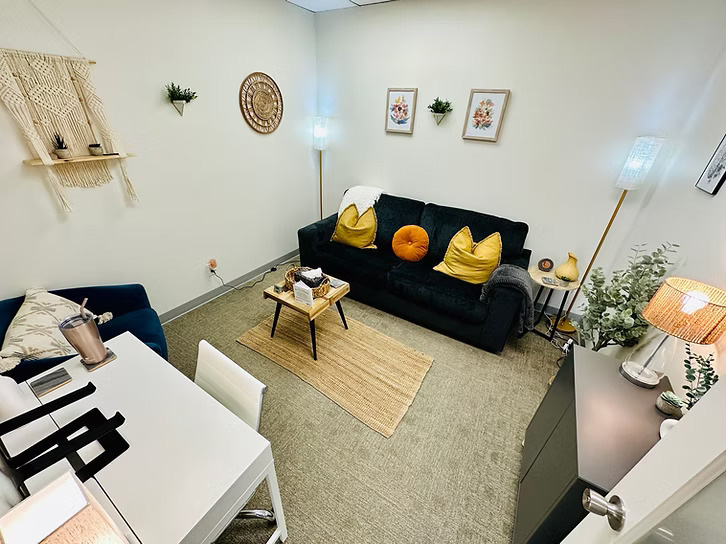
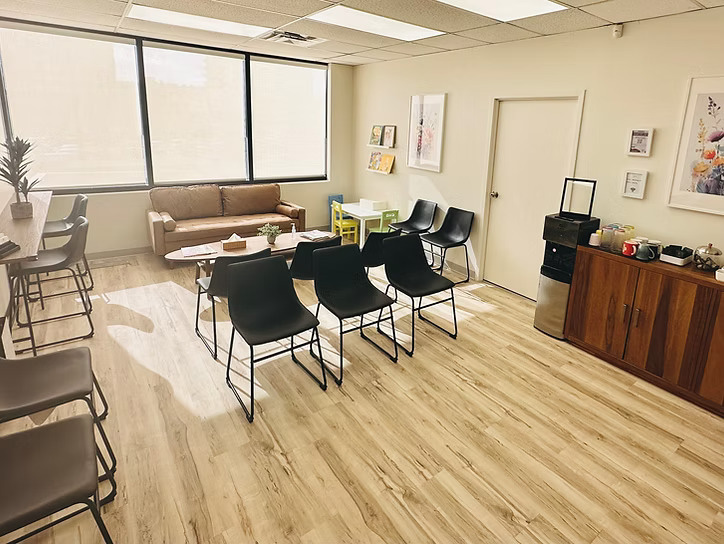
Our thoughtfully designed counselling spaces are crafted to create a warm, welcoming environment where you can feel completely at ease.

Get Started With Solasta in Three Easy Steps

1

Find Your Therapist

2

Book Online

Choose a date and time that fits your schedule and receive instant confirmation of your appointment.

3

In-person or Online

Visit our welcoming Calgary office or meet with your therapist online from the comfort of your home.

FAQs

No — and this framing is worth challenging directly. Parents who seek support are typically more committed to their children’s wellbeing, not less. The challenges that bring parents to therapy are often genuinely difficult — a child with complex needs, a family navigating real adversity, or a situation where the usual advice simply doesn’t apply. Asking for help is a sign of taking parenting seriously, not of failing at it.

Because the most effective place to create change is often in the parent-child relationship rather than in the child in isolation. Children’s behaviour exists in a relational context. When parents understand what’s driving the behaviour and change how they respond to it, children often shift significantly — sometimes without direct therapeutic work with the child at all. In many cases we work with both, but starting with parenting support is frequently the most efficient route.

That’s one of the most common things parenting support addresses. Inconsistency between parents is often more disruptive to children than either approach in isolation. Therapy helps couples understand each other’s instincts, find approaches they can both commit to, and manage the conflict that differences in parenting style can generate — without that conflict playing out in front of the children.

Yes. Our team has experience working with parents of neurodivergent children and children with mental health diagnoses. Understanding how a diagnosis affects your child’s experience and behaviour, and adjusting your parenting approach accordingly, is a significant part of what parenting support involves. We also offer psychological assessments if your child hasn’t yet been assessed and you’re wondering whether a formal evaluation would be helpful.

Yes — this is an area of genuine depth at Solasta. All of our clinicians have additional training in adoption-informed care and developmental trauma. Scott McKirdy and Dr. Gillian McKirdy are adoptive parents themselves, with published research on adoptive family experiences in Alberta. You can read more on our adoption and fostering support page.

Parenting support focuses primarily on the parent — their understanding, their strategies, their wellbeing, and their relationship with their child. Family therapy typically involves the family system as a whole, with multiple members in the room working on shared dynamics. In practice the two often overlap and your therapist will help you figure out which format — or combination — is most likely to help.