






Narrative Therapy Calgary

Most of us are carrying a story about ourselves that we didn’t choose and never agreed to — “I’m not good enough,” “I always mess this up,” “This is just who I am.” Narrative Therapy starts from a different premise: you are not the problem, the problem is the problem — and gives you a genuine way to separate the two and rewrite what comes next. At Solasta, our registered psychologists and registered provisional psychologists use Narrative Therapy to help individuals, couples, and families do exactly that.

narrative therapy calgary

What is Narrative Therapy?

Narrative Therapy, developed by therapists Michael White and David Epston and taught today through centres like the Dulwich Centre, is built on a simple but powerful idea: the problem is the problem, not the person. Challenges like anxiety, depression, trauma, or relationship conflict are often shaped by the stories we’ve come to tell about ourselves — and those stories can be re-examined and rewritten.

Rather than treating a struggle as an internal flaw, Narrative Therapy treats it as something external that can be understood, named, and changed. This shift — seeing yourself as separate from the problem rather than defined by it — tends to reduce shame and self-blame and opens up room to see the fuller picture of who you are.

The goal is to help you re-author your life story in a way that’s aligned with your actual values and where you want to go, not just the version shaped by past setbacks or other people’s expectations of you.

How Narrative Therapy Works

Narrative Therapy is collaborative — your therapist works with you to explore your story through open-ended questions and guided reflection, rather than directing or diagnosing. The process typically moves through several stages.

Externalizing the Problem

Instead of “I am anxious,” Narrative Therapy might reframe this as “anxiety visits me” — a subtle shift that creates distance and reduces the sense that the problem is an unchangeable part of who you are.

Identifying Dominant Narratives

Many people carry a limiting story about themselves — “I’m not good enough,” “I always fail” — built from past experience or others’ expectations. Naming this story is the first step to loosening its grip.

Creating a Preferred Future

Once the new story takes shape, you and your therapist build a concrete sense of where it leads — turning the re-authored narrative into an actual direction, not just a reframe.

Exploring Exceptions

Your therapist helps you notice the moments when the dominant story didn’t hold — times you succeeded, felt confident, or acted in line with your values despite the problem. These exceptions are evidence that you’re more than your struggles.

Re-Authoring the Story

This is the heart of the work: rewriting your narrative around your actual strengths and values, rather than around past failures or difficulty.

Who Can Benefit from Narrative Therapy

This approach is particularly beneficial for those dealing with trauma, low self-esteem, anxiety, or identity concerns.

narrative therapy calgary

Identity Concerns

If you feel lost or disconnected from your sense of self, Narrative Therapy helps you explore and redefine who you are on your own terms.

Anxiety or Depression

When negative thought patterns have become the dominant story, re-authoring that narrative can meaningfully shift how anxiety or depression show up day to day.

Major Life Transitions

Career changes, divorce, or loss can leave you without a clear story for what comes next — Narrative Therapy helps you find meaning and direction in the middle of that uncertainty.

Trauma

Therapy offers a way to externalize and reframe a traumatic experience rather than carrying it as a defining part of your identity — often used alongside more direct trauma-processing approaches.

Couples and Families

Looking at relationship conflict from a more externalized, neutral perspective can help couples and families see the dynamic at play more clearly, rather than getting stuck blaming each other.

What to Expect in Narrative Therapy at Solasta

Your first session focuses on understanding your history, your current challenges, and what you’re hoping therapy will help with — from there, you and your therapist begin identifying the dominant narratives shaping your life together.


Session frequency depends on your goals: many clients start weekly to build momentum, while others prefer a bi-weekly pace. Most people notice a shift in perspective within the first several sessions, though the full re-authoring process is ongoing rather than a single breakthrough.

narrative therapy calgary
Solasta Counselling Calgary - therapy and psychological services

Why Choose Solasta for Narrative Therapy in Calgary?

Narrative Therapy at Solasta isn’t a single generic offering — it’s practiced differently by the four clinicians who genuinely draw on it, each integrating it with their own areas of depth. Jocelyn Simpson works from a biopsychosocial lens, using narrative therapy alongside EMDR and attachment-based work. Josephine Enechukwu combines it with emotionally focused therapy, solution-focused therapy, and CBT as part of an integrative, trauma-informed practice. Cheryl Jejina integrates narrative approaches with somatic, IFS-informed, and attachment-based therapy. Souhad Al Shorafa draws on it alongside CBT and solution-focused therapy with a culturally responsive lens for clients navigating identity across cultures.


That range means Narrative Therapy at Solasta can be matched to what you’re actually working through — whether that’s trauma, identity, family dynamics, or cultural experience — rather than applied as a one-size-fits-all technique.

Calgary Counselling and Psychology Services

Our Calgary psychologists have a wide range of experience and expertise in understanding the unique needs of our clients and helping you reach your therapy goals.

CAP

All of our psychologists are registered with the College of Alberta Psychologists.

PAA

Many of our psychologists are members of the Psychologists’ Association of Alberta.

CCPA

Many of our psychologists are members of the Canadian Counselling and Psychotherapy Association.

Therapists Specializing in Narrative Therapy

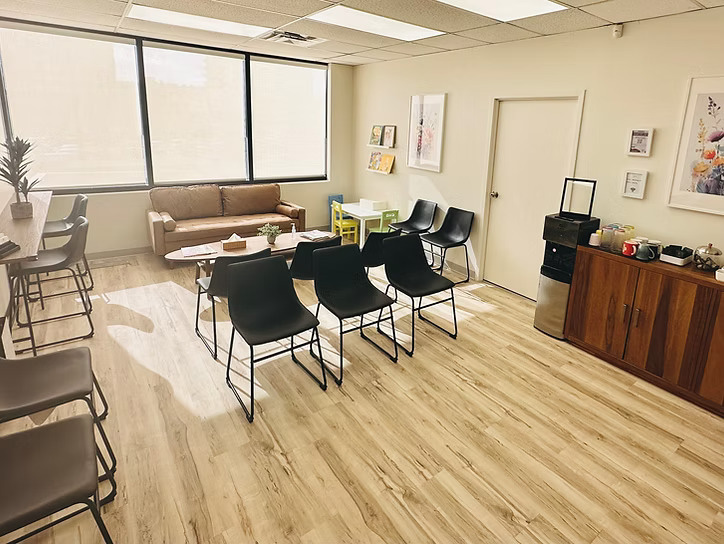
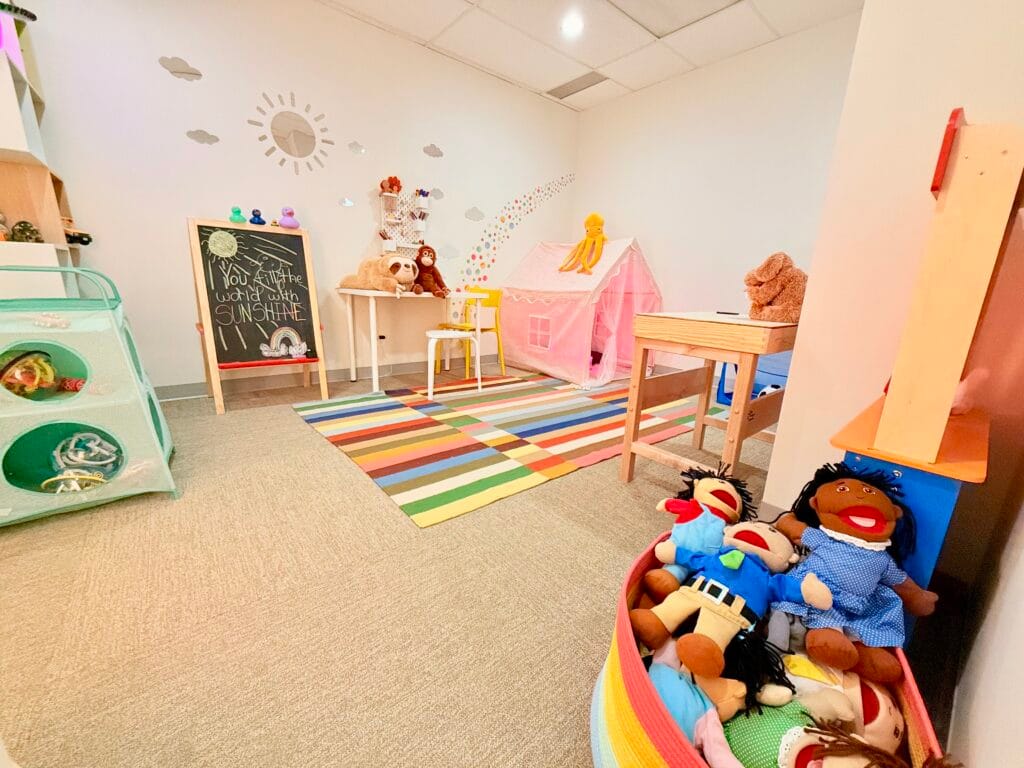
Our Calgary Office Space

Our thoughtfully designed counselling spaces are crafted to create a warm, welcoming environment where you can feel completely at ease.

Get Started With Solasta in Three Easy Steps

1

Find Your Therapist

2

Book Online

Choose a date and time that fits your schedule and receive instant confirmation of your appointment.

3

In-person or Online

Visit our welcoming Calgary office or meet with your therapist online from the comfort of your home.

FAQs

Most therapy models focus on changing thoughts or behaviours directly. Narrative Therapy works by first separating you from the problem itself, then helping you rewrite the story you tell about who you are — often making room for change that feels less like “fixing yourself” and more like reclaiming your own narrative.

No. It’s just as useful for identity concerns, life transitions, relationship conflict, or simply feeling stuck in a limiting story about yourself, as it is for processing traumatic experience.

Yes — by identifying and re-authoring the negative narratives that often reinforce anxious or depressive thinking, clients frequently see a real shift in how persistent those patterns feel day to day.

Yes. Looking at relationship conflict as an external, shared problem rather than something one person is “doing wrong” often helps couples and families move out of blame and into a clearer understanding of the pattern itself.

Sessions with a Registered Psychologist are covered by most extended health benefit plans. Solasta offers direct billing to 30+ insurers. Visit our fees page to confirm coverage and see typical session rates.

Yes — available online across Alberta, as well as in person at our Calgary office.