





Child Autism Assessment in Calgary
If you’re wondering whether your child might be autistic, getting a clear answer from someone who takes your concerns seriously can change everything.
At Solasta, our registered psychologists conduct comprehensive child autism assessments using the ADOS-2, ADI-R, and MIGDAS-2. Our reports are detailed and practical — written to support school accommodations and, where applicable, FSCD applications.
No referral required. Most families book within a few weeks.
Signs That May Prompt You to Consider an Assessment
Every child is different, and autism presents in a wide range of ways — which is part of why it’s so often missed or misunderstood, particularly in girls. You might consider an assessment if your child:
Has difficulty making or keeping eye contact
Many autistic children find direct eye contact uncomfortable or overwhelming. This isn’t defiance or shyness — it often reflects a difference in how the brain processes social information. Some children learn to compensate over time, which can make this sign less obvious as they get older.
Struggles to understand social cues, facial expressions, or tone of voice
Reading between the lines in conversation can be genuinely difficult for autistic children. They may take language very literally, miss sarcasm or humour, or not understand why a peer is upset without it being explained directly. This can lead to social misunderstandings that leave children feeling confused or excluded.
Relies heavily on routines and becomes distressed when they change
Predictability can feel essential for autistic children. Changes in schedule, unexpected events, or transitions between activities can cause significant anxiety or emotional distress — not as a behavioural choice, but as a genuine response to uncertainty. Consistent routines often help these children feel safe and regulated.
Finds it hard to play cooperatively or form friendships with peers
Autistic children often want connection but find the unwritten rules of social interaction hard to navigate. Group play, turn-taking, and understanding what peers expect socially can all be challenging. Some children prefer to play alongside others rather than with them, or gravitate toward adults or much younger children.
Has delayed speech, limited language, or uses repetitive phrases
Some autistic children develop language later than expected, while others develop speech typically but use it differently — repeating phrases from TV shows or books, for example, or scripting conversations. Others may be very verbal but struggle to use language in a back-and-forth social way.
Shows intense focus on specific topics or activities
Many autistic children develop deep, passionate interests in particular subjects — trains, animals, space, a specific game or character. This focus can be a genuine strength and a source of joy, but it can also make it hard to shift attention or engage with topics outside their area of interest.
Has sensory sensitivities to sound, light, touch, or textures
Autistic children may experience sensory input more intensely than their peers. Loud environments, certain clothing fabrics, bright lights, or specific food textures can feel genuinely distressing rather than merely uncomfortable. Some children are under-sensitive rather than over-sensitive, seeking out intense sensory experiences to feel regulated.
These signs look different in every child. In girls particularly, autism is frequently masked, missed, or attributed to anxiety or shyness. An assessment isn’t about confirming a deficit — it’s about building a clearer, more complete picture of how your child experiences the world.
What a Diagnosis Can Open Up
This is one of the most important things to understand before pursuing an assessment: a formal autism diagnosis from a registered psychologist is not just a label. In Alberta, it is the gateway to meaningful, funded support.
School Accommodations and IEPs
A Solasta assessment report provides the clinical documentation schools require to put formal accommodations in place — extra time, reduced sensory load, modified assignments, educational assistant support, and Individualised Education Plans (IEPs). Without a formal report, schools are often limited in what they can do even when they want to help.
Understanding and Self-Advocacy
For your child, understanding their own brain — at an age-appropriate level — can be profoundly positive. Many autistic children who receive a diagnosis describe it as a relief: a framework that helps them make sense of experiences that previously felt inexplicable or shameful.
Access to Therapy and Other Services
Many therapy services — including speech-language pathology, occupational therapy, and ABA — prioritise or require a formal diagnosis. A diagnosis also means your child’s challenges are recognised and named, which changes how adults around them respond.
FSCD — Functional Support for Children with Disabilities
FSCD is an Alberta government program that provides funding for children with disabilities and their families. A formal autism diagnosis and accompanying psychological report may support an FSCD application — eligibility depends on your child’s specific profile and needs. For many families, this funding is significant, and our reports are written with the documentation requirements in mind.
Open the Doors to Support
An autism diagnosis is not a label; it’s a pathway to empowering your child and helping them thrive by tailoring support to their unique strengths and challenges.
The Assessment Process at Solasta
Our child autism assessments are comprehensive, unhurried, and conducted entirely by registered psychologists. The process typically unfolds across several appointments:
Step 1 — Free Consultation
Before anything else, we offer a free 15-minute consultation to discuss your concerns, answer your questions, and help you decide whether an assessment is the right next step. There is no obligation and no referral needed.
Step 2 — Parent Intake and Developmental History
The assessment begins with a detailed parent interview — often the Autism Diagnostic Interview-Revised (ADI-R) — which explores your child’s development from early childhood, including communication, social behaviour, and patterns of interest. This is also where we gather medical history, school information, and the specific concerns that brought you to us.
This appointment is with the parents or caregivers only. It typically takes 2 to 3 hours.
Step 3 — Direct Assessment of Your Child
We assess your child directly using the Autism Diagnostic Observation Schedule, Second Edition (ADOS-2) — the most widely used and validated observational tool for autism diagnosis. For younger children or those with sensory profiles, we may also use the MIGDAS-2, a sensory-based assessment that is particularly well-suited to children who find the structured format of the ADOS-2 difficult.
Your child will not know they are being assessed for autism — the session is designed to feel like an extended play or activity session, and our psychologists are experienced in making children feel at ease.
Depending on your child’s age and presentation, this may take place across one or two appointments.
Step 4 — Feedback Session
Once the assessment is complete, we meet with parents to walk through the findings clearly and in plain language. We explain what the results mean, what they don’t mean, and what we recommend — including therapy, school accommodations, community resources, and FSCD applications where relevant.
Step 5 — Written Report
You receive a comprehensive written report that documents the assessment findings, diagnostic conclusions, and specific, practical recommendations. This report is written to be understood — not just by clinicians, but by teachers, support workers, and the agencies and programs your family may apply to.
Reports are typically delivered within 3–4 weeks of the assessment being completed.
How Young Can a Child Be Assessed?
Children can be assessed as early as toddlerhood — typically from around 18–24 months. Early identification is genuinely valuable: the earlier appropriate supports are put in place, the better the long-term developmental outcomes.
That said, assessments can be completed at any age. Many children are assessed in primary school years when differences become more apparent in a structured social environment. Some children are assessed in adolescence when the demands of navigating complex social relationships increase significantly.
If your child is under five, please mention this when booking so we can discuss the most appropriate tools and approach for their age and developmental stage.
What Makes Solasta's Child Autism Assessments Different
Gold-Standard Tools Including MIGDAS-2
Most assessment practices use the ADOS-2 and ADI-R. Solasta additionally uses the MIGDAS-2 — a sensory-based assessment protocol particularly well-suited to children who may not respond well to more structured formats, including young children and those with significant sensory sensitivities. It complements the ADOS-2 and is used selectively where clinically appropriate.
Expertise in Autism in Girls and Women
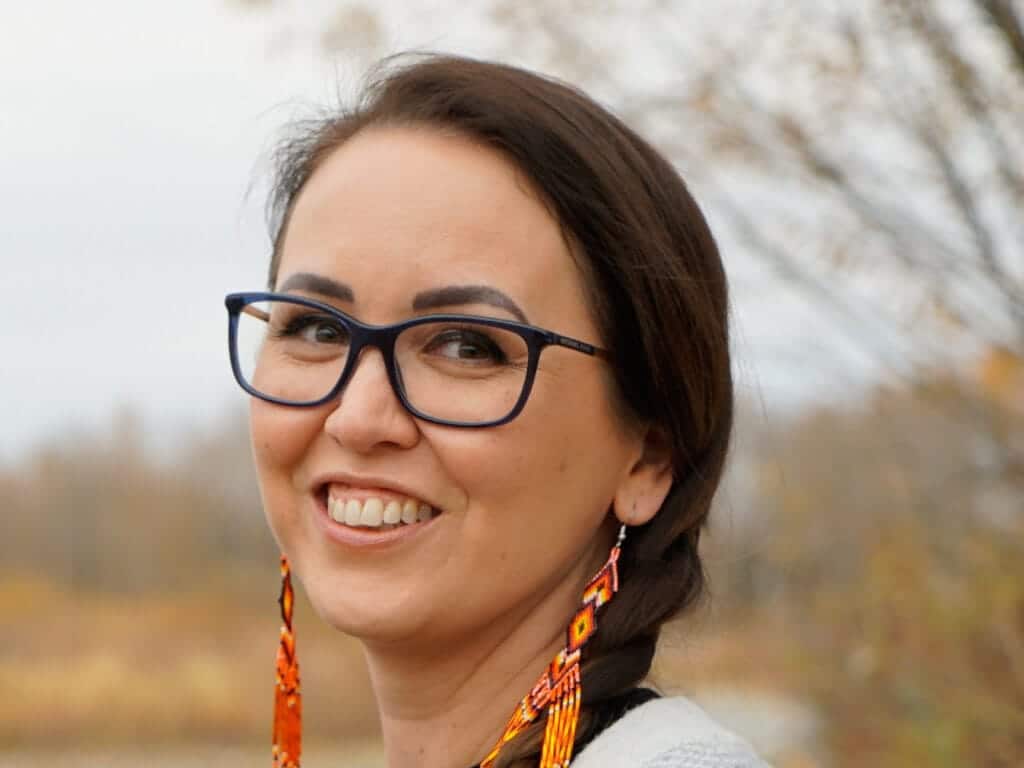
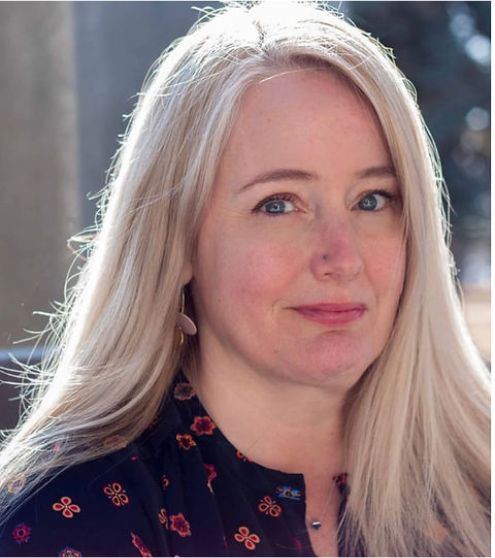
Autism presents differently in girls than in the populations on which the original diagnostic criteria were based. Our psychologists — particularly Scott McKirdy and Dr. Gillian McKirdy, who have completed additional training in the assessment of autistic women and girls — approach every assessment with awareness of how autistic traits can be masked, internalised, or expressed differently depending on gender. If you are concerned that your daughter may be autistic but her presentation doesn’t match the stereotypical description, we are well-placed to help.
Continuity of Care
If your child receives a diagnosis and you want to move into therapeutic support — whether that’s individual counselling, family therapy, or parenting support — you can access that at Solasta without starting over with a new provider. Our clinical team includes therapists experienced in working with autistic children and their families.
Who Conducts Child Autism Assessments at Solasta?
All child autism assessments at Solasta are conducted by registered psychologists and registered provisional psychologists with specific training in autism spectrum disorder diagnosis. Our team uses the ADOS-2 and ADI-R as standard components of every assessment.
Expertise in Neurodiversity
Our team specializes in autism and related challenges, offering tailored approaches for each child.
Family-Centered Approach
We work closely with parents to ensure the best outcomes for your child.
Comprehensive Services
Beyond diagnosis, we provide therapy and resources to support your child’s growth.
After the Assessment — What Next?
A diagnosis is a beginning, not an end. After your child’s assessment at Solasta, the next steps might include:
- School accommodation requests — your child’s teacher and school psychologist can use the report to put formal supports in place
- Individual therapy — for your child, to support emotional regulation, social skills, or co-occurring anxiety or depression
- Family support and parenting consultation — understanding your child’s autism and how to support them effectively at home
- Referrals — to speech-language pathology, occupational therapy, or other services as recommended
We understand that the assessment is often just the beginning of a longer journey. We are glad to support your family beyond the report itself.
CAP
All of our psychologists are registered with the College of Alberta Psychologist.
PAA
Many of our psychologists are members of the Psychology Association of Alberta.
CCPA
Many of our psychologists are members of the Canadian Counselling and Psychotherapy Association.
Psychologists Offering Child Autism Assessments
Only
Only
Only
Only
Only
Only
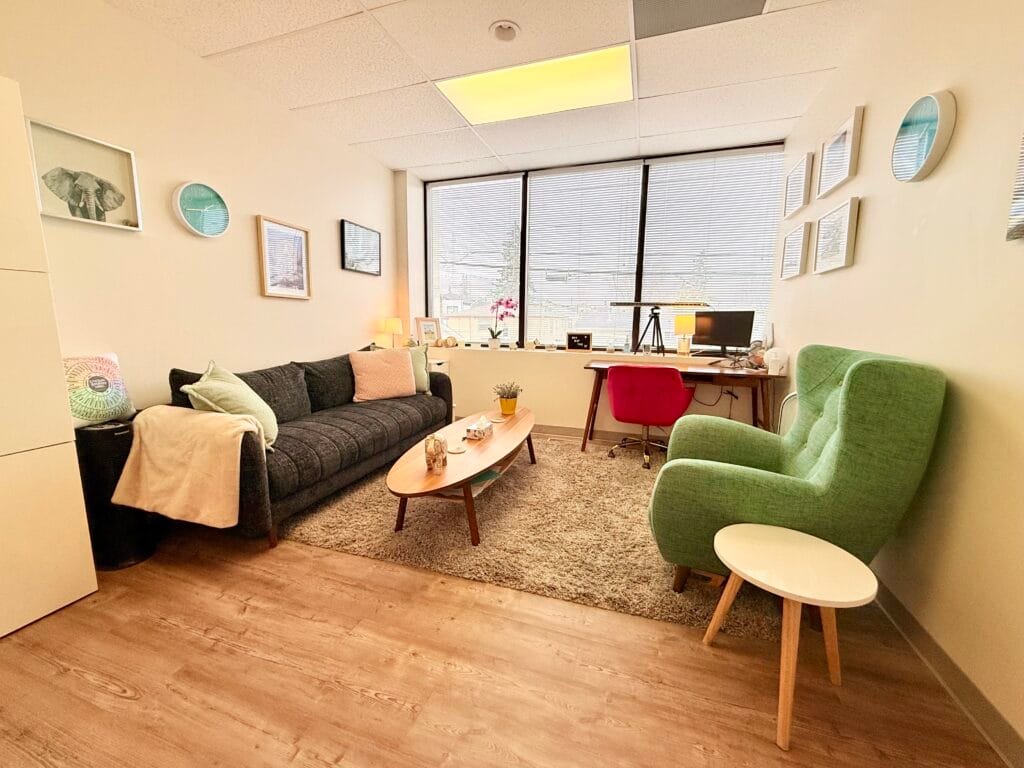
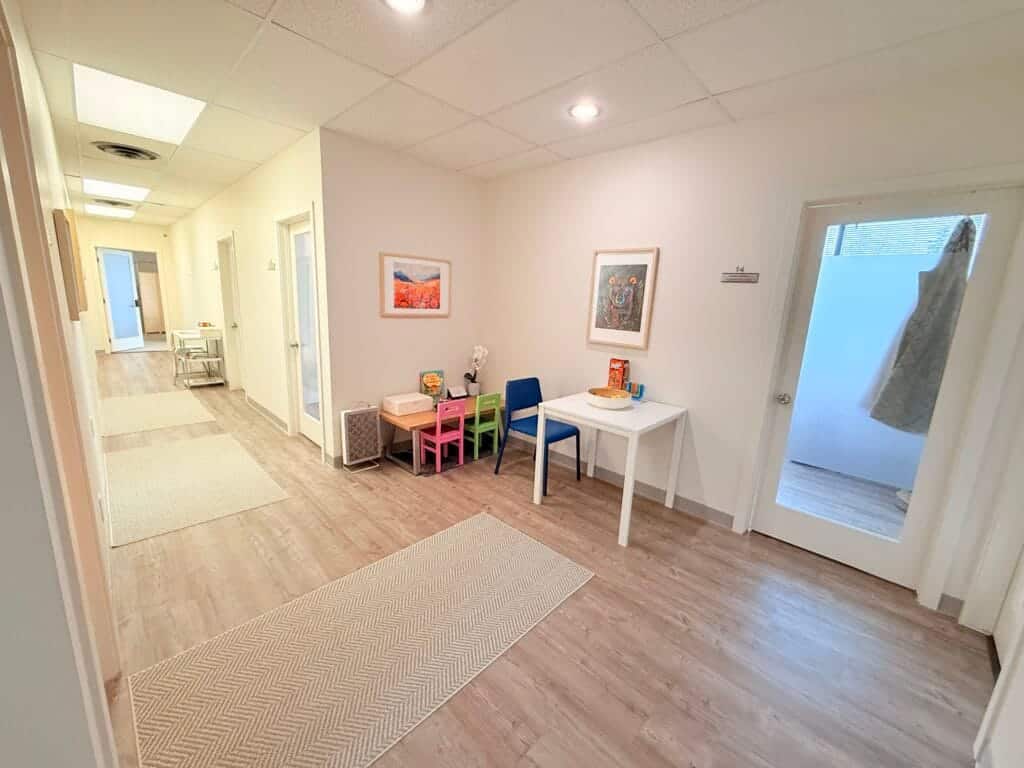
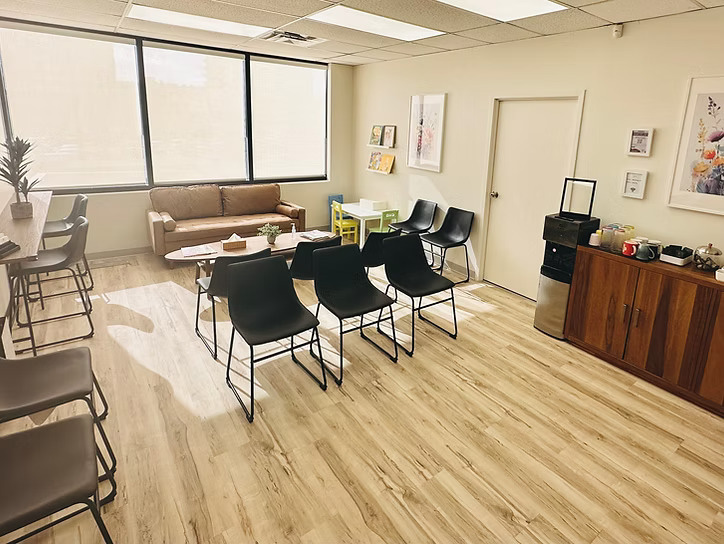
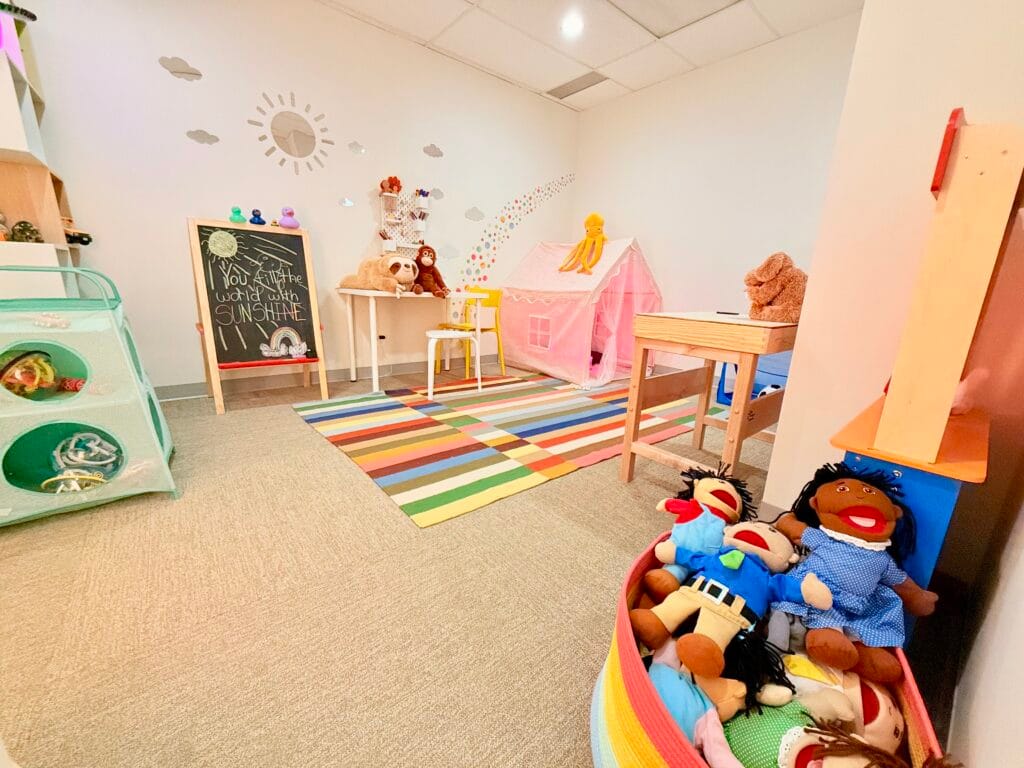
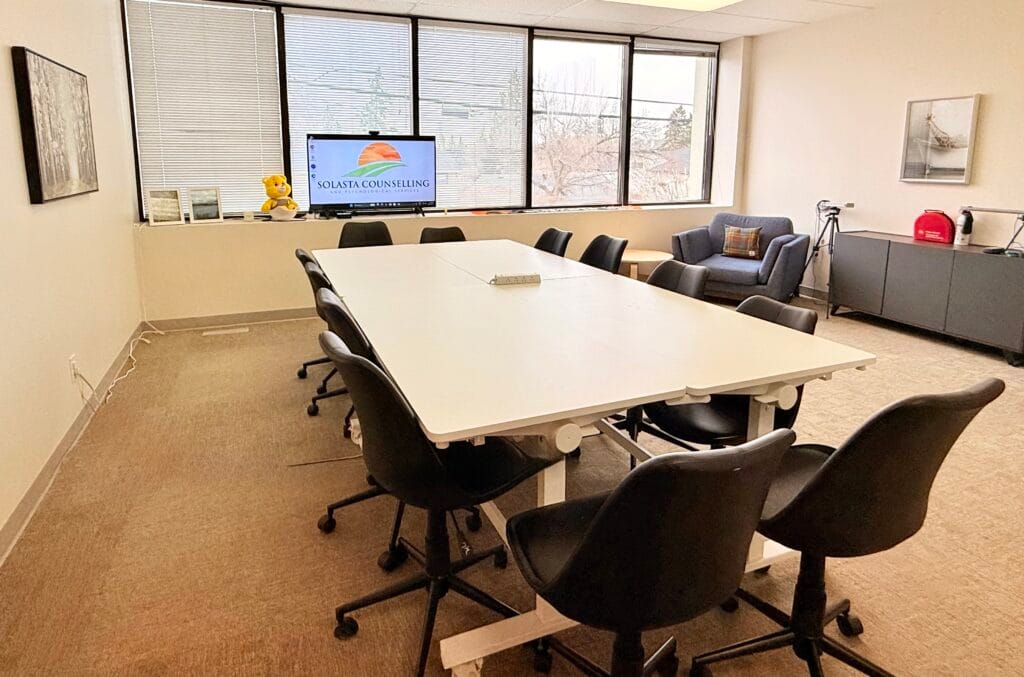
Our Calgary Office Space
Our thoughtfully designed counselling spaces are crafted to create a warm, welcoming environment where you can feel completely at ease.
Get Started With Solasta in Three Easy Steps
Find Your Therapist
Book Online
Choose a date and time that fits your schedule and receive instant confirmation of your appointment.
In-person or Online
Visit our welcoming Calgary office or meet with your therapist online from the comfort of your home.
FAQs
How do I know if my child might need an autism assessment?
You might consider an assessment if your child has differences in social communication, limited eye contact, strong reactions to sensory input, or prefers routines and has difficulty with change. Many parents also notice delays in language, play, or peer interactions
At what age can a child be assessed for autism?
Children can be assessed as early as toddlerhood, typically around 18–24 months. Early identification can be helpful in accessing supports, though assessments can be completed at any age depending on your child’s needs.
What does a child autism assessment involve?
A comprehensive assessment usually includes a developmental history, parent interviews, standardized tools such as the ADOS-2, and observation of your child’s communication, play, and behaviour. Input from teachers or caregivers may also be included when appropriate.
How long does a child autism assessment take?
Most assessments take place over 2–3 sessions, depending on your child’s age and needs. This includes time for interviews, direct assessment, and a feedback session to review results and recommendations.
Do I need a referral for my child to be assessed?
No, you do not need a referral. Parents can contact us directly to book a consultation and discuss whether an assessment is the right next step.
What happens after the assessment is complete?
You will receive a detailed report outlining the results, including whether your child meets criteria for autism. The report also includes individualized recommendations for supports at home, school, and in the community.