


Grief Therapy in Calgary
Grief doesn’t follow a schedule, and it doesn’t look the same for everyone. Our registered psychologists and therapists provide grief counselling in Calgary for people navigating loss of any kind at any stage.
What is Grief?
Grief is your mind and body responding to loss. It can follow the death of someone you love, the end of a relationship, a miscarriage or stillbirth, changes in your health, the loss of a job or role, or any major life change that alters the shape of your life.
For some people, grief feels like deep sadness. For others it shows up as numbness, anxiety, anger, exhaustion, guilt, relief, or feeling detached from the people around you. There is no “right” way to grieve, and there is nothing wrong with you if your experience does not match what other people expect.
Therapists Specializing in Grief Therapy
Only
Only
Only
Only
Only
Only
Only
Only
Only
Only
Only
Only
Types of Grief We Work With
Grieving is a deeply personal experience, and each individual’s journey is unique.
Death of a loved one
Whether sudden or anticipated, the death of someone close can be disorienting in ways that are hard to describe. Grief therapy provides space to process the loss without a timeline or expectation.
Complicated and prolonged grief
Sometimes grief doesn’t ease with time. It intensifies, gets stuck, or resurfaces in ways that interfere with daily life. This is more common than people realise, and it responds well to targeted therapy.
Suicide bereavement
Losing someone to suicide carries its own particular weight — shock, guilt, unanswerable questions. Our therapists have experience supporting people through this specific and often isolating form of loss.
Pregnancy and infant loss
Miscarriage, stillbirth, and infertility involve grief that is frequently minimised by others. We take it seriously.
Major life transitions
Moves, retirement, job loss, coming out, children leaving home, or other big changes can create a quieter kind of grief—grieving places, roles, and identities. In counselling, we treat these “smaller” losses with the same seriousness, helping you name what you are letting go of and what you are moving toward.
Anticipatory grief
Grieving someone who is still alive — through terminal illness, dementia, or prolonged decline — is exhausting and isolating. Therapy can help you hold that complexity.
Relationship loss
Separation, divorce, and the end of significant friendships can trigger grief as real as any other. So can estrangement from family.
Loss of health or identity
A serious diagnosis, a disability, or a significant change in what your body can do involves mourning a version of yourself and a future you expected.
Ambiguous loss
Some losses don’t have a clear endpoint or social recognition. Therapy helps you grieve what others may not fully acknowledge.
Loss of a pet
The loss of a pet can be just as painful as losing a family member. Pets offer unconditional companionship and routine; their absence can create a quiet but intense emptiness. In therapy, you have permission to treat this as the real loss that it is and to grieve without minimising it.
What Grief Therapy at Solasta Looks Like
We aim to keep grief therapy Calgary gentle, structured, and grounded in evidence-based care.
Initial session and plan
In your first session, your therapist will ask about the loss (or losses) you are facing, your current symptoms and supports, and what you hope might feel different. Together you will agree on a plan that fits your life—how often to meet, what to focus on first, and how you’ll know if therapy is helping.
Holistic, evidence-based approaches
Our therapists draw on approaches such as Cognitive Behavioural Therapy (CBT), meaning-centred therapy, acceptance- and mindfulness-based strategies, and trauma-informed grief work where needed. The goal is to combine emotional support with concrete tools that help you function day to day.
A compassionate, non-judgemental space
You will not be told to “move on” or to find positives before you are ready. Grief therapy is a place where crying, silence, anger, and laughter are all welcome. Many clients say it is the one hour where they do not have to protect anyone else.
Ongoing support as things shift
Grief is not linear. Some weeks you may feel stable; other weeks you may be knocked down by an anniversary, holiday, or unexpected reminder. Your therapist will stay with you through these shifts, revisiting coping strategies and adjusting the focus of therapy as your needs change.
What to Expect During Grief Therapy Calgary at Solasta
At Solasta, we provide a supportive, empathetic environment where you can process your grief and loss in a way that feels safe and comfortable.
Initial Assessment and Treatment Plan
Holistic and Evidence-Based Approaches
Compassionate, Non-Judgemental Approach
Support Throughout the Grief Journey
Ongoing Support and Tailored Treatment
We are committed to walking alongside you during your grief journey. Our therapists will provide ongoing support, helping you navigate your emotions with care and respect.
Common Questions About Grief Therapy
Grief is a complex and personal experience, and many people have questions about how therapy can help.
How do I know if I need grief therapy?
There is no threshold you have to meet to “qualify” for grief therapy Calgary. Many people reach out when grief is starting to interfere with sleep, work, parenting, or relationships, or when they feel stuck, alone, or overwhelmed. If your loss is affecting your day-to-day life, counselling can help. Therapy can help with complicated or prolonged grief and offer strategies to cope with feelings that may feel stuck.
Can therapy help with sudden or traumatic loss?
Yes. Sudden or traumatic losses (such as accidents, suicide, or violent death) can bring intense shock, intrusive images, and complicated emotions. Our therapists are experienced in trauma-informed grief work and can help you process what happened at a pace that feels safe.
How long does grief therapy usually take?
There is no set timeline. Some people find a handful of sessions around a specific loss helpful; others benefit from longer-term support as grief evolves. You and your therapist will regularly check in about how therapy is going and whether the frequency or focus needs to change.
Why Choose Solasta for Grief Therapy?
Solasta is a multidisciplinary practice with registered psychologists, registered provisional psychologists, and registered social workers. Several members of our team have specific experience with bereavement, suicide loss, and complicated grief.
We offer in-person grief counselling at our NW Calgary office and online grief therapy for clients anywhere in Alberta. Most clients can book within days. A free 15-minute consultation call is a low-commitment way to find the right fit — no pressure, no obligation.
CAP
All of our psychologists are registered with the College of Alberta Psychologist.
PAA
Many of our psychologists are members of the Psychology Association of Alberta.
CCPA
Many of our psychologists are members of the Canadian Counselling and Psychotherapy Association.
FAQs
Is there a right or wrong way to grieve?
No. Grief doesn’t follow a fixed sequence and the idea that everyone moves through the same stages in order is a significant oversimplification. Some people feel numb first and devastated months later. Some feel relief alongside sadness. Some grieve intensely and briefly; others carry it quietly for years. Therapy doesn’t try to move you through grief faster or in a particular direction — it helps you understand and navigate your own experience of it.
How do I know when grief has become something I need help with?
Grief becomes worth getting support for when it’s significantly disrupting your daily life, relationships, or ability to function — or when you’re feeling stuck, isolated, or unable to see a way forward. You don’t need to reach a crisis point to seek help. Many people find therapy most useful in the earlier stages of grief, before they’ve exhausted their own coping resources.
Can therapy help with grief that isn't about a death?
Absolutely. Grief is a response to any significant loss — the end of a relationship, a pregnancy loss, a serious diagnosis, the loss of a career, a friendship, or a version of your life you expected to have. These losses are real and the grief they produce deserves the same care and attention as bereavement.
What if I feel guilty, relieved, or angry rather than just sad?
Those feelings are common and completely valid. Grief rarely arrives as simple sadness — it typically includes anger, guilt, relief, numbness, confusion, and sometimes even moments of unexpected lightness. A grief therapist won’t try to redirect you toward the “right” emotions. The work is about making space for whatever you’re actually feeling.
Is grief therapy different from regular counselling?
It draws on many of the same skills and approaches but is shaped by the specific experience of loss. Grief therapy pays particular attention to meaning-making — helping you understand what this loss means for your sense of self, your relationships, and your life going forward — alongside managing the practical and emotional weight of bereavement. Some approaches, including EMDR, can also be particularly helpful in processing the traumatic elements that sometimes accompany grief.
How long does grief therapy usually take?
There’s no standard timeline — it depends on the nature of the loss, your history, and what you’re hoping to get from therapy. Some people find significant relief in a few sessions; others benefit from longer ongoing support. Your therapist will work with you to understand what you need rather than applying a fixed programme.
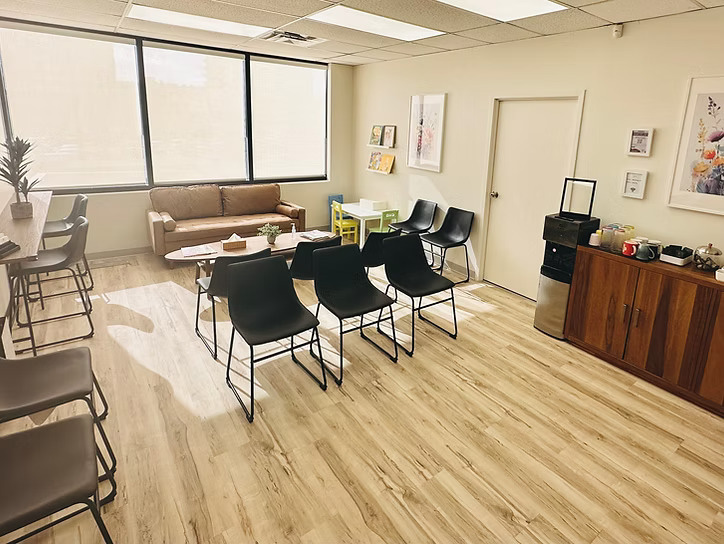
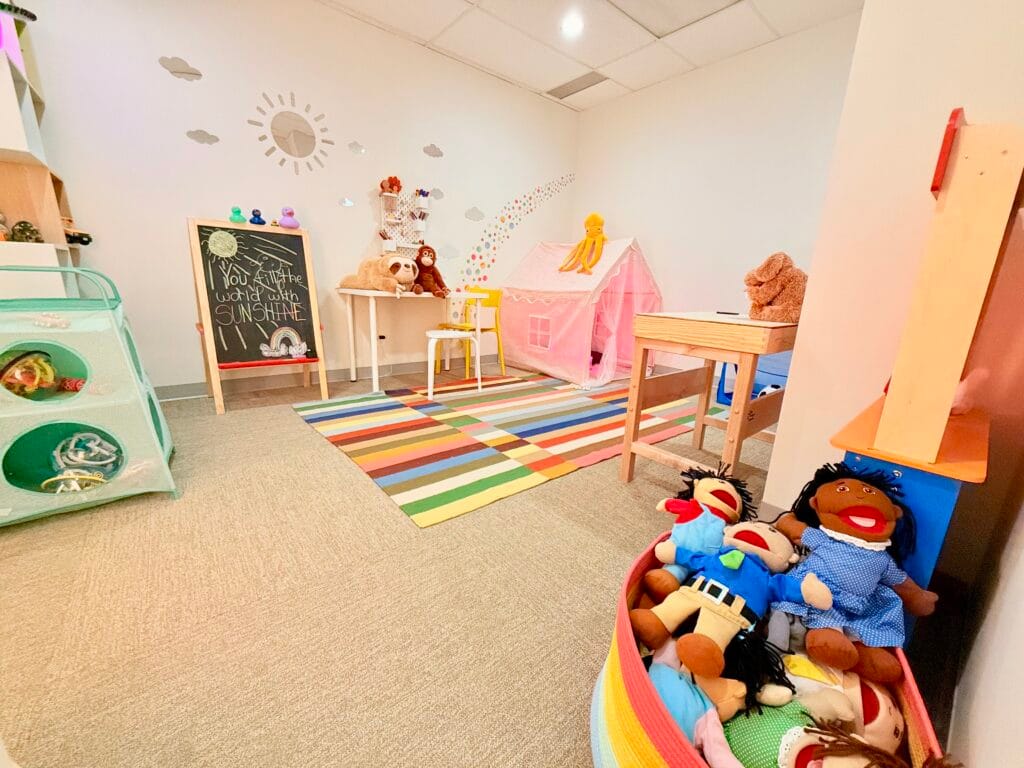
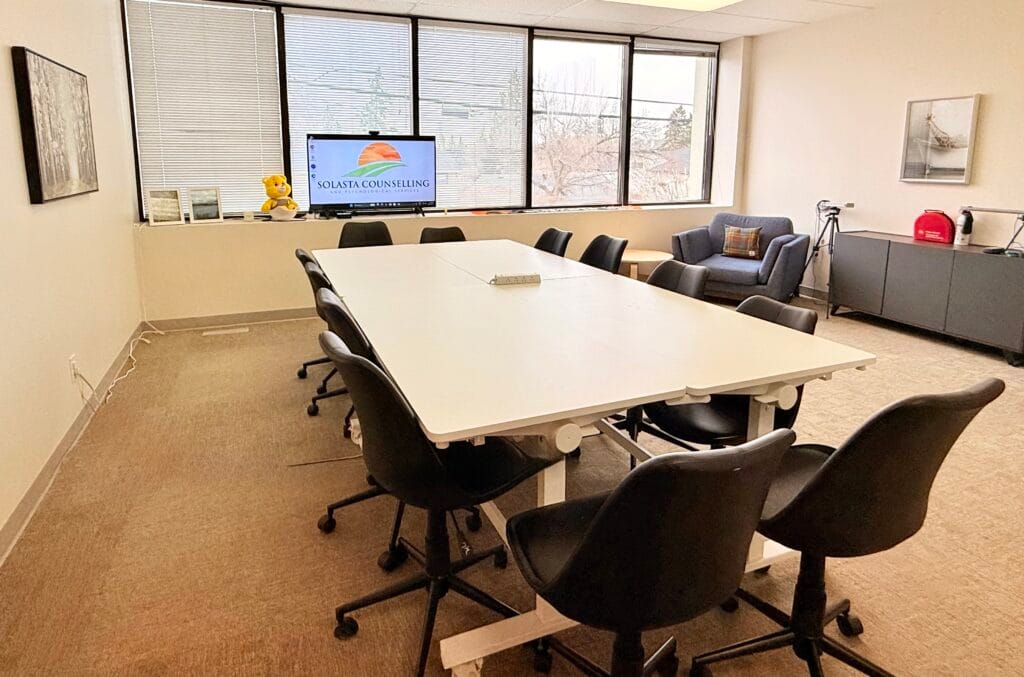
Our Calgary Office Space
Our thoughtfully designed counselling spaces are crafted to create a warm, welcoming environment where you can feel completely at ease.
Get Started With Solasta in Three Easy Steps
Find Your Therapist
Book Online
Choose a date and time that fits your schedule and receive instant confirmation of your appointment.
In-person or Online
Visit our welcoming Calgary office or meet with your therapist online from the comfort of your home.