

Accelerated Resolution Therapy in Calgary

Most therapy takes time. Accelerated Resolution Therapy is different.


ART is a brief, evidence-based approach that uses eye movements and imagery techniques to help the brain reprocess distressing memories — often producing significant, lasting relief in as few as one to five sessions. You don’t need to talk through every detail of what happened. You don’t need months of weekly appointments before things begin to shift. For many people, ART works faster than anything else they’ve tried.


At Solasta, ART is offered by trained registered psychologists and counsellors as a standalone treatment or as part of a broader therapeutic approach.

What is Accelerated Resolution Therapy?

Accelerated Resolution Therapy was developed by Laney Rosenzweig in 2008 and has since been validated through numerous clinical trials. It is recognised as an evidence-based treatment by SAMHSA (the Substance Abuse and Mental Health Services Administration) and has been extensively studied with military veterans, first responders, and survivors of trauma.

ART is related to — but distinct from — EMDR therapy. Both use bilateral eye movements to help process distressing material, but ART incorporates an additional technique called Voluntary Memory and Image Replacement, which allows clients to actively reshape the sensory images associated with a distressing memory. Rather than the memory simply losing emotional charge, ART allows you to replace the troubling image with something neutral or positive — so the memory remains accessible but no longer triggers the same distress response.

The result is that the memory is still there — you haven’t suppressed or erased anything — but it no longer carries the same emotional or physical weight. Most clients describe this as a profound and somewhat surprising experience: the memory feels different almost immediately, in ways that persist beyond the session.

Therapists Specializing in ART in Calgary

How ART Works

ART sessions are structured and follow a clear protocol. Your therapist guides you through the process step by step. Here’s what a typical session involves:

Identifying the Target

You and your therapist begin by identifying the memory, image, sensation, or issue you want to work on. This might be a specific traumatic event, a recurring intrusive image, a phobia, or a pattern of anxiety or distress. You don’t need to describe everything in detail — ART works with the image or sensation rather than requiring a full verbal account.

Eye Movements

Your therapist guides your eyes in a smooth, rhythmic left-right movement — similar to what happens during REM sleep, which is when the brain naturally processes and consolidates memories. This bilateral stimulation is thought to activate the brain’s natural memory processing system, allowing distressing material to be reprocessed without the same level of emotional flooding that can happen when memories are recalled directly.

Voluntary Memory and Image Replacement

Once the distressing image has been processed and its emotional intensity reduced, your therapist guides you through replacing the troubling sensory image with a neutral or positive one of your choosing. This is the element that makes ART distinct — rather than simply desensitising to a negative image, you actively replace it with something that feels better. This isn’t denial or suppression; the original memory remains accessible. But when you bring it to mind, what you encounter is the new image rather than the old one.

Consolidation

The session ends with techniques to reinforce the new associations and ensure you leave feeling settled and grounded. Most clients report feeling lighter, calmer, or simply different at the end of a session — the shift is often noticeable in the room.

Why ART Stands Out

ART has a number of qualities that set it apart from other evidence-based approaches — and that make it the right choice for people who haven’t found what they were looking for elsewhere.

counselling and assessments in calgary

It Can Work Quickly

The research on ART is consistent: most clients experience significant improvement within 1–5 sessions. This makes it one of the fastest-acting evidence-based approaches available for trauma and distress. For clients who have been in therapy for years without achieving the relief they were hoping for, or who have limited time or insurance coverage, ART can offer a genuinely different trajectory.

You Don’t Have to Retell Everything

One of the most common fears people have about trauma therapy is having to talk through what happened in detail — reliving it in order to process it. ART largely bypasses this. Your therapist works with the image or sensation associated with the memory rather than the narrative account of it. Many clients find this a significant relief, particularly those who have struggled with traditional talk therapy for trauma precisely because the process of talking about it felt retraumatising.

The Changes Are Tangible and Immediate

Unlike some therapeutic approaches where change is gradual and cumulative over many sessions, clients undergoing ART often notice a clear shift within a single session. The distressing image feels different. The emotional intensity is lower. The physical sensations that accompanied the memory — the tightening in the chest, the sense of dread, the activation in the nervous system — often reduce noticeably in session. This immediate feedback can itself be therapeutic, particularly for clients who have begun to doubt whether anything can help.

It’s Versatile

ART was originally developed for trauma but has been applied effectively to a wide range of concerns beyond PTSD. It can be used for phobias, performance anxiety, grief, physical pain, relationship distress, and more. If a distressing image, memory, or sensation is involved, ART can likely address it.

ART vs. EMDR — What's the Difference?

Both ART and EMDR use bilateral eye movements to process distressing memories and are effective for trauma. The key differences:

ART tends to be faster — the protocol is more condensed and most clients work within 1–5 sessions. It incorporates Voluntary Memory and Image Replacement, actively reshaping the distressing image rather than simply reducing its emotional charge. The approach is highly structured and follows a clear session format.

EMDR is more established and has a larger evidence base, particularly for complex and developmental trauma. It is more flexible in its application and tends to be used over a longer course of treatment for more complex presentations. It also involves more extensive preparation and stabilisation phases.

Neither is universally superior — the best choice depends on your specific situation, what you are working through, and which approach feels more suitable to you. At Solasta, some clients benefit from ART alone, some from EMDR alone, and some from a combination of both. Your therapist can help you think through which makes most sense.

What ART Can Help With

ART is appropriate for a wide range of presentations. At Solasta, it is commonly used for:

Trauma and PTSD

ART was developed for trauma and has the strongest evidence base in this area. It is particularly effective for single-incident trauma — a car accident, an assault, a medical emergency, a difficult birth — but is also used for complex and developmental trauma. Unlike some trauma approaches, ART can begin to produce relief within the first session without requiring clients to spend extended time in a state of activation.

Anxiety and Phobias

Anxiety is often driven by specific images, scenarios, or sensory memories that trigger the fear response. ART can target these directly — replacing the distressing image with a neutral or calm one — and interrupt the cycle of avoidance and activation that keeps anxiety entrenched. It is also highly effective for specific phobias, which often respond rapidly to this kind of direct image-based work.

Performance Anxiety and Sports Psychology

For athletes, performers, and professionals whose performance anxiety has a strong imagery component — a specific moment of failure replaying, a feared scenario playing out — ART offers a rapid and targeted way to restructure those mental images and their associated emotional responses.

Depression

Research has shown ART to be effective for depression, particularly where depressive symptoms are linked to specific negative memories, self-images, or experiences of loss and failure. By reprocessing these associations at the image level, ART can shift the emotional resonance of the memories that are maintaining low mood.

Grief and Loss

Grief often involves intrusive, painful images — of the person who has died, of the moment of loss, of things that were never said. ART can reduce the intensity of these images and support the natural process of integration and adaptation, allowing grief to move rather than staying stuck.

Physical Pain and Medical Trauma

ART has been used effectively for chronic pain conditions and the psychological impact of medical procedures, diagnoses, or hospitalisations. The imagery techniques can target the physical sensations associated with pain and fear, often producing meaningful reductions in both the emotional and physical dimensions of the experience.

Car Accident Recovery

ART is particularly well-suited to the kind of trauma associated with motor vehicle accidents — a clear, specific incident with associated imagery that intrudes repeatedly. Sessions can be remarkably effective for driving anxiety, intrusive memories of the accident, and the physical tension that accompanies recall. It pairs naturally with Solasta’s broader MVA counselling services and may be covered under Alberta auto insurance.

adult autism assessment Calgary

Take the First Step

If you have been carrying something that hasn’t shifted despite other efforts, ART may offer a different experience. Many clients are surprised by how much can change in a single session.

CAP

All of our psychologists are registered with the College of Alberta Psychologist.

PAA

Many of our psychologists are members of the Psychology Association of Alberta.

CCPA

Many of our psychologists are members of the Canadian Counselling and Psychotherapy Association.

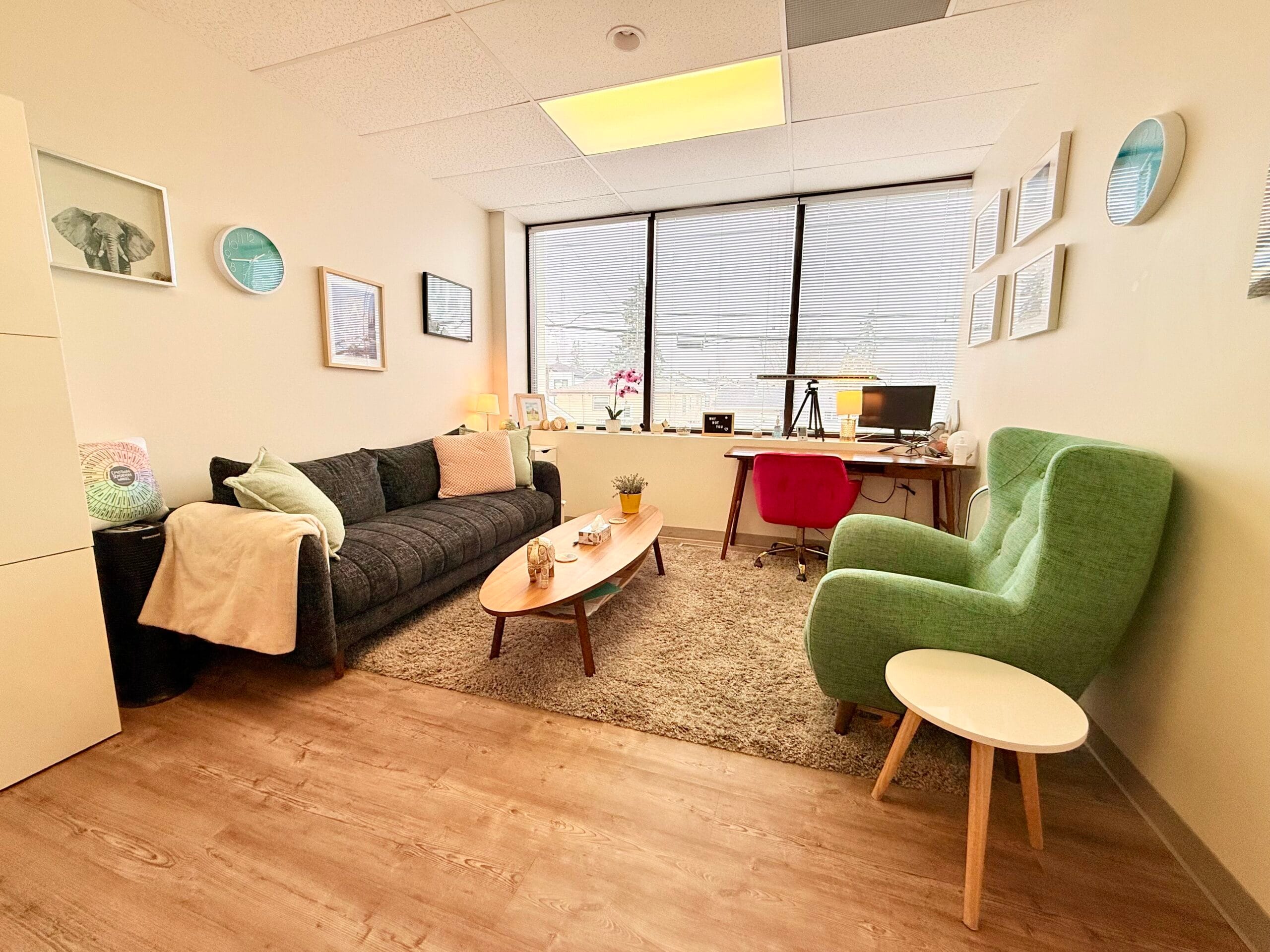
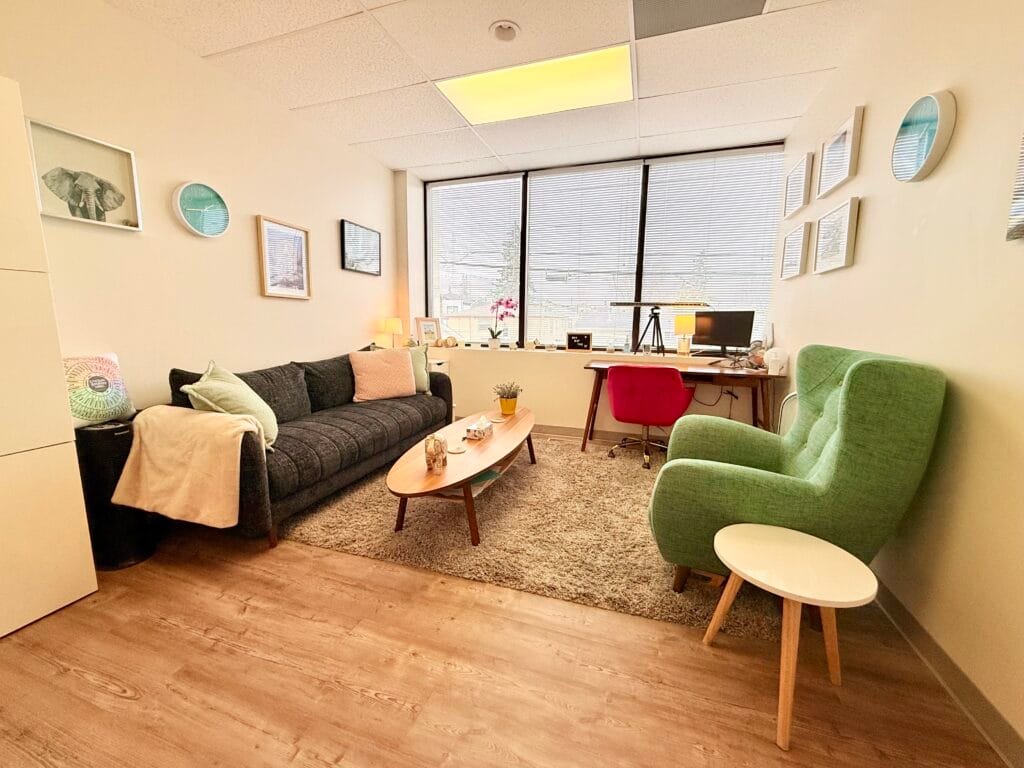
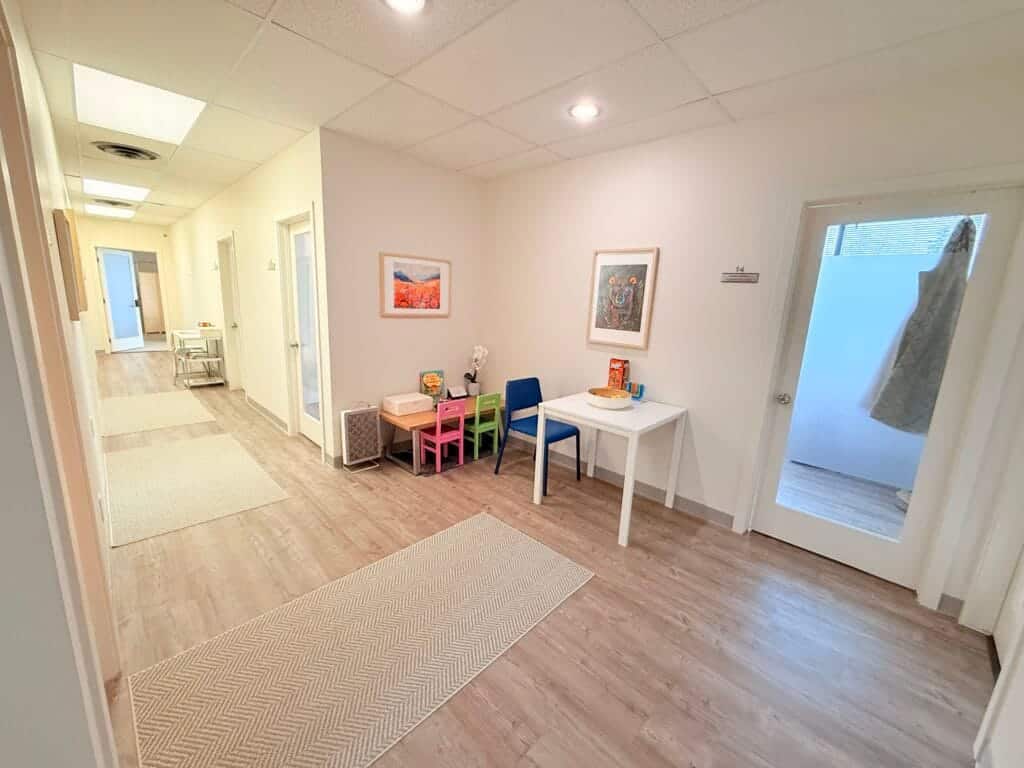
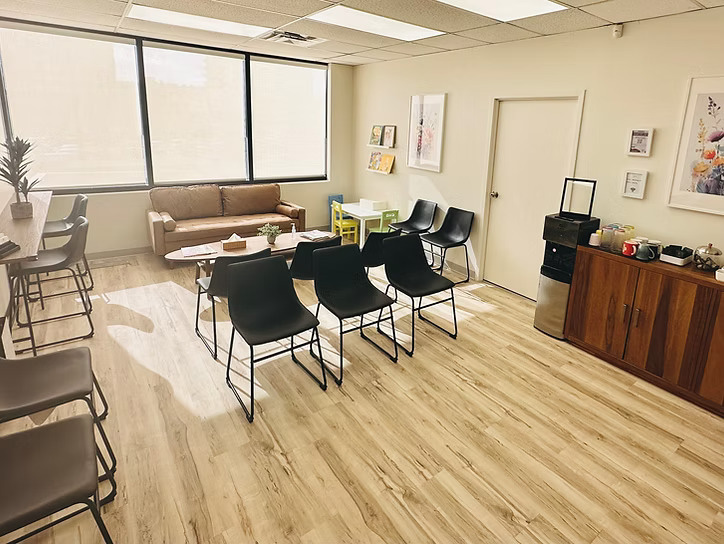
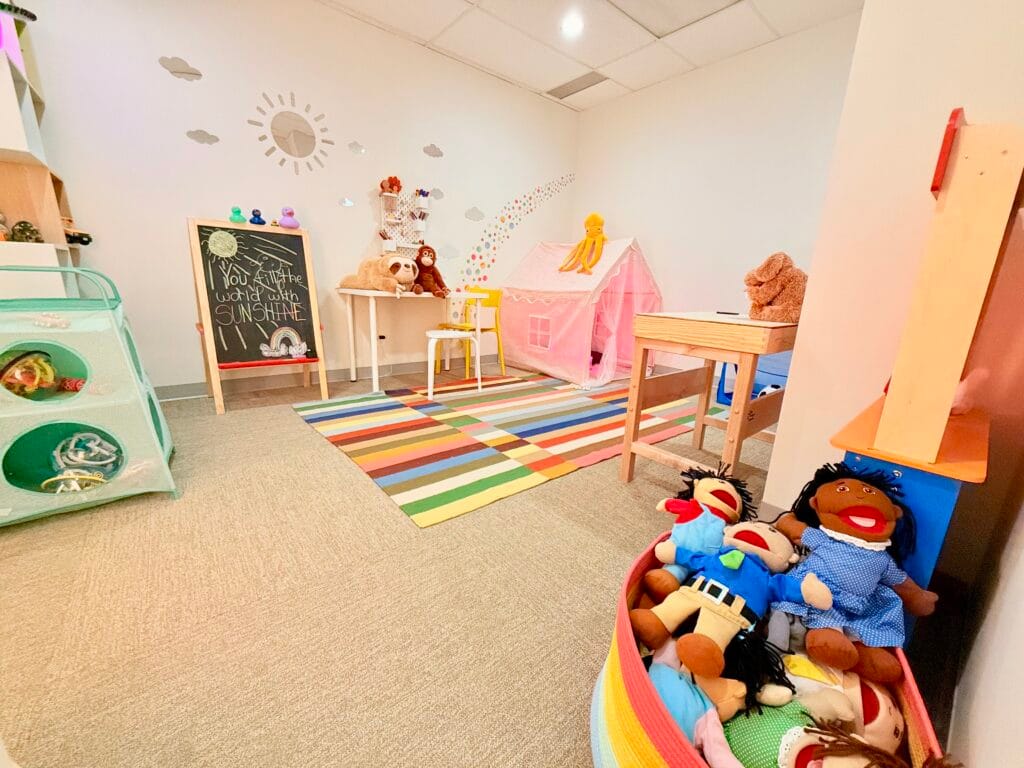
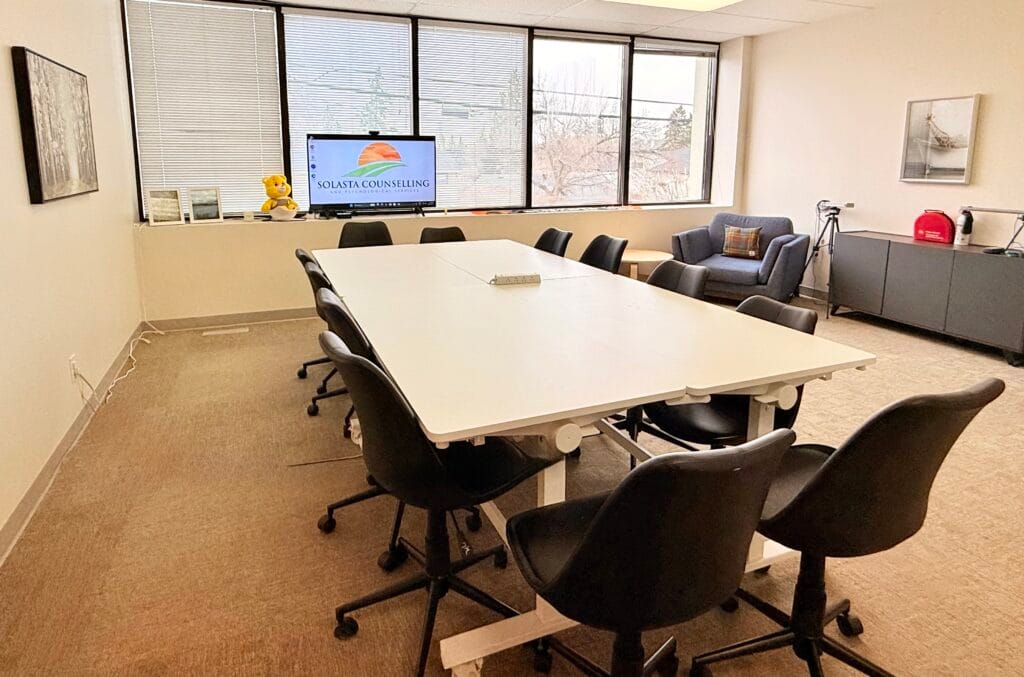
Our Calgary Office Space

Our thoughtfully designed counselling spaces are crafted to create a warm, welcoming environment where you can feel completely at ease.

Get Started With Solasta in Three Easy Steps

1

Find Your Therapist

2

Book Online

Choose a date and time that fits your schedule and receive instant confirmation of your appointment.

3

In-person or Online

Visit our welcoming Calgary office or meet with your therapist online from the comfort of your home.

FAQs

Both use bilateral eye movements and are effective for trauma, but ART incorporates Voluntary Memory and Image Replacement — actively replacing the distressing image with a neutral or positive one — and tends to work faster, often within 1–5 sessions. EMDR has a larger evidence base and is often better suited to complex or developmental trauma worked through over more sessions. Both are available at Solasta, and your therapist can help you decide which is the better fit.

No — this is one of ART’s most significant advantages. ART works with the image or sensation associated with a memory rather than requiring you to describe events in detail. Many clients who have found traditional talk therapy difficult precisely because recounting the experience felt retraumatising find ART a more tolerable and often more effective alternative.

Many clients notice a meaningful shift within the first session. The distressing image feels different, the emotional intensity reduces, and the physical sensations that accompanied the memory often settle. Research consistently shows significant improvement for most clients within 1–5 sessions.

ART has been used with adolescents and older children, though the standard protocol is designed for adults. If you are seeking ART for a child or teenager, please mention this when booking and we will discuss whether it is an appropriate fit and which of our therapists has relevant experience.

Most clients describe ART sessions as gentle and manageable — you are not required to stay in a state of distress while processing. The eye movements have a calming, grounding effect for many people. Toward the end of the session, after the image replacement, most clients report feeling noticeably lighter or calmer. Some feel emotional. Some feel tired. Most leave feeling different from how they arrived — and that difference tends to persist.

Yes — the research on ART shows that changes are durable. Follow-up studies consistently show that improvements are maintained over time. Because the processing happens at the level of how memories are stored in the brain, the changes are not simply cognitive insights that fade — the memory genuinely feels different when recalled.