


Child Therapy in Calgary

Something has changed with your child — or maybe you’ve been noticing things for a while and you’re not sure what to do next. Perhaps they’re anxious about school, struggling with big emotions, acting out at home, or going through something difficult that you can’t quite reach.


At Solasta, our therapists work with children aged 3 to 12 in NW Calgary. Sessions take place in comfortable therapy offices or our dedicated playroom, depending on your child’s age and what works best for them. 

child therapy calgary

How Child Therapy Works

Child therapy is therapy designed specifically for younger children. Because children often can’t put their experiences into words, therapy uses age-appropriate methods — play, art, sandtray, games, and conversation — to help them understand and process what they’re going through.

Sessions are one-on-one with a trained therapist. Rather than directing the child, the therapist follows their lead — observing how they play, what they create, and how they interact — and gently guides the process from there. Trust builds gradually, and the work deepens as it does.

Every child is different. Some engage best through play and creative activity. Others do better with structured conversation or games. Some benefit from our dedicated playroom; others work just as well in a comfortable therapy office. Your child’s therapist will find what fits.

How Does Therapy Work for Children?

Before your child’s first session, we meet with you to understand your child’s history and what you’re hoping therapy can do. You’ll receive regular updates throughout, along with practical strategies to support progress at home and at school.

child therapy calgary

What We Help With

Children rarely say directly when something is wrong. Instead you might notice changes in their behaviour, mood, sleep, or how they’re managing at school. Here are the most common reasons families come to Solasta for child therapy:

child therapy calgary

Anxiety and Worry

Stomach aches before school, difficulty sleeping, clinginess, or avoiding things they used to enjoy. Anxiety in children is common and responds well to therapy. We help children name what they’re feeling, understand where it’s coming from, and build coping strategies that work in real situations.

Trauma and Difficult Experiences

Children who have experienced something frightening — abuse, witnessing conflict, a medical event, or something they struggle to talk about — can carry that experience in ways that affect their behaviour, sleep, and relationships. Play-based and creative approaches allow children to process difficult experiences safely, without being forced into words before they’re ready.

Low Mood and Depression

Even young children can experience persistent sadness, withdrawal, and loss of interest in things they used to love. Therapy provides a consistent, supportive relationship where children can express difficult feelings and gradually rebuild their sense of connection and enjoyment.

Self-Esteem and Confidence

Children who struggle with how they see themselves benefit from a space focused entirely on their strengths. We help children recognise what they’re good at, develop confidence in their own voice, and approach challenges with more resilience.

Behavioural Challenges

Defiance, aggression, or big reactions at school or home often have an emotional root. Therapy helps children understand what’s driving their behaviour and develop new ways to respond — change that comes from the inside rather than being imposed from the outside.

Grief and Loss

Children grieve differently from adults — sometimes fine, then falling apart over something small. Therapy gives children a space to explore loss at their own pace, without pressure to feel a certain way or move on before they’re ready.

Self-Esteem and Confidence

Children who struggle with how they see themselves — whether from social difficulties, academic challenges, or comparison with peers — benefit from a space focused entirely on their strengths. We help children recognise what they’re good at, develop confidence in their own voice, and approach challenges with more resilience.

Family Changes

Divorce, new siblings, blended families, or a parent’s mental health difficulties can all affect a child’s sense of security. Therapy helps children navigate change and feel grounded when their world feels uncertain.

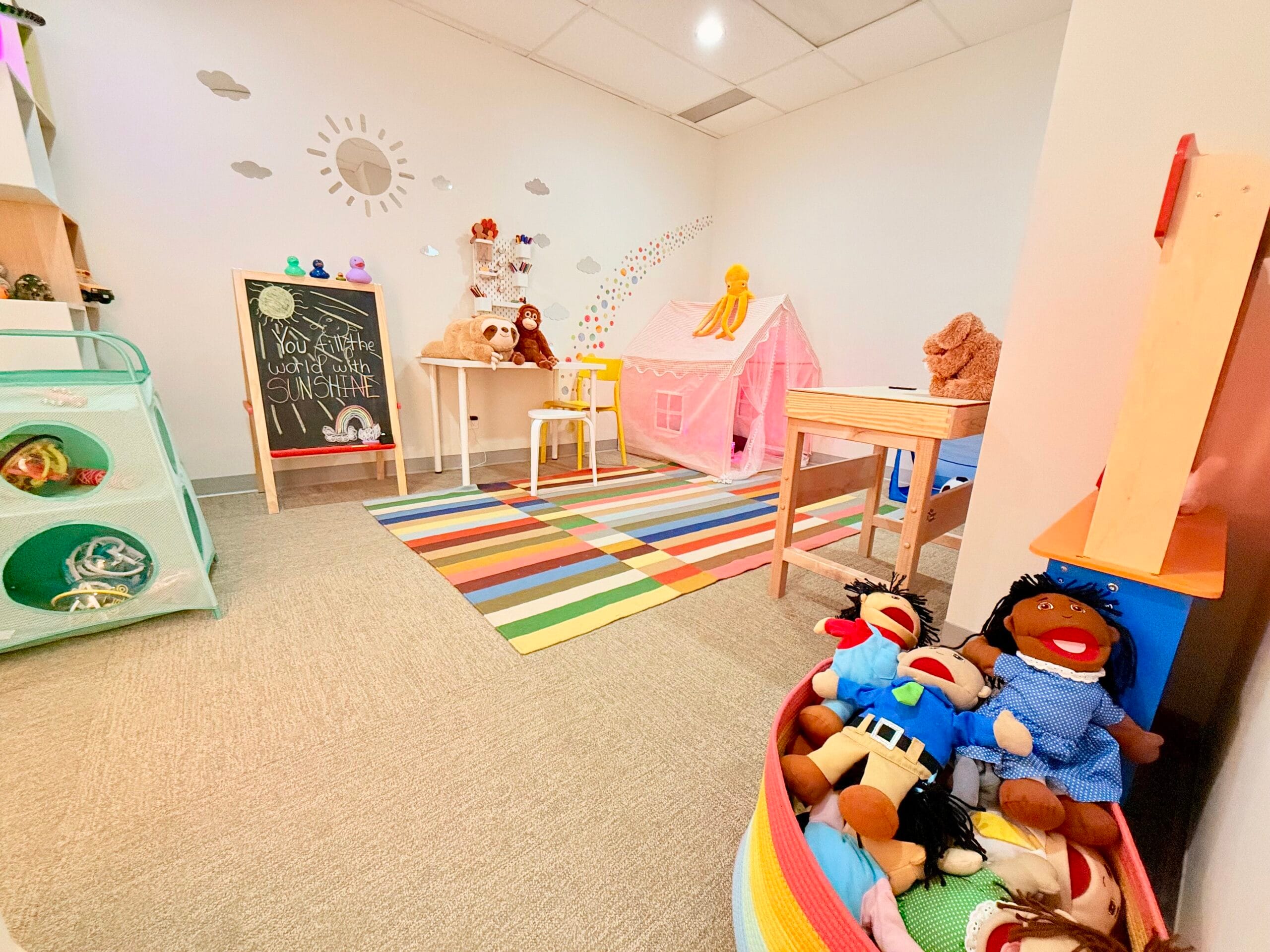
Our Therapy Playroom

Built for Children!

When you bring your child to Solasta for therapy, you can expect a warm, unhurried process that puts your child’s comfort first and keeps you informed every step of the way. Here’s what typically happens:

A Parent Intake Meeting First

Before your child’s first session, we meet with you. We want to understand your child’s history, what you’ve been noticing, and what you’re hoping therapy can do. You don’t need to have all the answers — we’ll ask the right questions together. Your child doesn’t need to be there for this part.

Therapeutic Approaches Tailored to Your Child

We don’t use one approach for every child. Our therapists draw from play therapy, sandtray, art therapy, CBT for children, attachment-based approaches, and child EMDR — choosing and combining what fits your child’s age, temperament, and presenting concerns.

For younger children or those who find it hard to talk about their feelings, sessions often make use of our dedicated playroom — a purpose-built space with toys, puppets, art materials, a sandtray, and a cosy tent where children can feel safe and in control. For older children or those who engage better through conversation or structured activity, sessions take place in a comfortable therapy office. Your child’s therapist will find what works.

Family Involvement Throughout

You’ll receive regular updates on themes and progress, and practical strategies to support what happens in sessions at home and at school. In many cases, parent sessions are built into the process — because what happens at home matters as much as what happens in the room.

Ongoing Support and Progress Monitoring

We check in regularly and adjust the approach as your child grows and changes. If concerns emerge during therapy that warrant a more formal evaluation — for ADHD, autism, or learning difficulties — we can coordinate that within the same practice, without you having to start over somewhere else.

child therapy calgary

What to Expect in Child Therapy at Solasta

When you bring your child to Solasta, here’s what typically happens:

A Parent Meeting First

Before your child’s first session, we meet with you. We want to understand your child’s history, what you’ve been noticing, and what you’re hoping therapy can do. You don’t need to have all the answers — we’ll ask the right questions. Your child doesn’t need to be there for this part.

Tailored Sessions

We draw from play therapy, sandtray, art therapy, CBT for children, attachment-based approaches, and child EMDR — choosing and combining what fits your child’s age, temperament, and presenting concerns. Sessions are adapted to where your child is, not a fixed programme they work through.

Regular Updates for Parents

You’ll always know what’s being worked on. We provide regular progress updates and give you practical strategies to support what’s happening in sessions at home and at school. In many cases, parent sessions are built into the process — because what happens at home matters as much as what happens in the room.

Integrated Support if Needed

If concerns emerge during therapy that warrant a more formal evaluation — for ADHD, autism, or learning difficulties — we can coordinate that within the same practice. You won’t have to start the process over somewhere else.

Why Choose Solasta for Child Therapy in Calgary?

Our experienced therapists offer a range of therapeutic techniques to support your child’s mental health journey, from CBT to art therapy, ensuring a personalized approach.

Therapists Specializing in Child Therapy

Calgary Counselling and Psychology Services

Our Calgary psychologists have a wide range of experience and expertise in understanding the unique needs of our clients and helping you reach your therapy goals.

CAP

All of our psychologists are registered with the College of Alberta Psychologists.

PAA

Many of our psychologists are members of the Psychologists’ Association of Alberta.

CCPA

Many of our therapists are members of the Canadian Counselling and Psychotherapy Association.

Our Calgary Office Space

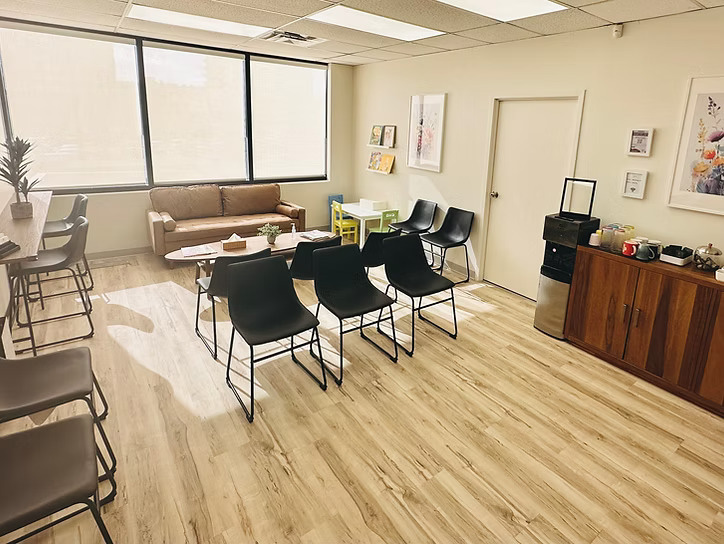
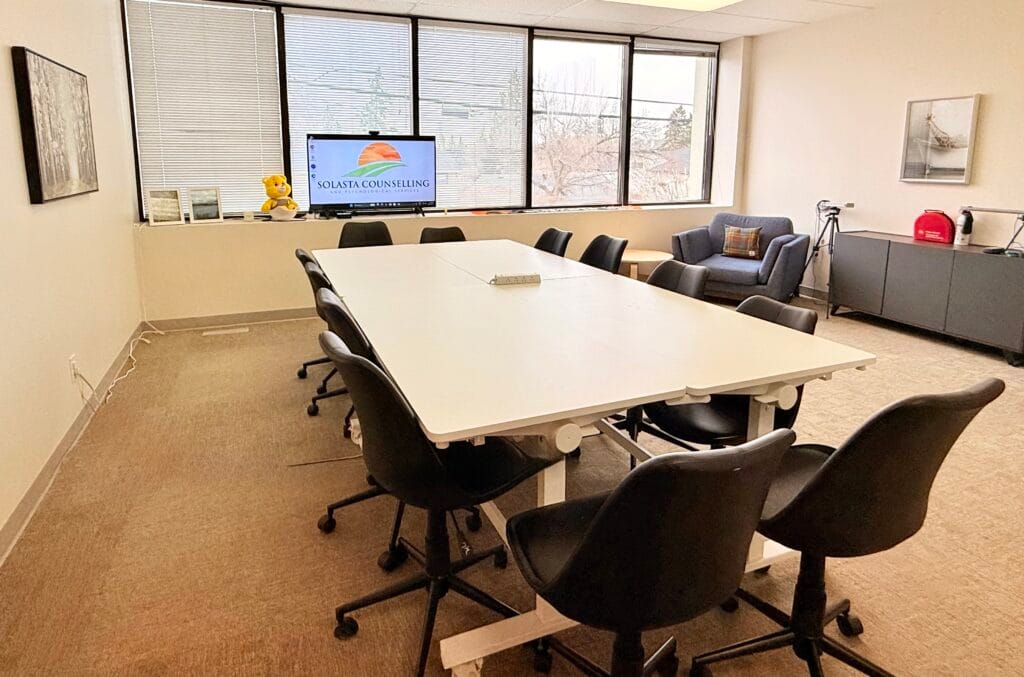
Our thoughtfully designed counselling spaces are crafted to create a warm, welcoming environment where you can feel completely at ease.

Get Started With Solasta in Three Easy Steps

1

Find Your Therapist

2

Book Online

Choose a date and time that fits your schedule and receive instant confirmation of your appointment.

3

In-person or Online

Visit our welcoming Calgary office or meet with your therapist online from the comfort of your home.

FAQs

Child therapy at Solasta is suitable for children from age 3. For children under 5, sessions are more play-focused. The approach is adapted to your child’s developmental stage — what works for a 4-year-old is very different from what works for a 10-year-old. For teenagers, we have therapists with specific experience working with adolescents — ask about this when you call.

They don’t have to — not right away, and not in words. Children communicate through what they choose to do in the room, not just what they say. Talking often comes naturally later, once trust is established. Our therapists are patient and child-led, and experienced in working with children who are initially reluctant.

Actively involved, particularly in the early stages. We meet with you before beginning, check in regularly throughout, and may build parent sessions into the process. You’ll always know what’s being worked on, even when the specific content of sessions stays with your child.

It depends on your child and what you’re working on. Some children benefit from a focused block of 8–12 sessions. Others need longer-term support. Your child’s therapist will give you a realistic sense of the timeframe after the first few sessions.

Please visit our fees page for current rates. Sessions are covered by most extended health benefit plans — check with your provider for your specific coverage. No referral from a doctor is required.

No referral needed. Book directly online or call our admin team.