




Teen Therapy in Calgary
Being a teenager is genuinely hard right now. The pressure to perform academically, to look a certain way online, to know who you are and where you fit — it’s a lot to carry, and most teens are carrying it without much support.
If your teenager is struggling — with anxiety, low mood, identity, relationships, or just a persistent sense that something isn’t right — therapy can help. At Solasta, our therapists work specifically with teens aged 13 to 17 in NW Calgary. Sessions are confidential, non-judgmental, and built around your teenager, not a script.
How Teen Therapy Works
Teen therapy is one-on-one talk therapy adapted specifically for adolescents. Unlike therapy for younger children, sessions with teenagers are primarily conversational — the therapist and your teen work together to understand what’s going on, build skills, and make sense of experiences that feel overwhelming or confusing.
The relationship between therapist and teen is the foundation of everything. Most teenagers are initially reluctant — they didn’t ask to be there, and they’re not sure they can trust a stranger with the things they actually care about. Our therapists are experienced at building that trust without rushing it. Sessions start where your teen is, not where a treatment plan says they should be.
Parents are kept informed on progress and themes, while the content of sessions stays between the therapist and your teen. That confidentiality is usually what makes it possible for teenagers to be honest.
How Does It Actually Work?
Before your teen’s first session, we meet with you as parents to understand what you’ve been seeing and what you’re hoping therapy can do. Your teen then meets with their therapist independently — which is usually important for building the trust that makes therapy effective.
What We Help With
Teenagers face pressures that are genuinely different from what previous generations navigated — and different again from what adults often assume is going on. Here are the most common reasons families bring their teenager to Solasta:
Anxiety and Panic
Anxiety is the most common reason teenagers come to therapy. It might look like perfectionism, avoidance, panic attacks, physical symptoms like headaches or stomach aches, or a persistent low-level dread that’s hard to name. We help teenagers understand what’s driving their anxiety and build practical strategies that actually work — not just breathing exercises, but real tools for the situations that trigger them.
Social Media and Identity Pressure
Constant comparison, the performance of a curated life online, FOMO, cyberbullying, and the exhaustion of managing a public persona 24 hours a day — social media creates pressures that previous generations simply didn’t face. We help teenagers develop a healthier relationship with online life, understand how it’s affecting their self-image, and build a sense of identity that doesn’t depend on likes and followers.
Identity and Self-Discovery
The teenage years are when identity becomes a real question — who am I, where do I fit, what do I actually believe, am I who everyone expects me to be? For some teenagers this is exciting. For others it’s disorienting, isolating, or frightening. Therapy offers a genuinely non-judgmental space to explore identity questions, including gender identity, sexuality, cultural identity, and the tension between who teenagers are at home and who they are everywhere else.
Social Struggles and Friendships
Friendship in adolescence is intense, complicated, and often painful. Exclusion, conflict, social anxiety, difficulty making or keeping friends, or the aftermath of a falling out — these things matter enormously to teenagers even when adults minimise them. We take them seriously.
Eating and Body Image
Body image concerns are common in adolescence and can range from unhealthy preoccupation to disordered eating patterns that need early intervention. We work with teenagers who are struggling with how they see their body, their relationship with food, and the way social comparison — especially online — is affecting how they feel about themselves.
Depression and Low Mood
Persistent sadness, loss of motivation, withdrawing from friends and activities, sleeping too much or not enough, feeling empty or hopeless. Depression in teenagers often looks different from adult depression — it can present as irritability, anger, or just a flatness that parents find hard to reach. Therapy provides a consistent, private space where teenagers can be honest about what they’re actually feeling.
Academic Pressure and Burnout
The pressure to perform academically — to get into the right program, to meet parental and school expectations, to not fall behind — is a significant source of distress for many teenagers. We work with teens who are burning out, who have lost any sense of why they’re working so hard, or who are so afraid of failure that they’ve stopped trying altogether.
Self-Esteem and Confidence
Children who struggle with how they see themselves — whether from social difficulties, academic challenges, or comparison with peers — benefit from a space focused entirely on their strengths. We help children recognise what they’re good at, develop confidence in their own voice, and approach challenges with more resilience.
Trauma and Difficult Experiences
Teenagers who have experienced abuse, neglect, bullying, family violence, or other traumatic events carry those experiences in ways that affect their relationships, their sense of self, and their ability to function. Therapy provides a safe, structured space to process trauma at your teenager’s pace, using evidence-based approaches including trauma-focused CBT and EMDR.
Family Conflict and Difficult Home Situations
Conflict with parents, navigating divorce or blended families, living with a parent’s mental health difficulties or addiction, feeling like they can’t be who they are at home — these are real sources of distress for many teenagers. Therapy gives them a space that’s theirs, separate from the family system, where they can work through what’s happening at home.
Our Approach to Teen Therapy in Calgary
There is no single approach that works for every teenager. Our therapists draw from a range of evidence-based methods, choosing and combining what fits your teen’s personality, presenting concerns, and where they are developmentally:
CBT (Cognitive Behavioural Therapy)
Helps teenagers identify unhelpful thought patterns, understand the connection between thoughts, feelings, and behaviour, and build practical strategies for managing anxiety, low mood, and difficult situations.
DBT Skills (Dialectical Behaviour Therapy)
Particularly useful for teenagers who experience intense emotions, have difficulty regulating their responses, or struggle with impulsivity. DBT provides concrete, practical tools for emotional regulation, distress tolerance, and interpersonal effectiveness.
ACT (Acceptance and Commitment Therapy)
Helps teenagers clarify what actually matters to them, develop psychological flexibility, and build a life oriented around their own values rather than fear or avoidance.
Narrative Therapy
Supports teenagers in separating their identity from their problems — understanding that they are not their anxiety, their diagnosis, or their worst moments — and reclaiming their own story.
Trauma-Focused Approaches
For teenagers who have experienced trauma, we use trauma-focused CBT and EMDR, adapted for adolescents, to help them process difficult experiences safely and reduce their ongoing impact.
Attachment-Based Therapy
For teenagers whose difficulties are rooted in early relationship experiences or current family dynamics, attachment-based approaches help them build a more secure foundation for their relationships and sense of self.
What to Expect in Teen Therapy at Solasta
Here’s how the process typically works when you bring your teenager to Solasta:
A Parent Meeting First
Before your teen’s first session, we meet with the whole family together. We go over how therapy works, answer any questions, and — importantly — explain clearly what stays confidential and what doesn’t. Everyone knows the rules from the start, which makes the whole process more straightforward.
No Fixed Programme
We don’t put teenagers through a set curriculum. Sessions start where your teen is and adapt as things develop. Some teenagers make rapid progress; others need more time to build trust before the real work begins. Both are completely normal.
Parent Involvement When It Helps
In some cases — particularly where family dynamics are part of what’s being worked on — parent sessions are built into the process. We’ll recommend this if it’s relevant, and it’s always discussed with your teenager first.
Your Teen’s Sessions Are Their Own
After the intake, your teenager meets with their therapist independently. Most of what’s discussed stays between them — that privacy is usually what allows teenagers to be genuinely honest in sessions. The exception is safety: if something comes up that raises a concern about your teenager’s wellbeing, that will be shared with you. This is explained clearly at the beginning so there are no surprises for anyone.
If More Support Is Needed
If concerns emerge during therapy that suggest a more formal evaluation — for ADHD, autism, or learning difficulties — we can coordinate that within the same practice. Your teenager won’t have to start over somewhere else.
Why Choose Solasta for Teen Therapy in Calgary?
Our experienced therapists offer a range of therapeutic techniques to support your child’s mental health journey.
Therapists Specializing in Teen Therapy
Only
Only
Only
Only
Only
Only
Only
Only
Only
Only
Only
Only
Only
Calgary Counselling and Psychology Services
Our Calgary psychologists have a wide range of experience and expertise in understanding the unique needs of our clients and helping you reach your therapy goals.
CAP
All of our psychologists are registered with the College of Alberta Psychologists.
PAA
Many of our psychologists are members of the Psychologists’ Association of Alberta.
CCPA
Many of our therapists are members of the Canadian Counselling and Psychotherapy Association.
Our Calgary Office Space
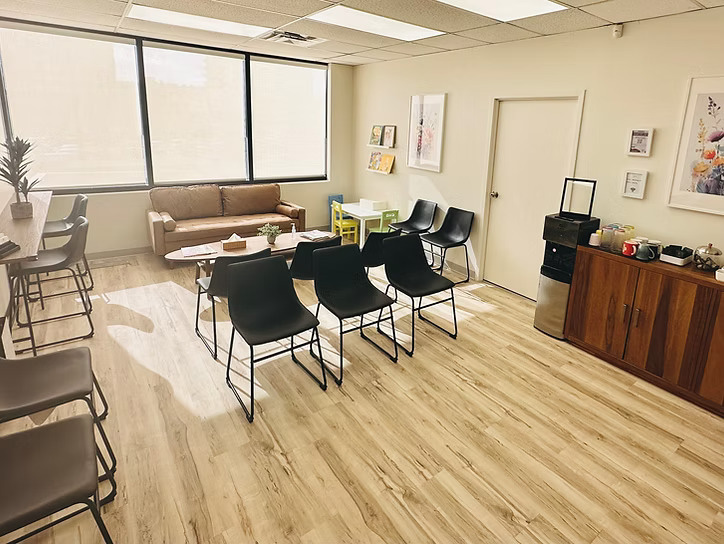
Our thoughtfully designed counselling spaces are crafted to create a warm, welcoming environment where you can feel completely at ease.
Get Started With Solasta in Three Easy Steps
Find Your Therapist
Book Online
Choose a date and time that fits your schedule and receive instant confirmation of your appointment.
In-person or Online
Visit our welcoming Calgary office or meet with your therapist online from the comfort of your home.
FAQs
My teenager doesn't want to come. What should I do?
Resistance is one of the most common things parents tell us before a first session — and it rarely means therapy won’t work. Teenagers are often resistant because they assume therapy means talking to someone who will report back to their parents, judge them, or tell them what to do. None of those things are true at Solasta. It can help to frame therapy as their space, not a consequence or punishment, and to be upfront that confidentiality is a real part of how it works. A free consultation call with our admin team can help you figure out how to have that conversation with your teenager before the first appointment.
What age is teen therapy for at Solasta?
Our teen therapists work with young people aged 13 to 17. For children under 13, we offer child therapy with approaches tailored to younger age groups. For young adults 18 and over, our adult counselling services are available. If you’re unsure which is the right fit for your teenager’s age or situation, call us and we’ll help you figure it out.
What issues can teen therapy help with?
Teen therapy at Solasta can help with a wide range of concerns including anxiety, social anxiety, panic attacks, depression, low mood, academic stress and burnout, identity questions including gender and sexuality, social media pressure, eating and body image concerns, trauma, ADHD-related difficulties, grief and loss, family conflict, self-harm, and relationship difficulties with peers or family members. If you’re not sure whether what your teenager is experiencing warrants therapy, a consultation call is a good starting point — there’s no obligation and no referral required.
Will my teenager actually open up to the therapist?
Usually yes — but not always immediately, and that’s completely normal. Most teenagers who are initially closed off do open up over time, often because they’ve never had a genuinely private space where the conversation isn’t going straight back to their parents or teachers. Our therapists are experienced at working with reluctant teenagers and building trust without pressure or confrontation. The first few sessions are often about establishing that relationship rather than diving straight into the presenting concern.
How does confidentiality work in teen therapy?
Confidentiality in teen therapy works differently from adult therapy, and we explain this clearly at the first session with the whole family present so there are no surprises. Most of what your teenager discusses with their therapist stays between them — that privacy is what allows teenagers to be honest about things they might not otherwise share. The exception is safety: if something comes up that raises a concern about your teenager’s immediate wellbeing, that will be shared with you. Parents receive regular updates on progress and themes, but not a transcript of what was said.
How much does teen therapy cost in Calgary?
Please visit our fees page for current rates. Sessions with registered psychologists and provisional psychologists are covered by most extended health benefit plans — check with your insurance provider for your specific coverage and annual limits. No referral from a doctor or school is required to access therapy at Solasta.