
Mental Health Resources
There’s a lot of mental health information out there, and finding something genuinely useful can be surprisingly difficult. We’ve gathered some books, podcasts, apps, tools, and other resources that our team thinks clients may find interesting, practical, or thought-provoking.
This isn’t intended to be a clinical reading list, and you certainly don’t need to work your way through everything here. Some resources are closely grounded in psychological research, while others offer practical ideas, personal perspectives, or lived experience.
Explore whatever feels relevant to you — whether you’re interested in anxiety and stress, grief, relationships, personal growth, autism, ADHD, mindfulness, or simply understanding yourself a little better.

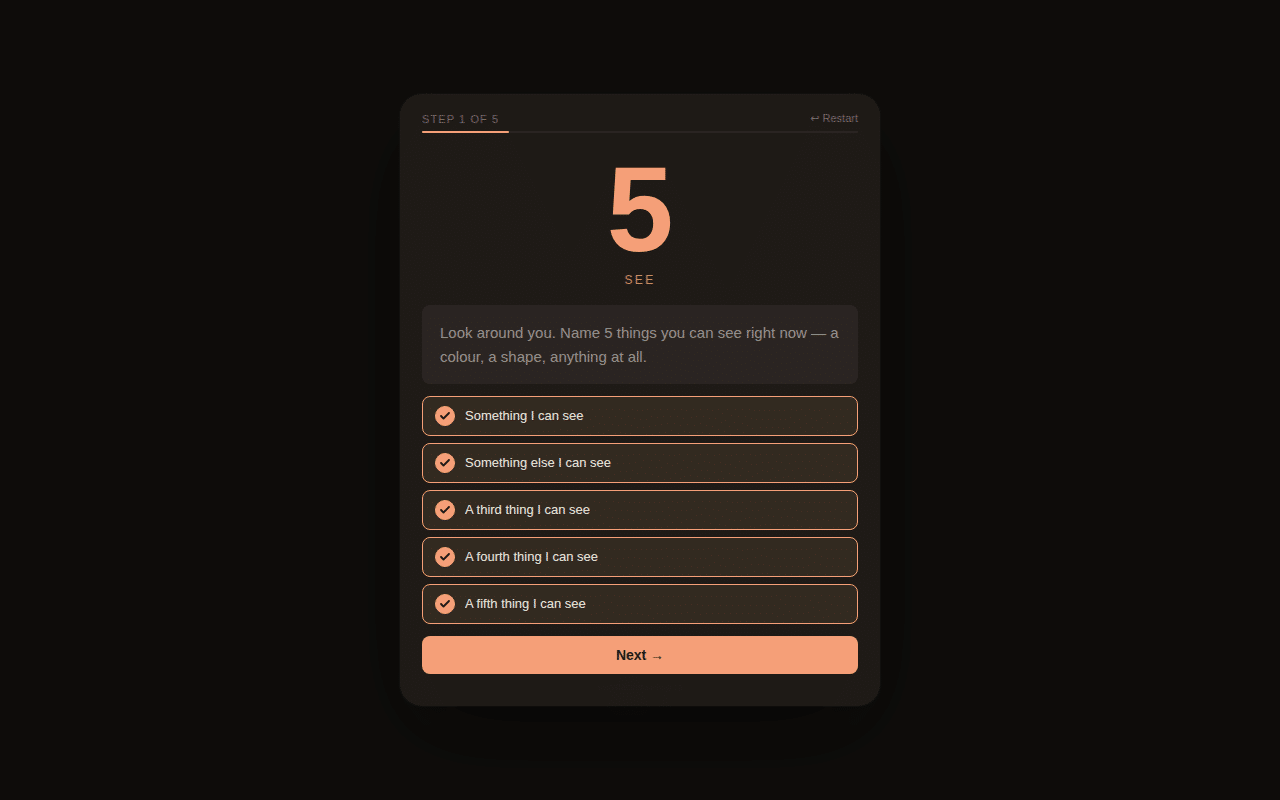
5-4-3-2-1 Grounding
When anxiety or stress spikes, sometimes it helps to have something simple to focus on.
The 5-4-3-2-1 grounding technique uses your five senses to bring your attention back to what’s happening around you:
- 5 things you can see
- 4 things you can touch or feel
- 3 things you can hear
- 2 things you can smell
- 1 thing you can taste
We created a free browser tool that walks you through the exercise step by step, so it’s easy to access when you need it.
Recommended Reading

Anxiety & Stress
Dare — Barry McDonagh
An accessible, practical approach to responding differently to anxiety, panic, and uncomfortable physical sensations.
The Anxiety and Phobia Workbook — Edmund Bourne
A comprehensive workbook with exercises and strategies for understanding and managing anxiety.
When the Body Says No — Gabor Maté
An exploration of stress, emotional patterns, relationships, and physical health. Thought-provoking, although some of its claims go beyond what current research can firmly establish.
Rewire Your Anxious Brain — Catherine Pittman & Elizabeth Karle
A readable introduction to the brain systems involved in anxiety and why anxiety can sometimes feel automatic and difficult to control.
First, We Make the Beast Beautiful — Sarah Wilson
A personal exploration of living with anxiety that combines memoir, interviews, research, and practical reflections.
Grief & Loss
It’s OK That You’re Not OK — Megan Devine
A compassionate look at grief that challenges the idea that grieving is something people simply need to “get over.”
The Year of Magical Thinking — Joan Didion
A deeply personal memoir about grief following the sudden death of Didion’s husband.
Option B — Sheryl Sandberg & Adam Grant
A combination of personal experience and psychological research examining grief, resilience, and rebuilding life following loss.
Relationships
Hold Me Tight — Sue Johnson
An accessible introduction to Emotionally Focused Therapy and the role that attachment, emotional safety, and connection can play in intimate relationships.
The Seven Principles for Making Marriage Work — John Gottman & Nan Silver
Practical ideas for strengthening relationships based on decades of research into couples and relationship patterns.
Attached — Amir Levine & Rachel Heller
A popular introduction to adult attachment styles and how they may show up in romantic relationships. Useful as a starting point rather than a complete account of attachment theory.
Nonviolent Communication — Marshall Rosenberg
A framework for communicating needs, listening more effectively, and approaching conflict with greater empathy.
Mating in Captivity — Esther Perel
An exploration of intimacy, desire, familiarity, and sexuality within long-term relationships.
Self-Understanding & Personal Growth
The Gifts of Imperfection — Brené Brown
Reflections on vulnerability, shame, authenticity, and letting go of unrealistic expectations of ourselves.
Atlas of the Heart — Brené Brown
An exploration of emotions and the language we use to understand and communicate our internal experiences.
The Body Keeps the Score — Bessel van der Kolk
A widely read exploration of trauma and its psychological and physical effects. It has been influential in public conversations about trauma, although some of its broader claims and proposed treatments remain debated.
Self-Compassion — Kristin Neff
An accessible introduction to self-compassion and ways of responding to difficulty and perceived failure with less self-criticism.
Man’s Search for Meaning — Viktor Frankl
Frankl’s reflections on suffering, meaning, responsibility, and the human capacity to find purpose in extremely difficult circumstances.
Podcasts
Sometimes listening is easier than reading. These podcasts cover psychology, relationships, wellbeing, mental health, and the experiences of people navigating difficult periods in their lives.
The Happiness Lab
Yale professor Laurie Santos explores research on happiness, behaviour, decision-making, and the sometimes surprising things that influence wellbeing.
Unlocking Us
Brené Brown discusses vulnerability, courage, relationships, emotions, and human connection with a wide range of guests.
Ten Percent Happier
Conversations about meditation, mindfulness, psychology, and practical ways of managing the mind without requiring you to become a meditation enthusiast.
Therapy Chat
Conversations about psychotherapy, trauma, attachment, relationships, and emotional wellbeing.
The Hilarious World of Depression — Archive
An entertaining and often moving series in which comedians and other guests spoke candidly about their experiences with depression. The podcast is no longer producing new episodes, but its archive remains available.
We Can Do Hard Things
Glennon Doyle, Amanda Doyle, and Abby Wambach discuss relationships, identity, parenting, change, loss, and the complicated parts of being human.
Where Should We Begin? with Esther Perel
Recorded and anonymized therapy sessions that offer a fascinating window into relationships, conflict, intimacy, and the conversations couples often struggle to have.

Autism & ADHD
Learning that you are autistic or have ADHD as an adult can sometimes change the way you understand years of experiences that previously seemed unrelated.
The resources below aren’t only for people with a formal diagnosis. They may also be interesting for people exploring neurodivergence, waiting for an assessment, supporting a family member, or simply trying to understand their own patterns of attention, sensory experience, social interaction, energy, and executive functioning.
Some focus on research and clinical ideas, while others are written from lived experience. Both perspectives can be valuable.
Reading
Unmasking Autism — Devon Price
Explores masking, identity, burnout, and the experiences of autistic people whose differences may have gone unnoticed or misunderstood for many years.
Divergent Mind — Jenara Nerenberg
Focuses particularly on neurodivergent women and people whose autism, ADHD, sensory differences, or other forms of neurodivergence may not fit traditional stereotypes.
Driven to Distraction — Edward Hallowell & John Ratey
A longstanding and accessible introduction to ADHD and the different ways it can affect everyday life.
NeuroTribes — Steve Silberman
A detailed history of autism, autism research, the neurodiversity movement, and changing ideas about what it means to be autistic.
Odd Girl Out — Laura James
A memoir about receiving an autism diagnosis in adulthood and reconsidering earlier experiences through that new understanding.
ADHD 2.0 — Edward Hallowell & John Ratey
A contemporary overview of ADHD with practical ideas for managing attention, motivation, relationships, and everyday functioning.
Podcasts
Divergent Conversations
Dr. Megan Neff and Patrick Casale explore autism, ADHD, AuDHD, masking, burnout, relationships, identity, and late identification from both professional and lived-experience perspectives.
ADHD reWired
Conversations and practical strategies focused on living with ADHD, executive functioning, productivity, relationships, and everyday challenges.
Autism Adulthood
Discussions about navigating adult life as an autistic person, including relationships, work, communication, sensory needs, and self-understanding.
Translating ADHD
ADHD coaches explore the patterns behind ADHD difficulties and practical ways of approaching attention, motivation, emotions, and executive functioning.
Apps & Tools
Apps won’t replace therapy or assessment, but the right tool can sometimes make one particular part of everyday life a little easier.
Tiimo
A visual daily planner designed with neurodivergent users in mind. It can be useful for routines, time awareness, planning, reminders, and breaking the day into manageable steps.
Forest
A simple focus tool that turns staying away from your phone into a game: remain focused and your virtual tree grows; leave the app and you risk losing it.
Focus Keeper
A straightforward focus timer based on timed periods of work and breaks. Useful for people who find it easier to start a task when they only have to commit to a short period of focused work.

General Apps & Tools

Apps aren’t a replacement for therapy, but they can be useful for practising skills between sessions, building routines, tracking patterns, improving sleep, or simply creating a little more space in a busy day.
MindShift CBT
A free anxiety-management app from Anxiety Canada. It includes CBT-based tools for worry, panic, social anxiety, perfectionism, and other common anxiety difficulties, along with exercises for challenging unhelpful thinking and gradually facing fears.
Calm
A popular meditation and relaxation app with guided meditations, breathing exercises, sleep stories, music, and other resources designed to support relaxation and sleep.
Headspace
Guided mindfulness and meditation exercises covering stress, sleep, focus, anxiety, and general wellbeing. Its structured courses can be helpful for people who are interested in mindfulness but aren’t quite sure where to begin.
Insight Timer
A large library of guided meditations, music, sleep resources, breathing exercises, and mindfulness content. A substantial amount of its content is available for free, making it a good option if you want to experiment with different approaches or teachers.
Daylio
A simple mood and activity tracker that lets you record how you’re feeling and what you’ve been doing without having to write a full journal entry. Over time, it can help you notice patterns between mood, sleep, activities, relationships, exercise, and other parts of daily life.
Finch
A self-care and habit-building app built around looking after a small virtual pet. It combines goals, routines, reflections, breathing exercises, and other wellbeing activities in a playful format that can make everyday self-care feel a little less like another item on the to-do list.
How We Feel
A free emotional wellbeing app designed to help people identify and describe what they’re feeling. It includes a detailed emotion vocabulary, brief reflections, and strategies for responding to different emotional states.
Bearable
A tracking app that allows you to record mood, energy, sleep, symptoms, habits, medications, and other factors in one place. It can be useful for people trying to understand patterns in how they feel and what might be contributing to better or more difficult days.
Reflectly
A guided journaling and mood-tracking app for reflecting on emotions, experiences, and patterns over time. It may appeal particularly to people who like the idea of journaling but find a completely blank page difficult to start with.
Breathe2Relax
A straightforward tool for practising diaphragmatic breathing and using breathing exercises to manage stress. It’s deliberately simple, which can be an advantage when you want a breathing exercise rather than an app with dozens of additional features.
CBT-i Coach
A free app developed to support strategies used in Cognitive Behavioural Therapy for Insomnia. It includes sleep education, relaxation exercises, sleep tracking, and tools for developing healthier sleep habits. It can be useful alongside professional treatment, although it isn’t intended to replace treatment for persistent sleep problems.
Goblin Tools
A collection of simple tools that can be particularly useful when executive functioning is getting in the way. Its best-known feature can break a vague or overwhelming task into smaller, more manageable steps, and other tools can help with estimating how long tasks might take or adjusting the tone of written communication.
Smiling Mind
A mindfulness and wellbeing app developed by an Australian nonprofit organization. It offers guided programs for adults, children, families, schools, and workplaces, with many resources available for free.
Day One
A digital journaling app for people who prefer a more open-ended approach. Entries can include writing, photographs, and other details, making it useful for reflection, gratitude practices, or simply keeping track of experiences over time.
Medito
A free meditation and mindfulness app from the nonprofit Medito Foundation. It includes guided meditations, introductory courses, breathing exercises, sleep content, and longer meditation practices without requiring a paid subscription for its core library.
A Note About Mental Health Resources
Books, podcasts, websites, and apps can be excellent ways to learn more about yourself, discover new perspectives, or pick up practical strategies. They also vary considerably in the quality of their evidence and won’t necessarily be a good fit for everyone.
We encourage a little healthy skepticism. You don’t have to agree with everything an author, podcast host, or app tells you for a resource to be useful.
If something you read or hear raises questions about your own mental health, you can always bring it into therapy and talk it through with your psychologist or counsellor.
Looking For Some Support?
Resources like these can be a helpful place to start, but sometimes it helps to talk things through with someone.
Solasta Counselling offers counselling and psychological assessment in Calgary, as well as online services across Alberta. If you’re not sure what kind of support would be the best fit, you can start with a free 20-minute consultation.
CAP
All of our psychologists are registered with the College of Alberta Psychologists.
PAA
Many of our psychologists are members of the Psychologists’ Association of Alberta.
CCPA
Many of our psychologists are members of the Canadian Counselling and Psychotherapy Association.
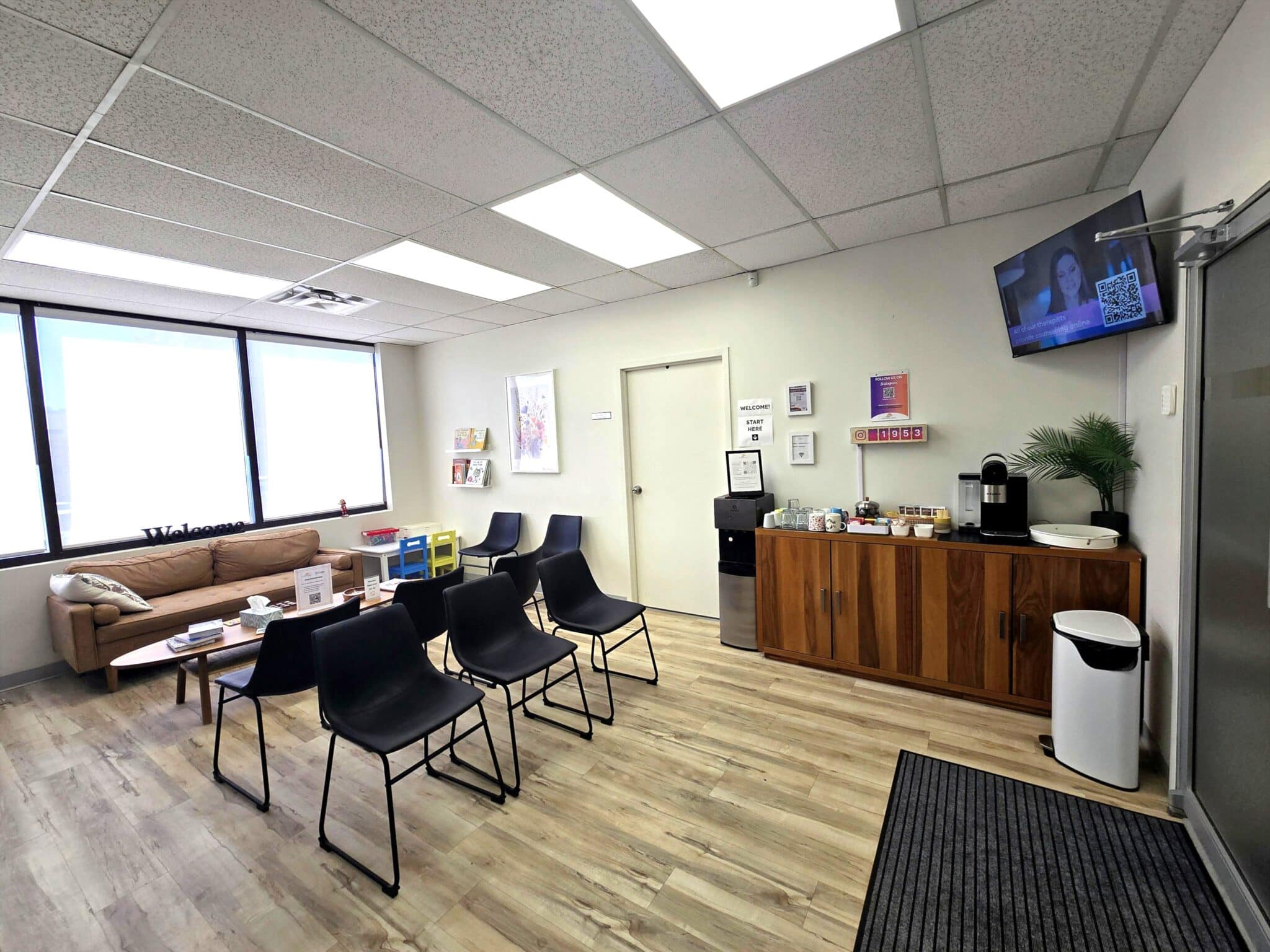
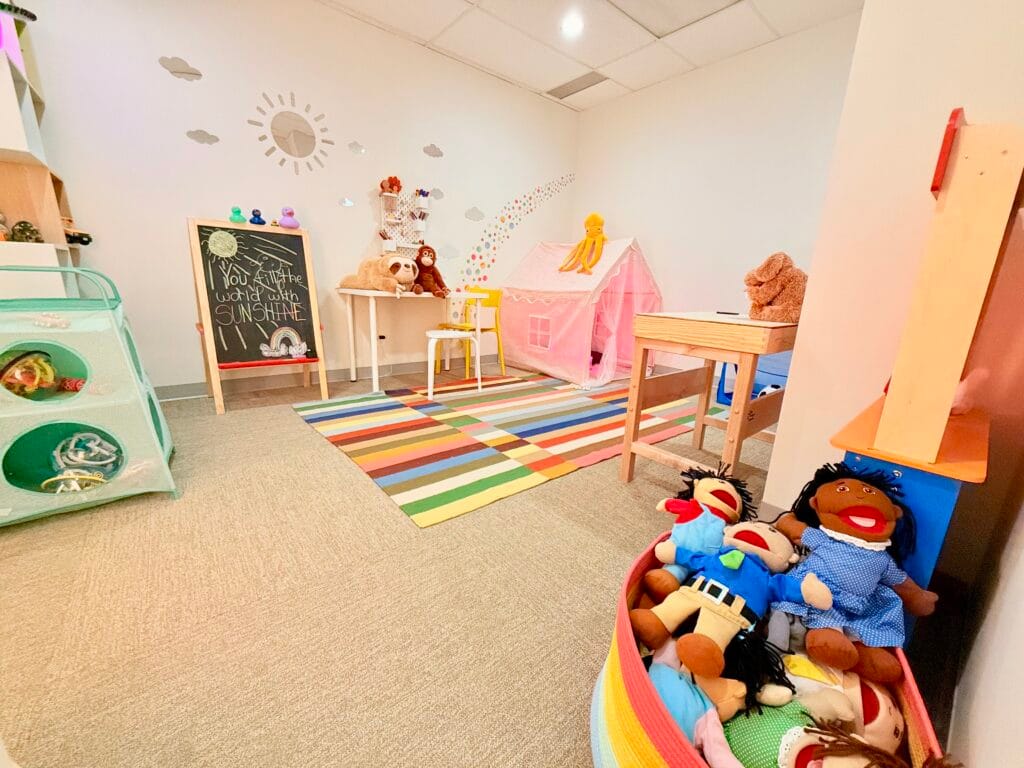
Our Calgary Office Space
Our thoughtfully designed counselling spaces are crafted to create a warm, welcoming environment where you can feel completely at ease.






Get Started With Solasta in Three Easy Steps
Find Your Therapist
Book Online
Choose a date and time that fits your schedule and receive instant confirmation of your appointment.
In-person or Online
Visit our welcoming Calgary office or meet with your therapist online from the comfort of your home.