

Chronic Pain & Chronic Illness Counselling in Calgary

Living with a chronic illness or ongoing pain affects more than your body. It can wear down your energy, your patience, your relationships, your sense of who you are, and your hope that things will get better — especially after months or years of appointments, treatments, and a diagnosis that isn’t going away.


At Solasta, our psychologists and therapists provide chronic pain and chronic illness counselling in Calgary to help you manage the psychological and emotional toll of living with ongoing pain, a cancer diagnosis, an autoimmune or fatigue-based condition, or any long-term health condition — alongside, not instead of, your medical care.


Treatment draws on evidence-based approaches including Acceptance and Commitment Therapy (ACT) and CBT for chronic pain and illness, along with support for the grief, identity shifts, and relationship strain that often come with serious or long-term illness. Sessions are available in person at our NW Calgary office or online across Alberta.

chronic pain and chronic illness counselling calgary

What Is Chronic Pain and Chronic Illness Counselling, and How Does It Help?

Chronic pain and chronic illness are often treated as purely medical problems, but the psychological weight of living with them — day after day, often without a clear resolution in sight — is just as real and just as worth treating directly. This isn’t about convincing you your symptoms are “in your head,” and it isn’t a replacement for medical or oncology treatment. It’s support for the parts of the experience that medical treatment alone doesn’t address: the fear and uncertainty of a cancer diagnosis or treatment, the frustration of a long path to diagnosis, the grief of a body or a life that doesn’t work the way it used to, and the exhaustion of explaining and re-explaining your condition to people who can’t fully understand it.

Illness and the nervous system are closely linked — stress, anxiety, and low mood can all amplify how pain and fatigue are experienced, and a chronic or serious diagnosis in turn tends to increase stress and anxiety, creating a cycle that’s hard to interrupt from either direction alone. This isn’t a claim that illness is caused by stress; it’s an acknowledgment that the two interact, and that treating the psychological side can meaningfully affect how symptoms are experienced and managed, even when the underlying physical cause remains unchanged.

Much of this work draws on Acceptance and Commitment Therapy (ACT), an approach specifically well-supported for chronic pain, cancer, and chronic illness. Rather than focusing on eliminating symptoms — which isn’t always realistic — ACT focuses on reducing the struggle against what can’t currently be changed and rebuilding a life with meaning and function alongside it. This is a genuinely different goal than most people expect from therapy for a physical condition, and for many people, it’s the piece that’s been missing from purely medical treatment.

Diagnostic delays, difficult treatment decisions, and dismissive experiences with the medical system are common with chronic and serious illness, and they leave their own mark — a kind of chronic frustration, self-doubt, or mistrust that’s worth acknowledging directly rather than working around.

chronic pain and chronic illness counselling calgary

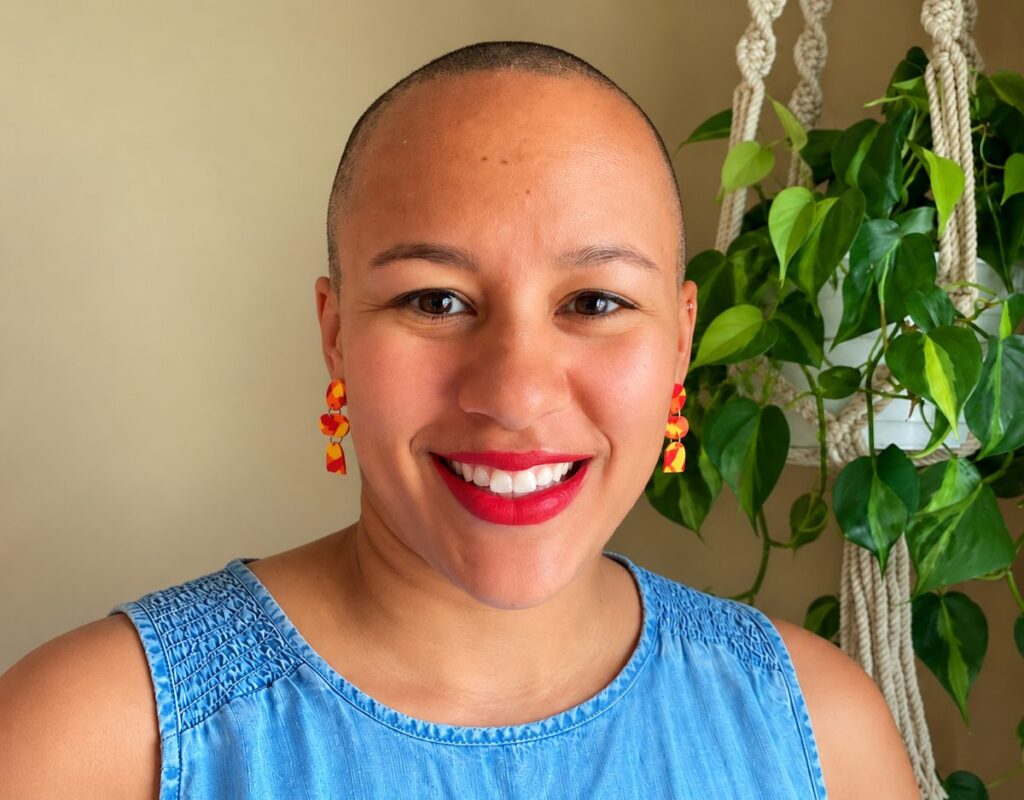
Our Calgary Chronic Pain and Chronic Illness Therapists

Our team includes psychologists and therapists experienced in supporting clients with chronic pain, cancer and other serious diagnoses, chronic illness, and the emotional impact of long-term health conditions, using evidence-based approaches including ACT and CBT.

Signs Chronic Pain or Chronic Illness Counselling Might Help

chronic pain and chronic illness counselling calgary

Living with chronic pain or a chronic illness affects people differently. If several of these patterns sound familiar, counselling can help you carry the psychological side of this alongside your medical care.

Persistent Low Mood or Hopelessness

A sense that things won’t improve, especially after a difficult diagnosis or multiple treatments that haven’t fully resolved things, which can shade into depression over time if it isn’t addressed directly.

Anxiety Around Symptoms, Scans, or Flare-Ups

Ongoing worry about test results, follow-up scans, the next flare-up, or disease progression, along with the mental load of constantly monitoring your body for warning signs.

Grief for Your Previous Life

Mourning the activities, work, hobbies, or version of yourself that existed before your diagnosis — a real loss that often goes unacknowledged because nothing “died,” but a great deal has still changed.

Identity and Self-Worth Struggles

Feeling like a burden, feeling less capable or less “yourself,” or struggling with an identity that’s become defined by illness or limitation rather than by who you actually are.

Strain on Relationships

Tension with a partner, family, or friends around limitations, missed plans, misunderstood symptoms, or the imbalance that can develop when one person is consistently more limited than the other.

Medical Fatigue and Mistrust

Exhaustion from years of appointments, tests, and treatment — sometimes compounded by dismissive experiences with providers — leaving a kind of chronic frustration that’s separate from the illness itself but closely tied to it.

Who Benefits from Chronic Pain and Chronic Illness Counselling

Living with an ongoing pain condition. Fibromyalgia, chronic back or joint pain, migraines, arthritis, nerve pain, and other conditions where pain is a long-term reality rather than something expected to fully resolve.

Navigating a cancer diagnosis or treatment. Support through diagnosis, active treatment, remission, and survivorship — the fear, uncertainty, and identity shifts that come with cancer at any stage.

Navigating a chronic illness more broadly. Autoimmune conditions, chronic fatigue, long COVID, and other conditions where fatigue, uncertainty, and functional limitation are central — not pain alone.

Adjusting to disability or reduced function. Processing what’s changed in what your body can reliably do, and rebuilding a life and identity that account for that honestly.

Managing the emotional toll of diagnosis delays or difficult decisions. Support for the frustration, self-doubt, and exhaustion that come with a long path to diagnosis, or with weighing difficult treatment options.

Relationship and family strain. Working through how illness is affecting a marriage, family roles, or friendships — for the person living with the condition, or their partner or family member.

Alongside active medical treatment. Many clients are also working with physicians, oncologists, physiotherapists, or pain specialists — counselling complements that care rather than replacing it.

chronic pain and chronic illness counselling calgary

What to Expect in Chronic Pain and Chronic Illness Counselling at Solasta

Solasta Counselling Calgary - therapy and psychological services

Initial Consultation

A short consultation call gives you space to describe your condition, your history with it, and what’s actually weighing on you most right now — whether that’s the physical symptoms, the emotional toll, relationship strain, or all of it. Sessions are available in person at our NW Calgary office or online across Alberta.

Understanding Your Experience

Early sessions focus on understanding your specific situation — your diagnosis history, what treatments you’ve tried or are considering, how the illness affects your daily life, and what’s changed since it started — since chronic and serious illness looks different for every person and every condition.

Building Practical and Acceptance-Based Skills

From there, work often draws on ACT and CBT: reducing the mental struggle against symptoms or diagnosis, building psychological flexibility, addressing unhelpful thought patterns around flare-ups, scans, or prognosis, and reconnecting with values and activities that still matter, adapted as needed.

Ongoing Support

Chronic and serious illness often fluctuates — through treatment, remission, or disease progression — and support typically continues to adapt with it, through the ongoing work of building a life that isn’t defined by illness, even when the illness itself remains part of the picture.

CAP

All of our psychologists are registered with the College of Alberta Psychologists.

PAA

Many of our psychologists are members of the Psychologists’ Association of Alberta.

CCPA

Many of our psychologists are members of the Canadian Counselling and Psychotherapy Association.

FAQs

Medical treatment — medication, physiotherapy, oncology care, procedures — targets the condition itself. This counselling addresses the psychological and emotional side: the fear, grief, identity shifts, and relationship strain that come with living with pain or illness long-term. The two work alongside each other rather than in place of one another.

Acceptance and Commitment Therapy (ACT) is an evidence-based approach that’s particularly well-supported for chronic pain, cancer, and chronic illness. Rather than focusing primarily on eliminating symptoms — which isn’t always medically achievable — ACT focuses on reducing the psychological struggle against what can’t currently be changed and helping you rebuild a life with meaning and function alongside it.

No. This counselling doesn’t question the physical reality of your condition — it addresses the genuine psychological toll of living with a real physical condition, which is a separate and equally legitimate thing to treat. This work is meant to complement your medical care, not to reframe your condition as “in your head.”

Yes. We support clients through diagnosis, active treatment, remission, and survivorship, including the fear, uncertainty, and identity questions that come with cancer at any stage. This is alongside your oncology care, not a replacement for it.

Yes. The same approaches apply to chronic illness broadly — fatigue-based conditions, autoimmune disease, long COVID, and other conditions involving uncertainty, functional limitation, and a long medical journey, whether or not pain is the primary symptom.

Most extended health benefits plans cover psychological and counselling services, though coverage amounts and eligible provider types vary by plan. We also offer direct billing where available. Visit our fees page for details, or ask us directly when you reach out.

Yes. Sessions are available online across Alberta as well as in person at our NW Calgary office, which can be especially helpful on days when travel is difficult due to symptoms, treatment, or fatigue.

No referral or formal diagnosis is required. Many clients begin counselling while still in the process of being diagnosed, which is itself often a source of significant stress worth addressing directly.

It varies by person and condition. Some clients benefit from a focused course of ACT-based sessions to build specific skills; others, particularly those managing a fluctuating or progressive condition, find ongoing or intermittent support more useful — including through active cancer treatment and into survivorship. Your therapist will discuss what fits your situation.

In some cases, yes — chronic pain and illness often affect partners and family members significantly, and involving them can help address relationship strain directly. Ask about this during your consultation call, as it depends on the specific situation and therapist.

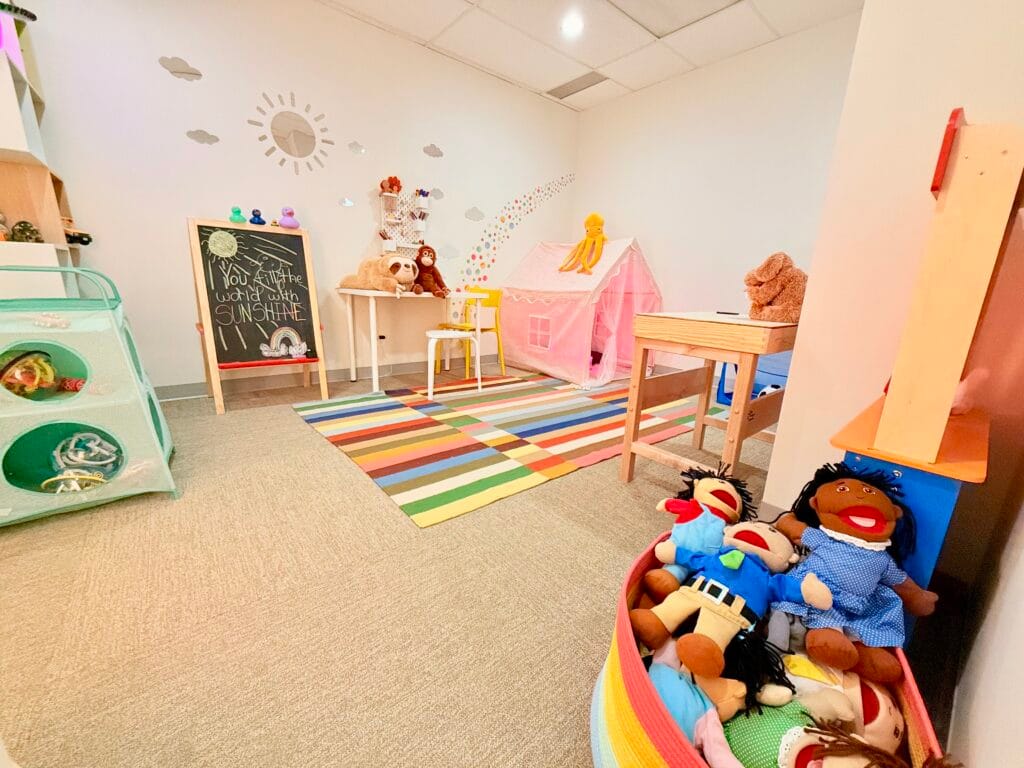
Our Calgary Office Space

Our thoughtfully designed counselling spaces are crafted to create a warm, welcoming environment where you can feel completely at ease.

Get Started With Solasta in Three Easy Steps

1

Find Your Therapist

2

Book Online

Choose a date and time that fits your schedule and receive instant confirmation of your appointment.

3

In-person or Online

Visit our welcoming Calgary office or meet with your therapist online from the comfort of your home.