



Adult Autism Assessments Calgary
Adult autism assessments at Solasta Counselling take 2–3 sessions plus report writing, with results typically ready in 3–5 weeks. The comprehensive assessment costs $3,250 and uses gold-standard tools (ADOS-2, ADI-R, MIGDAS-2). Assessments are often fully or partially reimbursable through extended health benefits. A free 20-minute consultation call is the first step — no referral required.
What is Autism Spectrum Disorder?
According to the DSM-5-TR, Autism Spectrum Disorder is characterized by persistent differences in social communication and interaction, alongside restricted or repetitive patterns of behaviour, interests, or activities. In adults, this can show up as:
- Difficulty with back-and-forth conversation, or with reading unspoken social rules
- Years spent masking or consciously studying and rehearsing social behaviour
- Strong, focused interests that provide comfort or structure
- Sensory sensitivities — to sound, light, texture, or touch — that affect comfort or focus
- A need for routine, and real difficulty with unexpected change
- Exhaustion from “keeping up” socially, especially at work or in groups
- A lifelong sense of being different, without a clear explanation why
These signs don’t confirm a diagnosis on their own — that’s what the assessment is for — but they’re the most common reasons adults reach out to us.
Questions About Adult Autism Assessments
How do I get an autism diagnosis as an adult in Calgary?
Adults in Calgary can get an autism diagnosis either through the public system (a family doctor referral to a psychiatrist, with wait times often 1–3+ years) or through a private registered psychologist, which is faster and self-referred — no doctor’s referral required. At Solasta, you can book a free 20-minute consultation directly, without needing a referral from anyone.
How do I prepare for an autism assessment?
Bring anything that documents your early development if you have it — childhood report cards, old school or medical records, or notes from a parent or sibling about what you were like as a child. If these aren’t available, that’s okay; adult assessments are designed to work well from self-report and current-day observation alone.
What assessments are used to diagnose autism in adults?
Solasta uses gold-standard, evidence-based diagnostic tools including the ADOS-2 (Autism Diagnostic Observation Schedule), the ADI-R (Autism Diagnostic Interview-Revised), and the MIGDAS-2, which is specifically designed to reduce the sensory and social demands of the assessment process itself.
How much does an adult autism assessment cost in Calgary?
A comprehensive adult autism assessment at Solasta costs $3,250. If a less formal assessment is sufficient, the cost is charged hourly up to that same maximum. Fees are confirmed in full during your free consultation call before anything is booked.
How long does an adult autism assessment take?
A comprehensive adult autism assessment at Solasta typically involves 2–3 sessions plus report writing, with the full process taking 3–5 weeks from your first session to receiving your written report.
Do I need a doctor’s referral to get assessed for autism as an adult?
No. Private psychologist assessments, including those at Solasta, don’t require a referral from a family doctor or anyone else — you can book a free consultation call directly.
Do I need a doctor’s referral to get assessed for autism as an adult?
No. Private psychologist assessments, including those at Solasta, don’t require a referral from a family doctor or anyone else — you can book a free consultation call directly.
Are autism assessments covered by insurance in Alberta?
Autism assessments are not covered publicly, but many extended health benefit plans partially reimburse the cost when the assessment is conducted by a registered psychologist. Coverage varies significantly by plan, so we recommend checking your specific policy before booking.
How Much is an Autism Assessment in Calgary?
We know that cost is an important part of your decision, and we want to be upfront about it. Adult autism assessments at Solasta Counselling in Calgary are comprehensive multi-session processes involving clinical interviews, standardised assessment tools, scoring, and a detailed written report — which is reflected in the investment involved.
Adult autism assessments at Solasta start from $3,250. For full pricing details, visit our fees page. If you have questions about what’s included or want to talk through your options before committing, our free consultation call is a great place to start — there’s no obligation, and we’re happy to answer any questions you have.
To put the cost in context: the Alberta public system wait for an adult autism assessment can exceed two to three years. A private assessment at Solasta means answers within weeks rather than years. Depending on the outcome of the assessment, some people may be eligible to apply for Disability Tax Credit. We’re happy to discuss this further on your free consultation call.
Signs of Autism in Adults
If you recognize these characteristics in yourself, an autism assessment can offer valuable insight and guide you toward understanding your unique experiences.
- Social differences. You understand social rules intellectually, but applying them in real time feels like translating on the fly. Socializing drains you, even when you value connection.
- Sensory sensitivities. Sounds, textures, lights, or smells that others don’t notice can feel overwhelming. You’ve likely built quiet workarounds — headphones, certain fabrics, avoiding certain places.
- Routines and predictability. Small unexpected changes can feel disproportionately distressing. Routine isn’t rigidity — it’s how you function.
- Intense interests. Deep, sustained interests that bring real joy — sometimes downplayed in settings where they aren’t shared.
- Communication differences. You prefer direct, literal language. Sarcasm and unspoken rules can be genuinely confusing. Writing may feel easier than speaking.
- Masking and exhaustion. Years of consciously mimicking “normal” social behaviour — often leading to burnout, anxiety, and losing touch with who you are underneath it.
Routines and Predictability
Unexpected changes — even small ones — can be disproportionately distressing. You rely on routines not out of rigidity but because predictability allows you to function. When plans change at the last minute or your environment shifts unexpectedly, the resulting anxiety or irritability can feel outsized compared to the situation.
Intense Interests
You have areas of deep, sustained interest that bring genuine joy and absorb significant time and energy. These interests may shift over time or remain constant for years. While they’re a source of strength and satisfaction, you may have learned to downplay them in social settings where they aren’t shared.
Communication Differences
You may prefer direct, literal communication and find indirect or ambiguous language frustrating. Sarcasm, subtext, and unspoken social rules can be genuinely confusing. You may find it easier to communicate in writing than verbally, or to connect with people one-on-one rather than in groups.
Sensory Sensitivities
Certain sounds, textures, lights, smells, or tastes may be overwhelming in ways that others don’t seem to notice or understand. You may have developed strategies to manage your environment — choosing certain clothing, avoiding particular settings, or using headphones in public — without necessarily connecting these adaptations to autism.
Social Differences
You understand the rules of social interaction intellectually, but applying them in real time feels like translating a foreign language on the fly. Conversations require conscious effort that others seem to manage effortlessly. After social events, you need significant time alone to recover — not because you don’t value connection, but because social engagement is genuinely draining in a way that’s hard to explain.
Masking and Exhaustion
Many autistic adults — particularly women — have become highly skilled at masking: consciously mimicking social behaviours, suppressing natural responses, and performing neurotypicality. This takes enormous energy and often leads to burnout, anxiety, and a persistent sense of not knowing who you really are beneath the performance
What to Expect from an Adult Autism Assessment
At Solasta Counselling, our autism assessments are tailored to your unique experiences, offering a safe and non-judgemental environment throughout the process.
Initial Consultation
Before the formal assessment begins, we schedule a consultation to understand your history, your reasons for seeking an assessment, and what you’re hoping to learn. This is also your opportunity to ask questions, understand the process, and ensure you feel comfortable with your clinician. There’s no obligation following this conversation.
Comprehensive Evaluation
Our assessments use gold-standard diagnostic tools including the ADOS-2 (Autism Diagnostic Observation Schedule, Second Edition), the ADI-R (Autism Diagnostic Interview-Revised), and the MIGDAS-2 (Monteiro Interview Guidelines for Diagnosing the Autism Spectrum). Tool selection is tailored to your individual presentation. Sessions typically span two to three appointments of approximately two to three hours each, conducted in a relaxed, non-clinical atmosphere.
Detailed Feedback
Once scoring and report writing are complete — typically three to four weeks after your final session — we meet with you to walk through the findings in plain language. If autism is identified, we explain what the diagnosis means for you specifically, not in general terms. We discuss your unique profile of strengths and challenges, and what comes next. You receive a comprehensive written report of 20 to 30 pages that documents everything.
Post-Diagnosis Support
Diagnosis is the beginning of a new conversation, not the end of one — see “Treatment and Support After a Diagnosis” below for what that looks like in practice.
Treatment and Support After a Diagnosis
A diagnosis is a beginning, not an endpoint. At Solasta in Calgary, we offer ongoing support tailored specifically to autistic adults — not generic therapy with autism mentioned as an afterthought, but genuinely neurodiversity-affirming care that starts from an understanding of how your brain actually works.
We focus on equipping you with the skills and resources to thrive in all areas of life. Our therapeutic approaches are tailored to meet your unique needs, and we offer personalized strategies to address specific challenges.
Here’s how we help:
Coping Strategies for Sensory Sensitivities
We work with you to identify your specific sensory profile and develop practical strategies to reduce overwhelm in your daily environment — at work, at home, and in social settings. This might include environmental modifications, grounding techniques, or tools and resources that make sensory management more sustainable.
Skills for Navigating Social Situations
Rather than teaching you to perform neurotypicality, we focus on helping you understand your own communication style and develop strategies that feel authentic. This includes boundary-setting, managing social energy, and building connections with people who appreciate you as you are.
Techniques for Managing Stress and Anxiety
Autistic burnout is real — the result of sustained masking, sensory overload, and social effort. We help you recognize the early signs of burnout, identify your personal triggers, and build sustainable rhythms that protect your capacity to function and thrive.
Tools to Enhance Emotional Regulation and Communication
Many autistic adults experience alexithymia — difficulty identifying and describing emotions — alongside intense emotional responses that can feel overwhelming or confusing to others. We use evidence-based approaches to help you understand your emotional landscape and communicate your needs more effectively.
External Resources for Ongoing Support
Calgary has a growing network of autism-specific supports for adults. We help you navigate what’s available — including Autism Calgary – advocacy organizations, support groups, and community programs — and direct you towards resources that match your specific needs and goals.
Common Myths About Autism in Adults
There are many misconceptions about autism, especially when it comes to adults. Let’s clear up a few of the most common myths:
Autism Isn’t Always Visible
Many autistic adults have learned to mask their traits so effectively that they go undiagnosed for years, despite real difficulty with social interaction, sensory sensitivity, or communication. The absence of visible signs doesn’t mean someone isn’t on the spectrum, and an assessment can uncover what’s been hidden behind years of practiced masking.
Autism Also Doesn’t Define What Someone is Capable Of
Many autistic adults bring genuine strengths — sharp attention to detail, deep focus, inventive problem-solving — that show up clearly in fields like technology, engineering, art, and research. Autism is a neurological difference, not a ceiling, and a diagnosis helps people build on their strengths as much as it helps address where they need support.
Autism Assessments Aren’t Just for Children
Adults who suspect they may be autistic often carry years of unanswered questions about their own behaviour and relationships — a diagnosis later in life can bring real clarity, better emotional regulation and self-advocacy, and access to supports specifically suited to adult needs at work, in relationships, and in daily life.
Why Choose Solasta Counselling in Calgary?
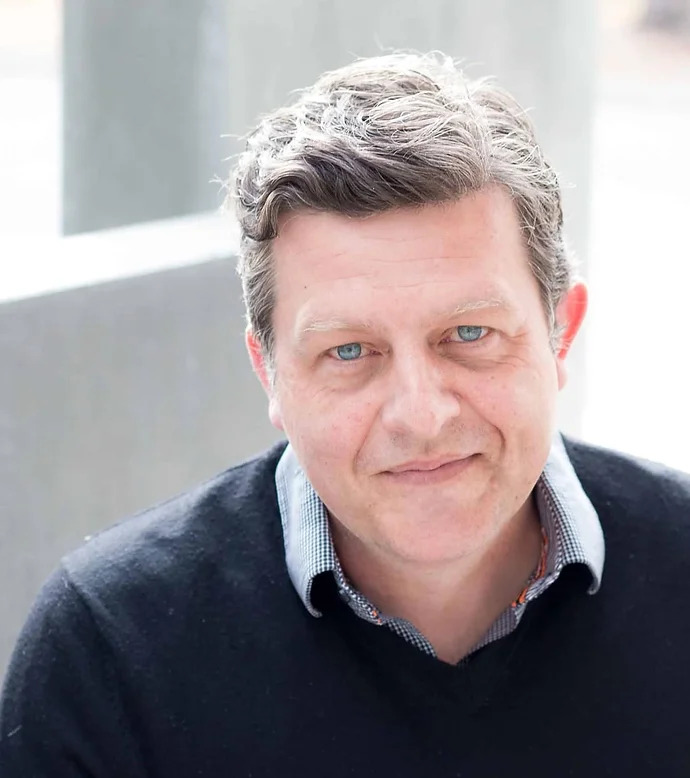
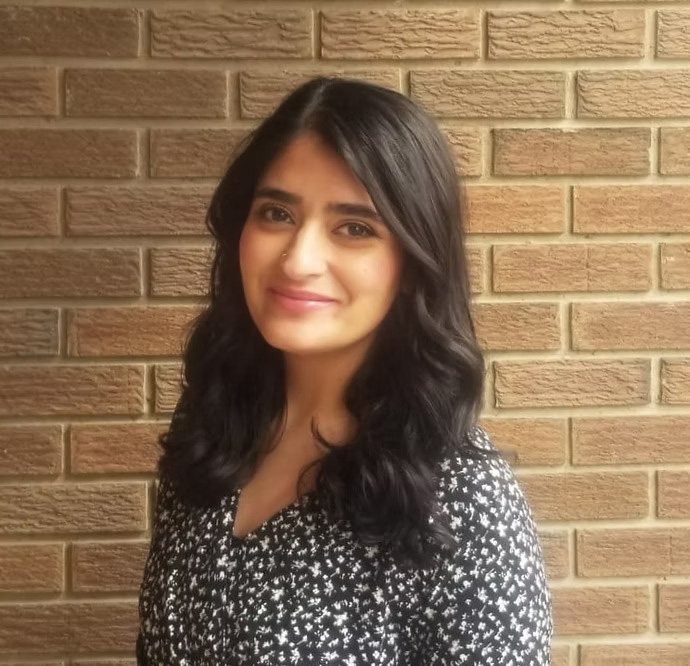
Autism assessments Calgary at Solasta are conducted by Scott McKirdy, MC, Registered Psychologist, alongside Dr. Gillian McKirdy, Psy.D., Sabrina Minor, Sarah Choudhry, Misha Waheed, and Randi Sager — each bringing the same depth of experience and expertise in understanding the unique needs of our clients.
Expertise in Neurodiversity
Our registered psychologists have specific experience working with autistic adults — not autism as a footnote to general practice, but as a genuine area of clinical focus. We use current, gold-standard diagnostic tools and approach neurodiversity from an affirming, strengths-based perspective. We understand masking, late diagnosis, and the particular experiences of adults who spent years without answers
Tailored Assessments
No two autistic people present the same way, and our assessments reflect that. Tool selection, session structure, and the pace of the process are adapted to your individual needs and presentation. This includes cultural context — Randi Sager offers assessments specifically adapted for Indigenous clients, recognizing that standard diagnostic tools were developed and normed on non-Indigenous populations and don’t always translate accurately across cultural context. We take the time to understand your history and your goals before the formal assessment begins, so the process is genuinely informative rather than just procedural.
Holistic Support
An autism diagnosis Calgary at Solasta doesn’t end with a report. We offer ongoing therapy specifically tailored to autistic adults, and our clinicians can support you through the practical and emotional dimensions of a new diagnosis — from understanding your profile to accessing accommodations, navigating relationships, and managing burnout. You don’t have to figure out the next steps alone.
Inclusive Environment
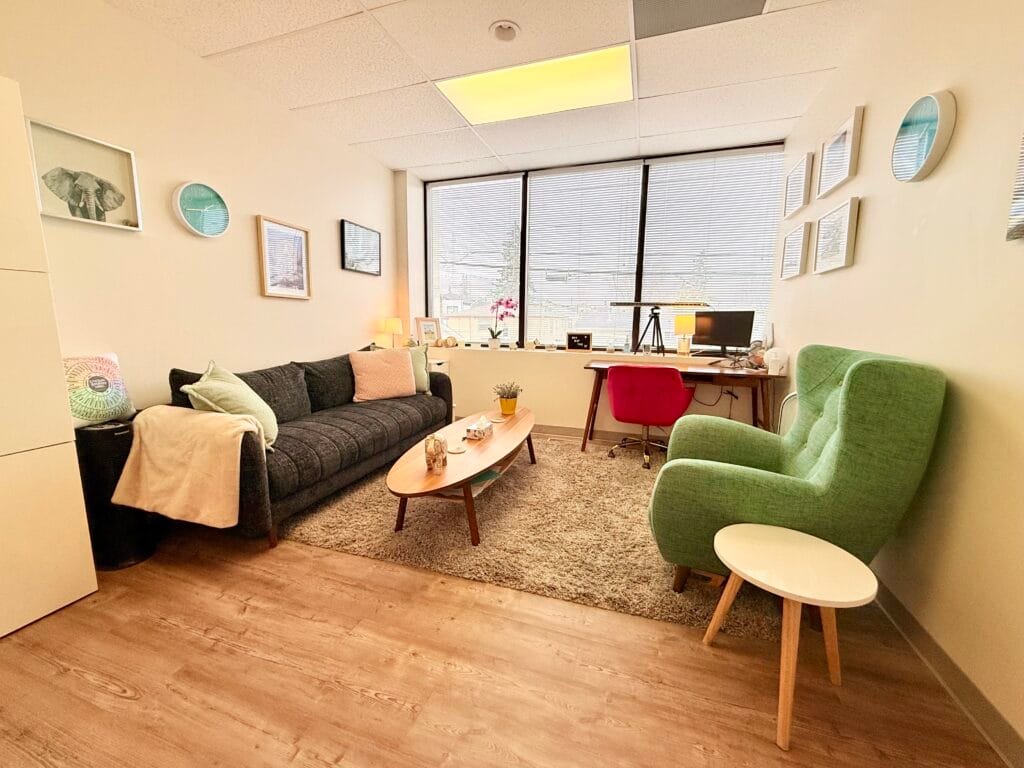
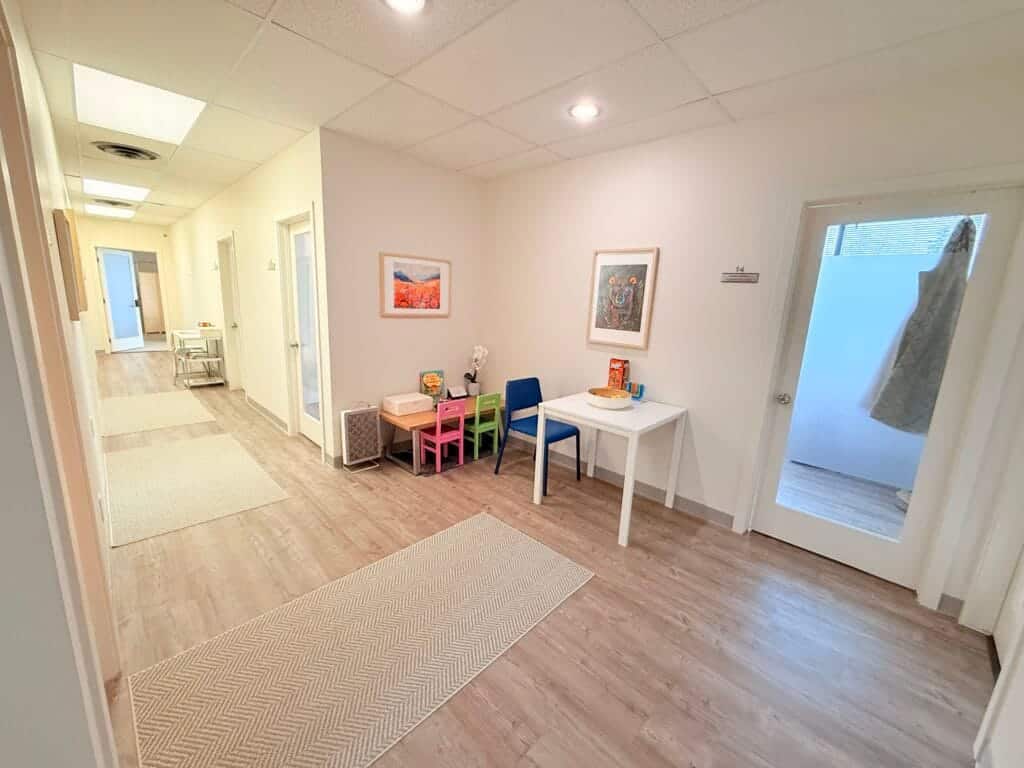
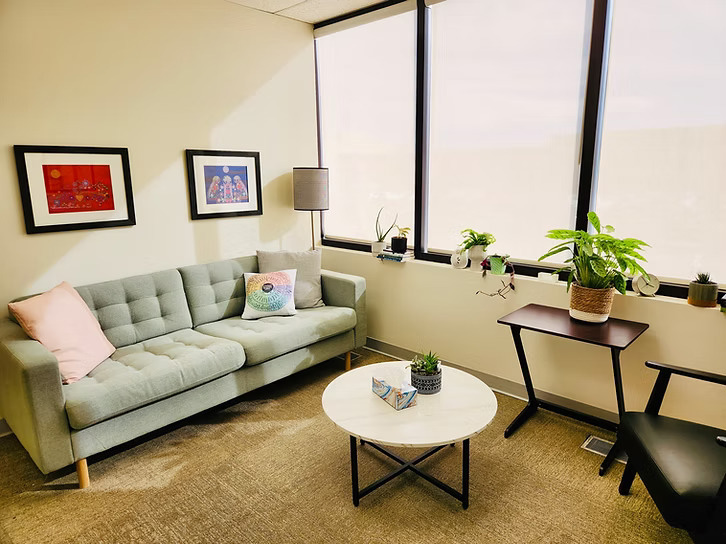
Our office and our approach are designed to be accessible and comfortable for people with sensory sensitivities, social anxiety, and communication differences. We communicate clearly and directly, avoid unnecessary social pressure, and create space for you to engage in the way that works best for you — whether that means taking breaks, communicating in writing, or bringing a support person.
Many of our clients come to us after years of not quite fitting in, not quite understanding why certain things are harder for them than for others, and not quite believing their own experience. An assessment doesn’t give you a new identity — it gives you a more accurate map of the one you already have. We take that seriously, and we take you seriously.
Take the First Step Toward Understanding Yourself
Our adult autism testing in NW Calgary are designed to provide clarity, compassion, and actionable insights.
CAP
All of our psychologists are registered with the College of Alberta Psychologists.
PAA
Many of our psychologists are members of the Psychologists’ Association of Alberta.
CCPA
Many of our psychologists are members of the Canadian Counselling and Psychotherapy Association.
Psychologists Offering Adult Autism Assessments Calgary
Only
Only
Only
Only
Only
Only
FAQs
What happens during an adult autism assessment?
Our adult autism assessments use gold-standard diagnostic tools including the ADOS-2 (Autism Diagnostic Observation Schedule, Second Edition), the ADI-R (Autism Diagnostic Interview-Revised), and the MIGDAS-2. The process typically spans two to three appointments and includes a clinical interview covering your personal history and experiences, standardised assessment tools, collateral information where available, and a detailed feedback session. Throughout, the environment is collaborative and non-judgmental — designed to help you feel understood, not evaluated. You receive a comprehensive written report of 20 to 30 pages documenting your full profile, diagnostic impressions, strengths, and recommendations.
How long does the assessment process take?
Most adult autism assessments at Solasta involve two to three appointments of approximately two to three hours each, plus a feedback session once scoring and report writing are complete. Written reports are typically delivered within three to four weeks of your final session. From your initial free consultation call to receiving your report, most clients complete the process within four to six weeks — compared to a two to three year wait through the Alberta public system.
Do I need someone who knew me as a child?
Collateral information from someone who knew you in childhood can be helpful, but it is not required. Many adults seeking a late diagnosis do not have a parent or childhood observer available — and we account for this. Our assessments draw on multiple sources including clinical interview, standardised tools, self-report measures, and your own detailed account of your experiences across your lifetime. The absence of a childhood informant does not prevent an accurate and thorough assessment.
Can autism be diagnosed in adults who were previously missed?
Yes — and it is more common than many people realise. Many autistic adults were not identified in childhood because they masked their differences effectively, because autism presented subtly, or because understanding of how autism manifests — particularly in women and non-binary individuals — has improved significantly in recent years. A thorough assessment using current diagnostic criteria and gold-standard tools can provide clarity regardless of what was or wasn’t identified earlier in life. Receiving a diagnosis as an adult is valid, meaningful, and often life-changing.
What is included in the assessment report?
Your written report is a comprehensive document of 20 to 30 pages that includes: diagnostic impressions with full clinical rationale; a detailed profile of your strengths and support needs; executive functioning, sensory, and social-communication insights; recommendations for workplace accommodations, academic supports, and daily life strategies; and guidance on practical benefits, community supports in Calgary, and post-diagnosis therapy. The report is written to be useful — to you, to your employer, to your doctor, and to any other service or support you may seek.
Is an autism diagnosis helpful for adults?
For most people, yes. A diagnosis provides a framework for understanding experiences that may have been confusing, exhausting, or distressing for years. It opens access to workplace accommodations under the Alberta Human Rights Act, academic supports at post-secondary institutions, and community supports specific to autistic adults. Beyond the practical, many clients describe the experience of finally having an explanation — and a name for their experience — as profoundly validating. A diagnosis doesn’t change who you are; it helps you understand yourself more fully.
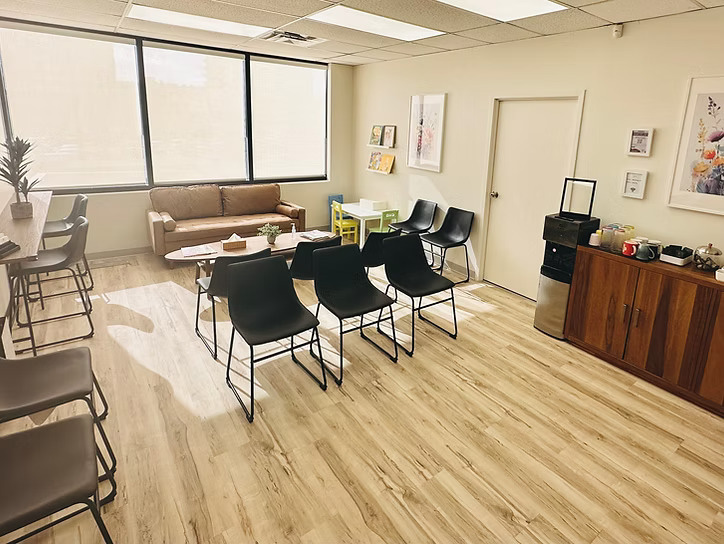
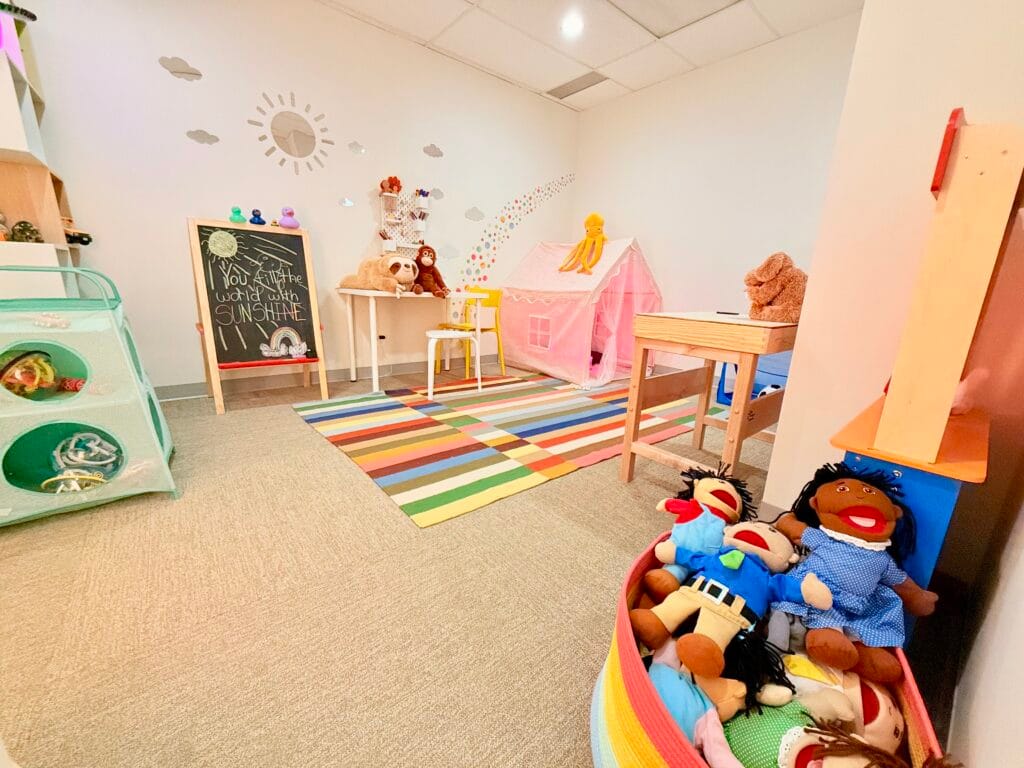
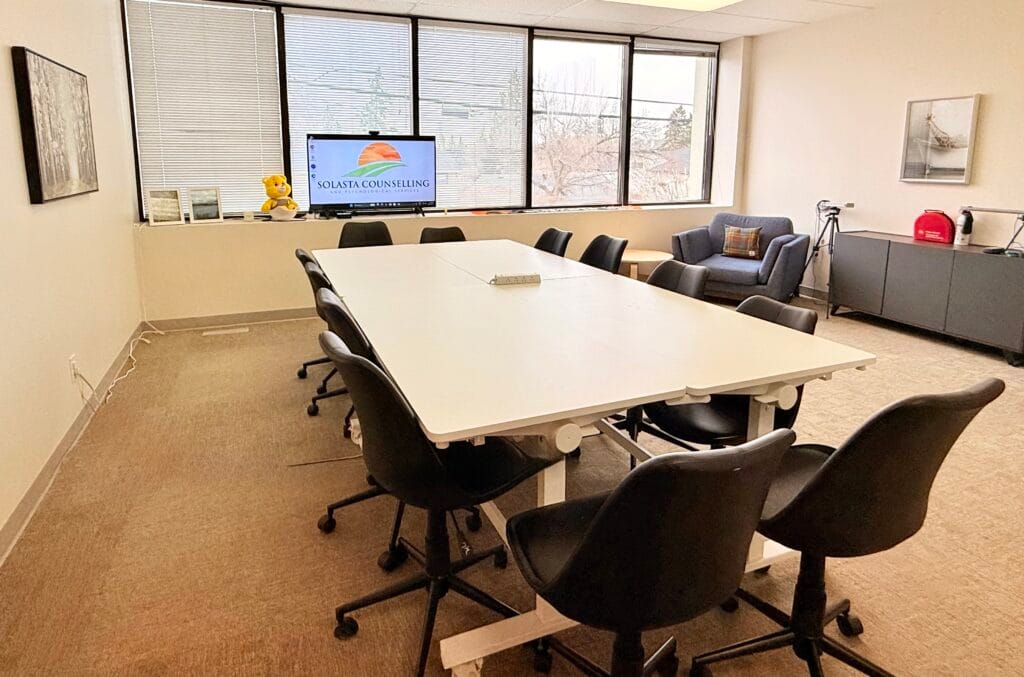
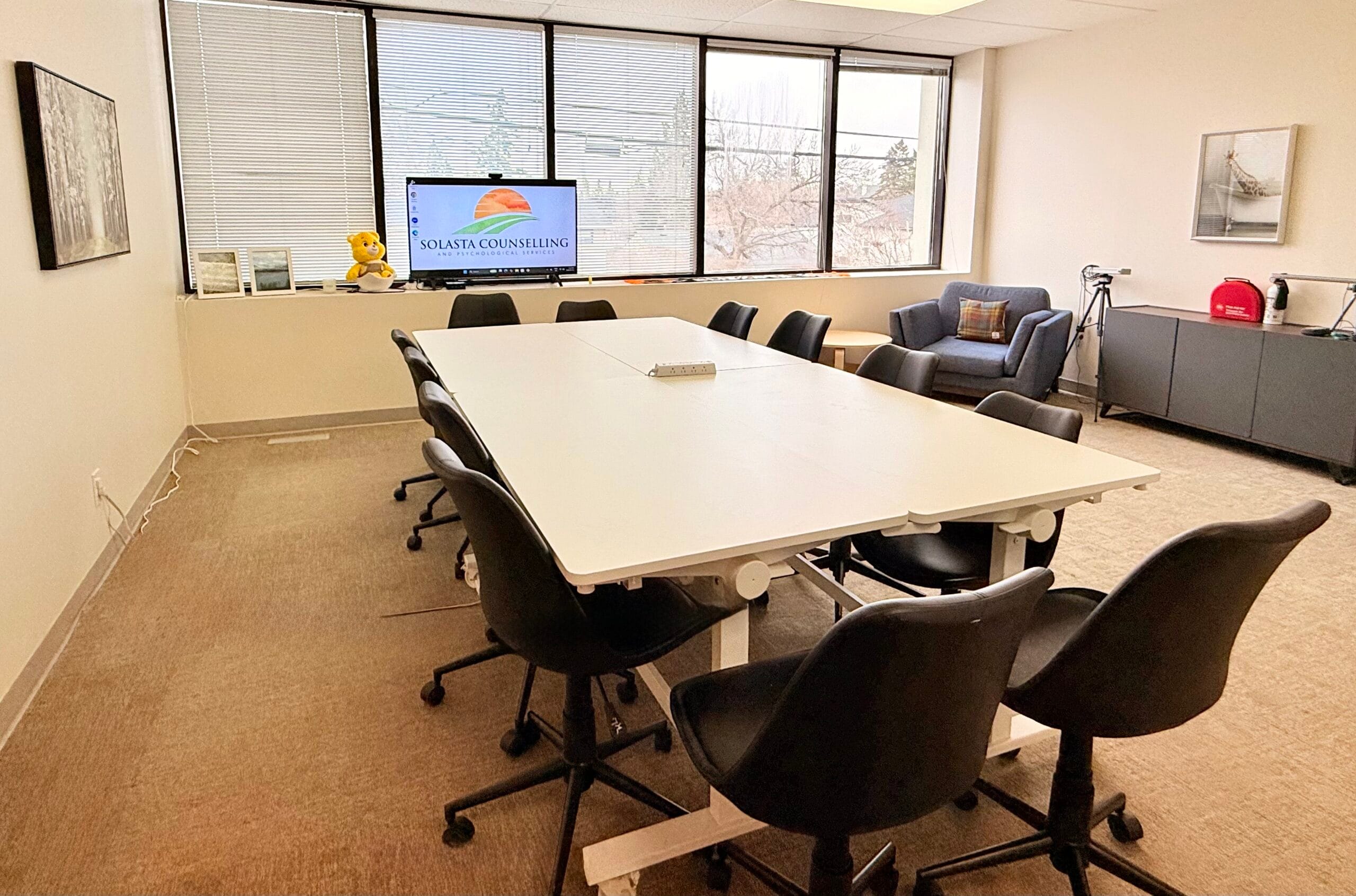
Our Calgary Office Space
Our thoughtfully designed counselling spaces are crafted to create a warm, welcoming environment where you can feel completely at ease.