
By Scott McKirdy – Registered Psychologist and co-owner of Solasta Counselling in Calgary. View Scott’s profile >>
I’ve found myself bringing up Dolly Parton with clients a surprising number of times this year, usually when someone is describing the gap between how they really feel and how they act around other people. They might be saying yes to things they don’t want to do, or staying upbeat all day at work and then feeling completely flat by the time they get home. Some have been the easygoing one in their family or friend group for so long that when I ask what they actually like, they have a hard time answering.
At some point in those conversations I’ll ask why they think everyone loves Dolly Parton, and people always have an answer ready, whether it’s her sense of humour, how kind she seemed, or that voice. I agree with all of that, but my own answer is a little different. I think people loved her because she knew exactly who she was and never seemed to be pretending to be someone else, which is something you don’t come across very often and is a real relief when you do.
“Find out who you are and do it on purpose”
Dolly died in August at the age of 80. I’ve read a lot of the tributes since then, and apart from the music, the thing people keep mentioning is how genuine she was. CBC described her as adored for her artistry, honesty and philanthropy, and I was glad to see honesty on that list.
She had a saying she used for years, “Find out who you are and do it on purpose.” In a conversation with TODAY.com, she added “and do it with purpose” to the end of it, and explained that “you got to know who you are because so many people try to emulate or copy somebody else.”
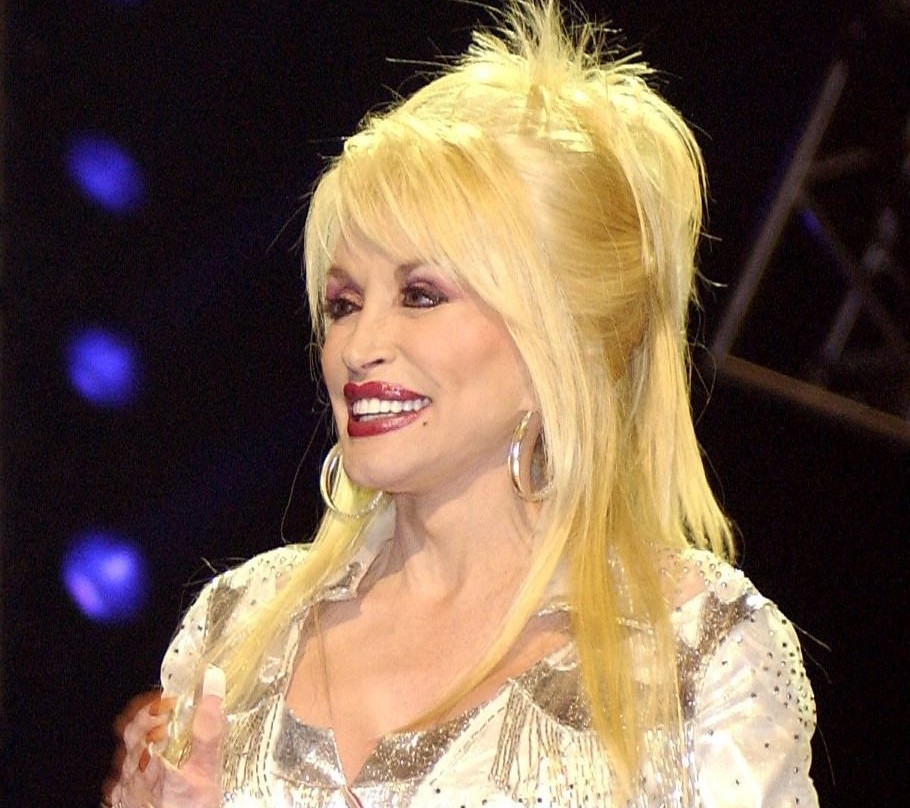
When you think about the hair, the rhinestones and the nails, it’s clear she knew how people saw her. She once said, “I’ve always been misunderstood because of how I look. Don’t judge me by the cover ’cause I’m a real good book!” She could easily have toned things down to be taken more seriously, but instead she joked about it. Her best-known line is probably “It costs a lot of money to look this cheap,” and when an NPR interviewer brought it up, she simply said, “Well, it’s true.”
My personal favourite is “I look totally artificial, but I am totally real” (American Songwriter).
I come back to that line a lot with clients, because many people assume that being authentic means being completely unfiltered or telling everyone everything about yourself. Dolly wasn’t like that at all. Her look was about as carefully put together as it gets, and she would have been the first to tell you so, but she was the one who chose it. She knew what mattered to her, and she didn’t give that up in order to fit in.
The regret people talk about at the end
Bronnie Ware spent years working in palliative care and later wrote about what her patients told her in their final weeks. The regret she heard most often was, “I wish I’d had the courage to live a life true to myself, not the life others expected of me.”
I hear versions of this in my office as well, and not only from older clients. Sometimes it’s someone who went into a career because their parents expected it and has resented it for twenty years, or a parent whose kids have moved out and who is starting to realize that their whole life has been organized around keeping everyone else happy. I also see people in their twenties who already feel like they’re following a script that somebody else wrote for them.
In my experience, people rarely regret the things they did that were true to who they are, even when those things didn’t work out the way they’d hoped. What tends to bother them is the time they spent going along with what was expected.
Why it’s so hard to just be yourself
If being yourself were easy, everybody would already be doing it. Most of us worked out fairly early in life which parts of us went over well and which didn’t. A child who gets praised for being quiet and easy to manage usually gets very good at being quiet and easy to manage, and a teenager who gets teased for something they love will often stop talking about it. Those were sensible adjustments at the time, because we needed the people around us and wanted to stay close to them.
The trouble is that we tend to keep doing these things long after they stop being useful. Over time they can turn into people-pleasing, perfectionism, or saying “I’m fine” when you aren’t, which toxic positivity only makes worse. For many autistic adults, and especially women, it can show up as masking, which means years of watching and copying how other people act. Masking is exhausting, and after a while it can become hard to tell which parts are really you and which parts are the act. We’ve written more about this in our post on autism in women and girls.
I don’t see any of this as a flaw in the person. These are ways people learned to protect themselves, but they come at a cost, and one of the biggest is the feeling that nobody really knows you.
What being yourself actually looks like
Being yourself doesn’t mean saying every thought out loud or quitting your job on Monday morning. Dolly worked extremely hard, made plenty of compromises, ran several businesses, and kept a good part of her life private.
When clients start working on this, the changes are usually fairly small. Someone might notice that they’re about to say yes out of habit and tell the other person they’ll think about it instead, or they might tell one friend how they’ve really been doing lately. Sometimes it’s as simple as finally signing up for the pottery class they’ve been talking about for five years.
It often feels awkward at first, too. If you’ve spent years learning that showing a certain side of yourself is risky, your body is going to react when you start showing it, and that reaction doesn’t mean you’re making the wrong choice. More often it just means you’re doing something unfamiliar.
Some questions to think about
You don’t need to have answers to these right away, and it’s fine to simply notice what comes up when you read them.
-
If nobody was going to be disappointed, what would I do differently this week?
-
Who do I feel most like myself around, and what’s different about being with them?
-
What did I love as a kid, before I knew what was considered cool?
-
Where in my life am I saying yes when I mean no?
Why we loved watching her
I think part of what made Dolly so easy to love was the sense of permission she gave people. Here was someone who was completely herself, and rather than being punished for it, she was loved even more. It’s hard to watch someone like that without wondering whether you could get away with being a bit more yourself, too.
Most of us aren’t going to start wearing rhinestones to Safeway, but the people we’re drawn to are usually the ones who aren’t putting on an act. I’d bet that the people in your life would be glad to see more of the real you.
If you want some help with this
This can be hard to work out on your own, especially if you’ve spent a long time being whoever other people needed you to be. Counselling can give you space to sort out what you actually want and care about, and what may have been pushed aside along the way.
If you’d like to talk with someone, you can read more about individual counselling at Solasta or use our 30-second matching tool to find a therapist who would be a good fit for you.