


Autism Counselling in Calgary

Autism counselling at Solasta is therapy that starts from how your brain actually works. It is not about making anyone less autistic. It is about the things that tend to wear autistic people down: burnout, masking, sensory overload, anxiety, change, relationships, and making sense of a new or long-suspected diagnosis.


Our psychologists and therapists offer neurodiversity-affirming counselling in Calgary for autistic adults, including late-diagnosed adults, and for autistic children, teens and their parents. Sessions are available in person at our NW Calgary office or online anywhere in Alberta, and you do not need a formal diagnosis to start.


If you are wondering about a diagnosis, we also provide adult autism assessments and child and teen autism assessments within the same practice.

A mother and her young son build with wooden blocks in a bright playroom. Used on Solasta Counselling's autism counselling page, which supports autistic adults, children, teens and parents in Calgary and online.

Does This Sound Familiar?

Autism looks different from person to person, and it often looks nothing like the stereotype. Some of these may fit:

  • You spend a lot of energy working out what other people expect, and you are exhausted by the end of the day even when nothing went wrong
  • You hold it together at work or school, then fall apart at home where it feels safe to
  • Noise, light, crowds, clothing or busy places wear you down faster than they seem to wear down other people
  • Unexpected changes to plans throw off your whole day, even small ones
  • You have been told you are “too much”, “too blunt” or “too sensitive” for most of your life
  • You have had periods where everything stopped working at once: speech, energy, patience, getting through basic tasks
  • Your deep interests are a big source of energy and joy, and people have not always understood that
  • You received an autism diagnosis recently and you are not sure what to do with it yet
  • You have wondered about autism for years, maybe after a child or relative was diagnosed

Many autistic adults are identified late, particularly women, gender-diverse people, and anyone who learned early to mask. A lot of people first come to counselling in their 20s, 30s or 40s, when years of masking finally stop being sustainable.

Woman wearing headphones to reduce sensory overload at home

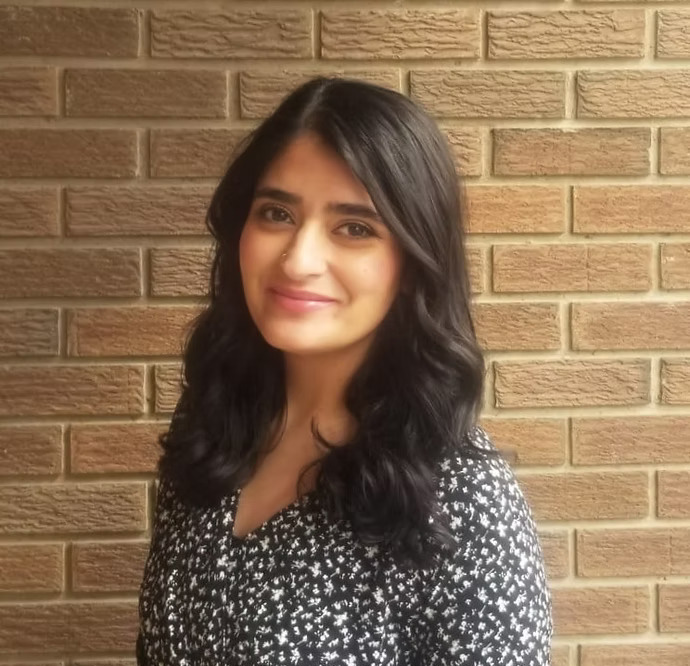
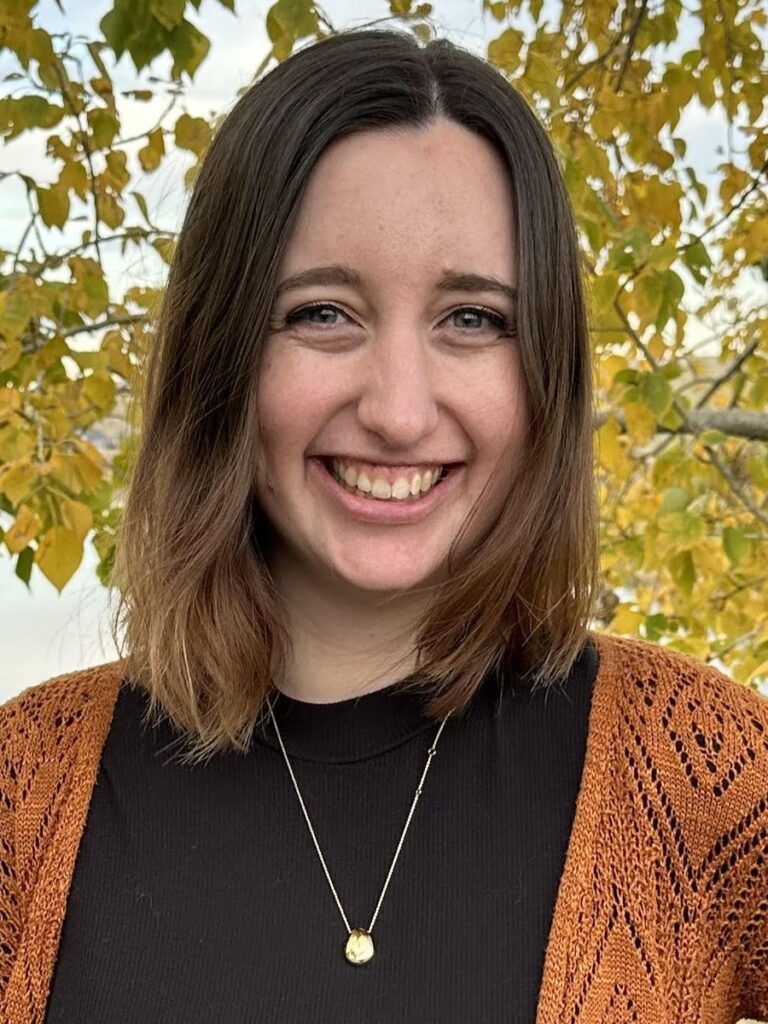
Our Calgary Autism-Affirming Therapists

Our autism counselling team includes psychologists and therapists who work with autistic adults, children, teens and parents. Some focus on adults and late diagnosis, others on play-based work with children and support for families. Depending on what you need, counselling may focus on burnout and masking, sensory needs, anxiety, transitions, relationships, a new diagnosis, or co-occurring ADHD.

What Autism Counselling at Solasta Looks Like

Counselling is shaped around you: how you communicate, how much you want to talk versus write or plan, what your sensory needs are, and what you want to work on. Your therapist will not ask you to make eye contact, sit still, or act less autistic in sessions.


Autism counselling usually covers some combination of the following:

Therapist and autistic adult in a counselling session at a Calgary office

Counselling That Fits How You Think

Some therapy approaches assume everyone processes emotions and conversation the same way. Autism counselling adapts the format: clearer structure, direct language, written summaries if they help, breaks when you need them, and room to talk about your interests without them being treated as a problem.

Making Sense of a New Diagnosis

A diagnosis in adulthood can bring relief, grief, anger, and a lot of questions all at once. Counselling gives you space to look back at your history with new information, decide who to tell and how, and work out what you want to change now.

Masking and Autistic Burnout

Masking means hiding or suppressing autistic traits to fit in. It can work for years, and it is tiring. Autistic burnout is the period of deep exhaustion, lost skills and lowered tolerance that can follow. Therapy helps you recognise your early warning signs, reduce the demands you can reduce, and recover at a pace that is realistic.

Sensory Needs and Overwhelm

Sensory differences affect sleep, work, relationships and how much energy is left at the end of the day. Counselling helps you map what drains you and what restores you, plan around it, and ask for what you need at home, at work and at school without having to justify it.

Relationships and Communication

Autistic people often describe misunderstandings that come from different communication styles rather than from anyone doing something wrong. Counselling can help with friendships, dating, partners, family and workplace relationships, including how to explain your needs to the people around you.

Anxiety, Depression and ADHD

Anxiety and depression are common for autistic people, often because of years of living in environments that do not fit. ADHD also commonly co-occurs (sometimes called AuDHD). Your therapist will look at the whole picture rather than one label at a time. See also our ADHD counselling and anxiety counselling pages.

Practical Strategies That Work With Your Brain

Alongside the emotional work, counselling can include practical, concrete strategies. This might include:

  • Energy accounting: planning your week around how much capacity you actually have
  • Routines and transitions: making changes to plans less disruptive
  • Sensory planning: reducing overload at home, at work and in public
  • Workplace or school accommodations, and deciding whether and how to disclose
  • Communication: scripts, written check-ins, and ways to repair after conflict
  • Self-advocacy with doctors, employers, teachers and family

Do I Need an Autism Diagnosis to Start Counselling?

No. You can start autism counselling with or without a formal diagnosis. Many people come to us because the description of autism fits their experience and they want support now, whether or not they pursue an assessment.

If you would like a formal assessment, for yourself, for workplace or school accommodations, or for your child, Solasta offers adult autism assessments and child and teen autism assessments as a separate service. Counselling and assessment can happen at the same time or one after the other.

Who We Work With

We work with autistic adults and with autistic children and their families, whether autism is suspected, newly diagnosed, or diagnosed years ago.

Child psychologist doing play-based autism counselling with a young boy in Calgary

Autistic Adults

Adults come to autism counselling for burnout, workplace stress, relationships, anxiety, and the long-term effects of years of masking. We work with adults whether they were diagnosed as children, diagnosed recently, or are still wondering.

Late-Diagnosed Adults

Finding out you are autistic in your 30s, 40s, 50s or later can change how you understand most of your life. Counselling helps you sort through that, including the relief, the grief for earlier years, and what you want to do differently now. Many clients come to us after an adult autism assessment, here or elsewhere.

Autistic Women and Gender-Diverse Adults

Autism in women and gender-diverse people is frequently missed, partly because masking is often stronger and the presentation does not match older research based mostly on boys. Many arrive in counselling after years of being treated for anxiety or depression alone. Our 2SLGBTQIA+ counselling is affirming.

Autism at Work

Open-plan offices, unclear expectations, meetings and office politics can drain autistic adults quickly. Counselling can help you work out what you need, decide whether and how to disclose, ask for accommodations, and recover from or avoid workplace burnout.

Autistic Children

For children, counselling is play-based and practical. Sessions focus on emotional regulation, anxiety, coping with change and transitions, and building confidence, at a pace and in a way that suits the child. Parents are involved throughout, so strategies carry over to home and school.

Autistic Teens

The teen years bring more social complexity, more independence and more pressure at school. Counselling for autistic teens focuses on self-understanding, managing stress and sensory load, friendships, and learning to advocate for what they need.

Parents of Autistic Children

A new diagnosis for your child can bring relief and a long list of questions. We support parents with understanding their child, school planning and advocacy, family stress, and their own wellbeing, including parents who are autistic themselves. If you are wondering whether your child is autistic, see our child and teen autism assessments.

Why Choose Solasta for Autism Counselling in Calgary?

Three things set autism counselling at Solasta apart:

Affirming, not corrective

Counselling here is not about making you appear less autistic. It is about reducing what wears you down and building a life that fits how you are wired.

Adults and children

Some of our therapists focus on autistic adults and late diagnosis, others on play-based work with autistic children and support for parents. We match you with the right person for your age and situation.

Assessment and counselling under one roof

Our psychologists also complete autism assessments for adults, teens and children, so moving from assessment to support does not mean starting over with a new provider.

Does Insurance Cover Autism Counselling?

Counselling with a Registered Psychologist is covered by most extended health benefit plans, and many plans also cover our Registered Social Workers and counsellors. Solasta offers direct billing to over 30 insurers, including Alberta Blue Cross, Sun Life, Canada Life, Manulife and GreenShield.

Assessments are priced separately from counselling. See our fees page for details.

Parent and autistic child doing a puzzle together at home

CAP

All of our psychologists are registered with the College of Alberta Psychologists.

PAA

Many of our psychologists are members of the Psychologists’ Association of Alberta.

CCPA

Many of our psychologists are members of the Canadian Counselling and Psychotherapy Association.

FAQs

No. You can start counselling with or without a diagnosis. If you also want a formal assessment, Solasta offers adult and child autism assessments as a separate service, and the two can run at the same time.

No. Our approach is neurodiversity-affirming: autism is treated as a difference in how your brain works, not something to fix. Counselling focuses on what is making life harder, such as burnout, anxiety, sensory overload or difficult transitions, and on building a life that fits you.

An autism assessment answers the question of whether you are autistic and produces a written report, which can be used for accommodations or funding. Autism counselling is ongoing support for whatever you are dealing with, before or after a diagnosis. Many people do one, then the other.

Yes. Counselling can help you recognise the early signs of burnout, reduce the demands you can reduce, plan recovery at a realistic pace, and look at the masking and environmental pressures that led to it, so it is less likely to happen the same way again.

It can help, particularly with emotional regulation, anxiety and transitions, and it gives parents practical guidance for home and school. For younger children, sessions are play-based. Not every child needs ongoing therapy after a diagnosis, and we can help you decide what level of support makes sense for your child right now.

Our therapists adapt approaches to autistic ways of thinking and communicating. These include CBT adapted for autistic clients, Acceptance and Commitment Therapy (ACT), neurodiversity-affirming DBT skills, and trauma therapies such as EMDR where they fit. For younger children we use play-based approaches, with parents involved.

Yes. You do not need to wait for an assessment, here or anywhere else, to get support with burnout, anxiety or the questions that led you to seek one. Counselling while you wait can also help you prepare for the assessment and make sense of the results afterward.

Our office is at 1716 16 Ave NW in Calgary. Autism counselling is available in person or online anywhere in Alberta, which many autistic clients prefer because it removes travel and sensory load. We are open Monday to Thursday 9 am to 8 pm, Friday 9 am to 6 pm, and Saturday 9 am to 5 pm.

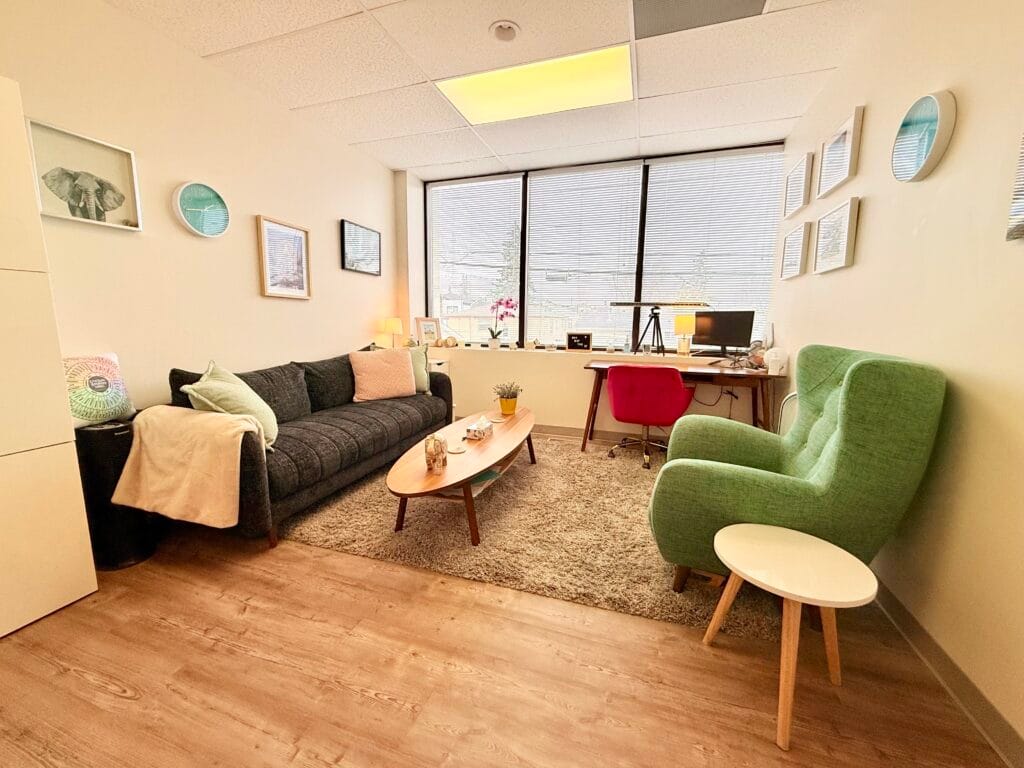
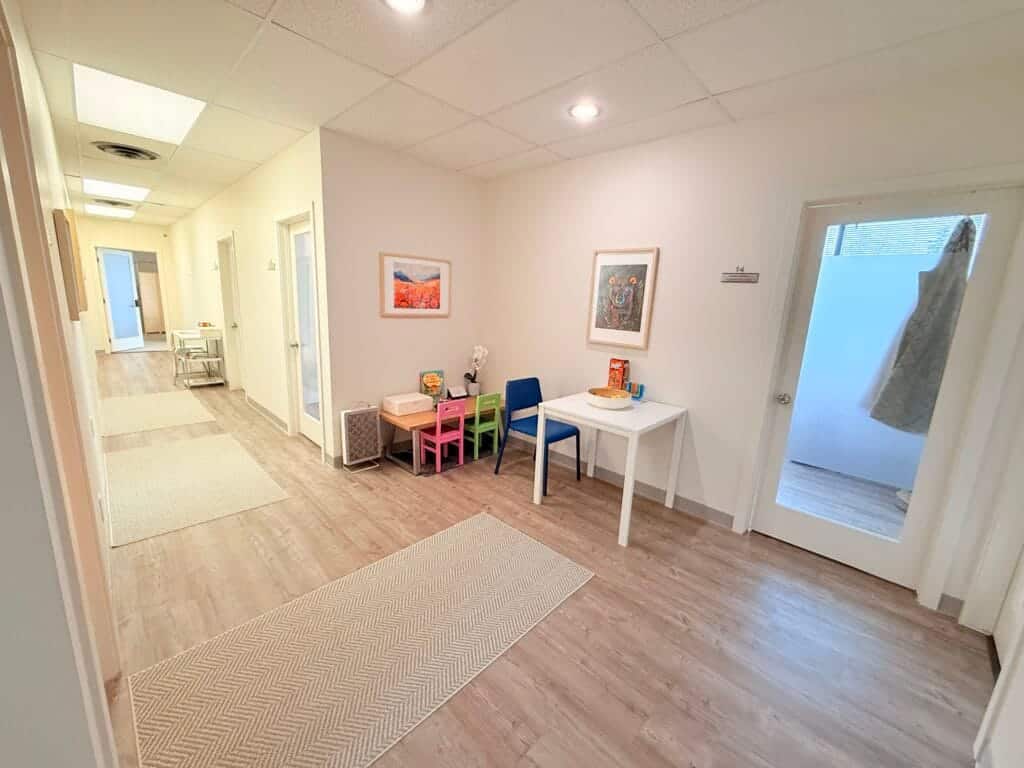
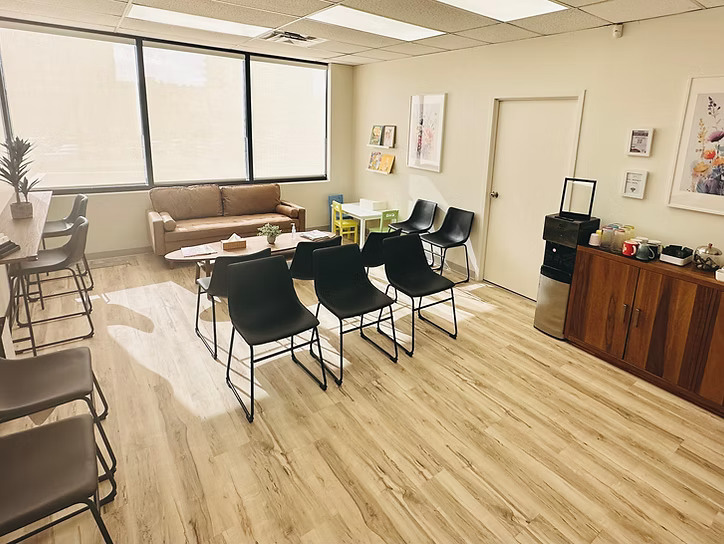
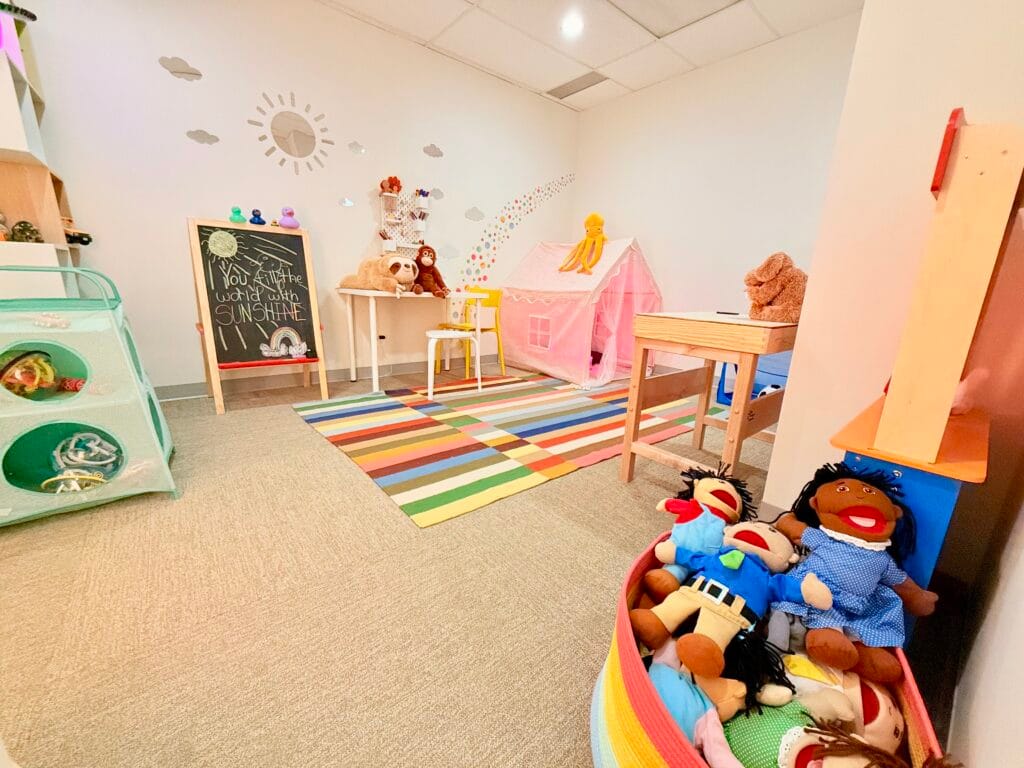
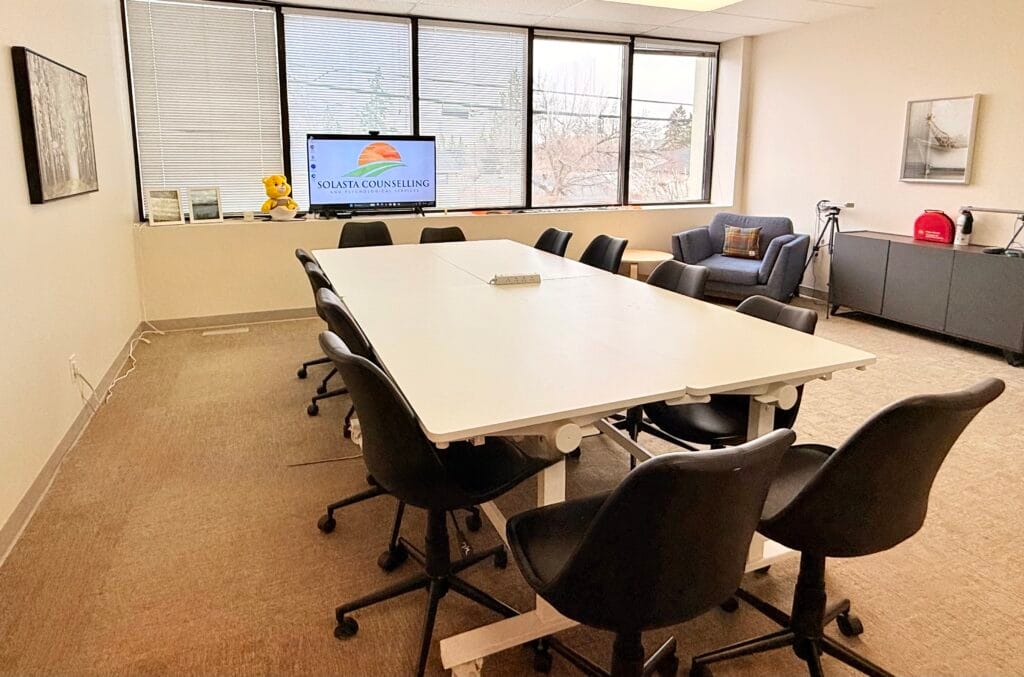
Our Calgary Office Space

Our thoughtfully designed counselling spaces are crafted to create a warm, welcoming environment where you can feel completely at ease.

Get Started With Solasta in Three Easy Steps

1

Find Your Therapist

2

Book Online

Choose a date and time that fits your schedule and receive instant confirmation of your appointment.

3

In-person or Online

Visit our welcoming Calgary office or meet with your therapist online from the comfort of your home.

Find a Therapist >> Call