


Addiction Counselling in Calgary

Addiction counselling at Solasta is confidential, non-judgmental therapy for people who want to change their relationship with alcohol, cannabis, other drugs, gambling or other habits that have started to take more than they give. Your goal might be cutting back, stopping, or staying stopped. We start from where you are.


Our therapists have worked in addiction and recovery settings, including hospital and community programs in Calgary, and see adults and older teens. Sessions are available in person at our NW Calgary office or online anywhere in Alberta, and you do not need a referral.


We also support partners and family members who are affected by someone else’s substance use or gambling.

Does This Sound Familiar?

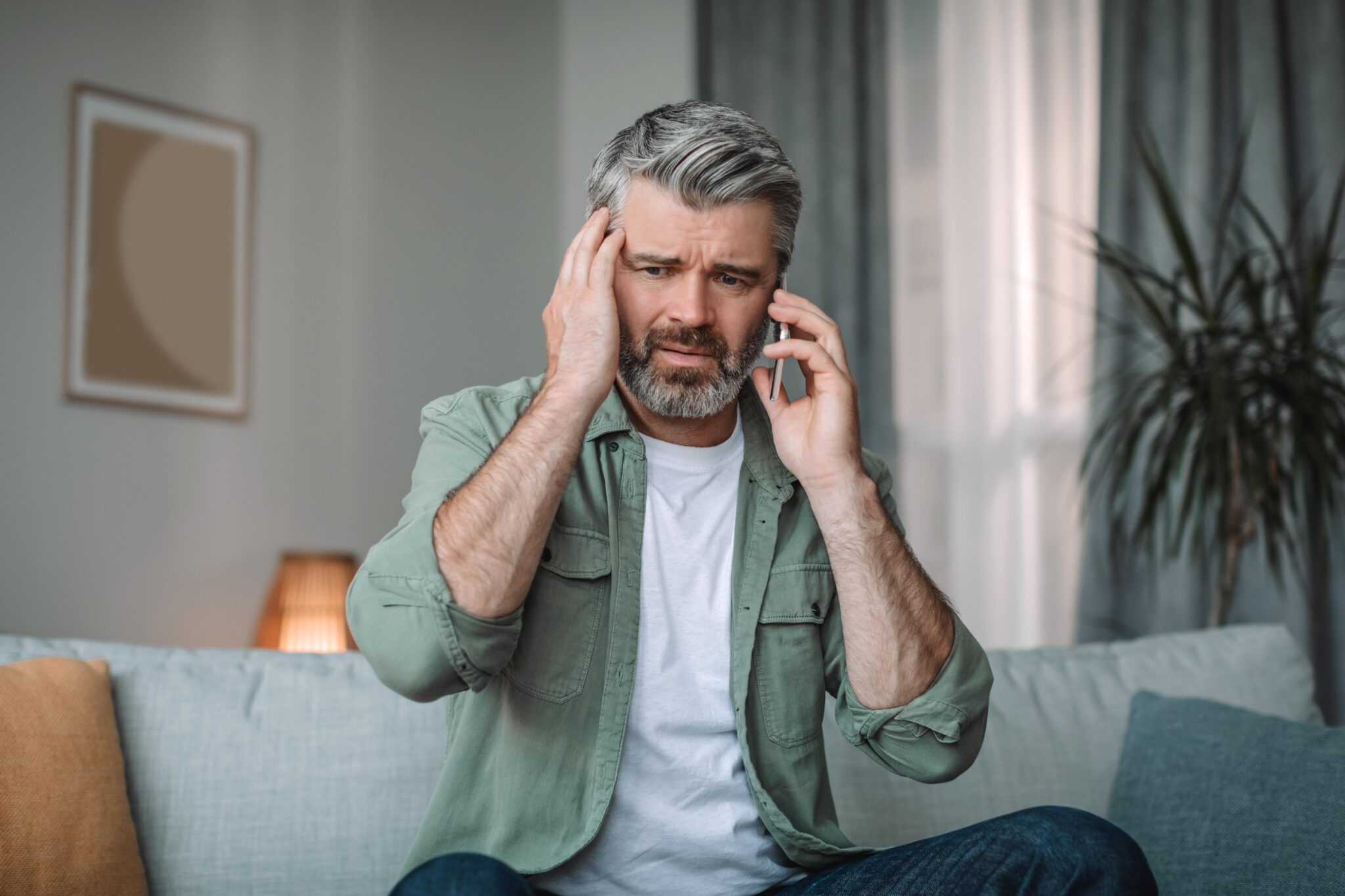
Addiction rarely looks like the stereotype. Most people who come to us are working, parenting and getting through the week. Some of these may fit:

  • You drink, use or gamble more than you plan to, more often than you plan to
  • You have tried to cut back on your own and it has not stuck
  • It has become the main way you unwind, sleep, cope with stress or get through social situations
  • You hide how much you use, or feel defensive when someone raises it
  • Mornings, money, work or relationships are starting to take the hit
  • You feel anxious, low or on edge when you are not using
  • You stopped a while ago and you are finding it harder to stay stopped than you expected
  • Someone close to you has asked you to get help, and part of you thinks they might be right

You do not need to hit “rock bottom” or call yourself an addict to start counselling. If you are wondering whether your use is a problem, that is a reasonable place to begin.

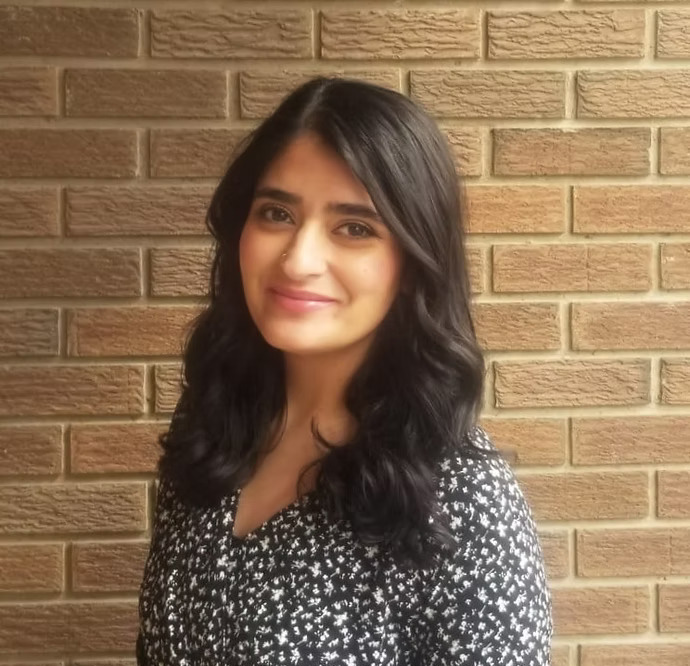
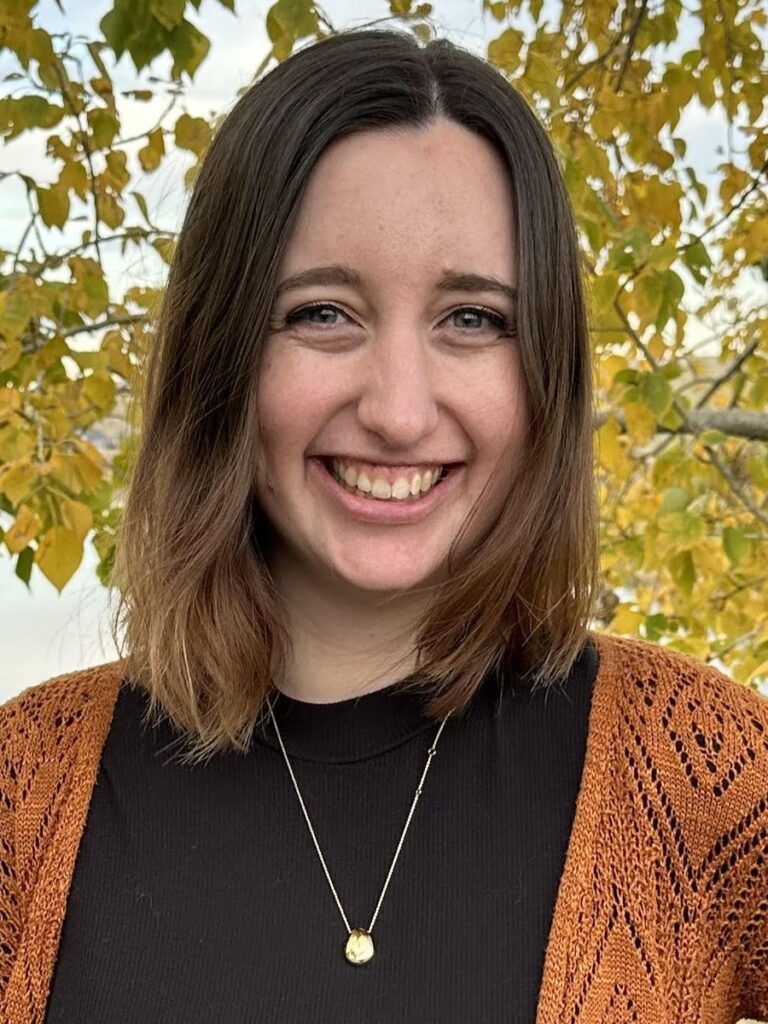
Our Calgary Addiction Counsellors

Our addiction counselling team includes therapists who have worked in hospital addiction services, community recovery programs and mental health settings in Calgary. Depending on what you need, counselling may focus on alcohol, cannabis, other drugs or gambling, cravings and relapse, trauma, anxiety and depression, or rebuilding relationships.

What Addiction Counselling at Solasta Looks Like

Counselling is a conversation, not a lecture. Your therapist will not shame you, push a label on you, or insist on one way of recovering. You decide the goal, and the work is built around it.


Addiction counselling usually covers some combination of the following:

Your Goals, Not Ours

Some people want to stop completely. Others want to cut back, use more safely, or take a break and see what changes. Counselling starts with your goal and adjusts as you go. If your goal changes, the plan changes with it.

Understanding What It Does for You

Substances and gambling usually do something useful, at least at first: they take the edge off stress, quiet anxiety, help with sleep, numb painful memories or make social situations easier. Working out what it does for you shows what needs another solution.

Cravings, Triggers and Relapse

Counselling helps you recognise the people, places, feelings and times of day that set off cravings, and plan for them. A slip is treated as information about what to adjust, not as proof that you have failed or have to start over.

Trauma, Anxiety and Depression

Addiction often sits alongside trauma, anxiety, depression or ADHD. Treating only the drinking, using or gambling leaves the reasons behind it in place. Your therapist looks at the whole picture. See also our trauma therapy, anxiety counselling and depression counselling pages.

Relationships and Rebuilding Trust

Addiction affects partners, children, parents and friends. Counselling can help you have honest conversations, repair trust over time, and work out what support you need from the people around you, and what they need from you.

Identity and Life After

Cutting back or stopping can leave a gap: in your evenings, your social life, and sometimes in how you see yourself. Counselling helps you build routines, relationships and interests that make the change worth keeping.

Practical Strategies

Alongside the deeper work, counselling includes concrete tools. This might include:

  • Tracking patterns so you can see what is actually happening, without judgment
  • Planning for high-risk times, such as weekends, social events, paydays or stressful days
  • Handling cravings and urges as they come up
  • Sleep, stress and emotional regulation skills that do not depend on substances
  • Saying no, setting boundaries and talking to others about the change
  • A relapse prevention plan you can come back to

Is Counselling the Right Level of Support?

For many people, outpatient counselling is enough on its own or alongside other supports, such as a family doctor, a peer group like AA or SMART Recovery, or aftercare following a treatment program. Solasta does not provide detox, medical withdrawal management or residential treatment.

Stopping alcohol, benzodiazepines or opioids suddenly after heavy, regular use can be medically dangerous. If that applies to you, talk to your doctor first, or call the Alberta Addiction Helpline at 1-866-332-2322, available 24/7. In an emergency, call 911.

Who We Work With

We work with adults and older teens at every stage of change, from wondering whether there is a problem to years into recovery, and with the people who love them.

Alcohol

Alcohol is the most common reason people come to us. Many are high-functioning and have never thought of themselves as having an addiction, but notice that drinking has crept up, is harder to control, or is affecting sleep, health, work or family.

Cannabis and Other Drugs

We work with cannabis, stimulants, opioids, prescription medications and other substances. If medical support is needed alongside counselling, your therapist can help you think through options with your doctor.

Gambling and Other Behaviours

Gambling, including online betting and sports betting, can follow the same pattern as substance use: chasing losses, hiding it, and finding it hard to stop. Counselling also covers other compulsive behaviours, such as gaming, that are getting in the way of life.

Life After Treatment

Leaving a treatment program or reaching a period of sobriety is a big change. Ongoing counselling helps with relapse prevention, returning to work and family life, and the things that come up once the substance is no longer there to cover them.

Older Teens and Young Adults

Some of our therapists see teens from 16 and young adults who are worried about vaping, drinking, cannabis or gambling, or who are already struggling to cut back. See also our teen and youth therapy page.

Men

Many men come to counselling for something else first, such as stress, anger, sleep or a relationship, before alcohol or another substance comes up. That is a fine way in. See also our men’s counselling page.

Partners and Family Members

Living with someone else’s addiction is exhausting. Counselling can help you understand what is happening, set boundaries you can keep, look after yourself, and decide what you want to do next, whether or not your loved one is ready for help. See also family counselling.

Why Choose Solasta for Addiction Counselling in Calgary?

Three things set addiction counselling at Solasta apart:

No shame, no single script

You set the goal, whether that is cutting back, stopping or staying stopped. Counselling works alongside AA, SMART Recovery, your doctor, or none of these.

Experience in recovery settings

Our addiction counsellors have worked in hospital addiction services and Calgary community recovery programs before joining Solasta.

The whole picture, under one roof

Trauma, anxiety, depression and ADHD often sit underneath addiction. Our team, including psychologists who complete adult ADHD assessments, can address them in the same place.

Does Insurance Cover Addiction Counselling?

Counselling with a Registered Psychologist is covered by most extended health benefit plans, and many plans also cover our Registered Social Workers and counsellors. Solasta offers direct billing to over 30 insurers, including Alberta Blue Cross, Sun Life, Canada Life, Manulife and GreenShield.

Some employee and family assistance programs (EFAPs) also cover a set number of sessions. See our fees page for details.

CAP

All of our psychologists are registered with the College of Alberta Psychologists.

PAA

Many of our psychologists are members of the Psychologists’ Association of Alberta.

CCPA

Many of our psychologists are members of the Canadian Counselling and Psychotherapy Association.

FAQs

No. Some people want to stop, some want to cut back, and some are not sure yet. You can start counselling at any of those points. Your therapist will work with the goal you choose and help you notice whether it is working.

Yes. What you discuss in counselling is kept confidential and is not shared with your employer, family or insurer. There are a few legal limits, such as a serious risk of harm to yourself or someone else, and your therapist will explain them at your first session.

Yes. Gambling, including online and sports betting, is one of the addictions we work with. Counselling covers urges, chasing losses, money and secrecy, and repairing relationships affected by gambling.

No. Solasta provides outpatient counselling only. If you need medical withdrawal support, detox or residential treatment, talk to your doctor or call the Alberta Addiction Helpline at 1-866-332-2322, available 24/7. We can see you before or after a treatment program.

Yes. Partners, parents and adult children of people with an addiction often need support of their own. Counselling can help with boundaries, stress, communication and decisions about the relationship, whether or not your loved one is in treatment.

It depends on your therapist and what fits you. Common approaches include CBT, Acceptance and Commitment Therapy (ACT), DBT skills for managing urges and emotions, motivational approaches that help you weigh up change, and trauma therapies where trauma is part of the picture.

Yes. Counselling works well alongside AA, NA, SMART Recovery and other peer groups, and many people continue counselling after a residential or day treatment program to support the transition home.

Our office is at 1716 16 Ave NW in Calgary. Addiction counselling is available in person or online anywhere in Alberta. We are open Monday to Thursday 9 am to 8 pm, Friday 9 am to 6 pm, and Saturday 9 am to 5 pm.

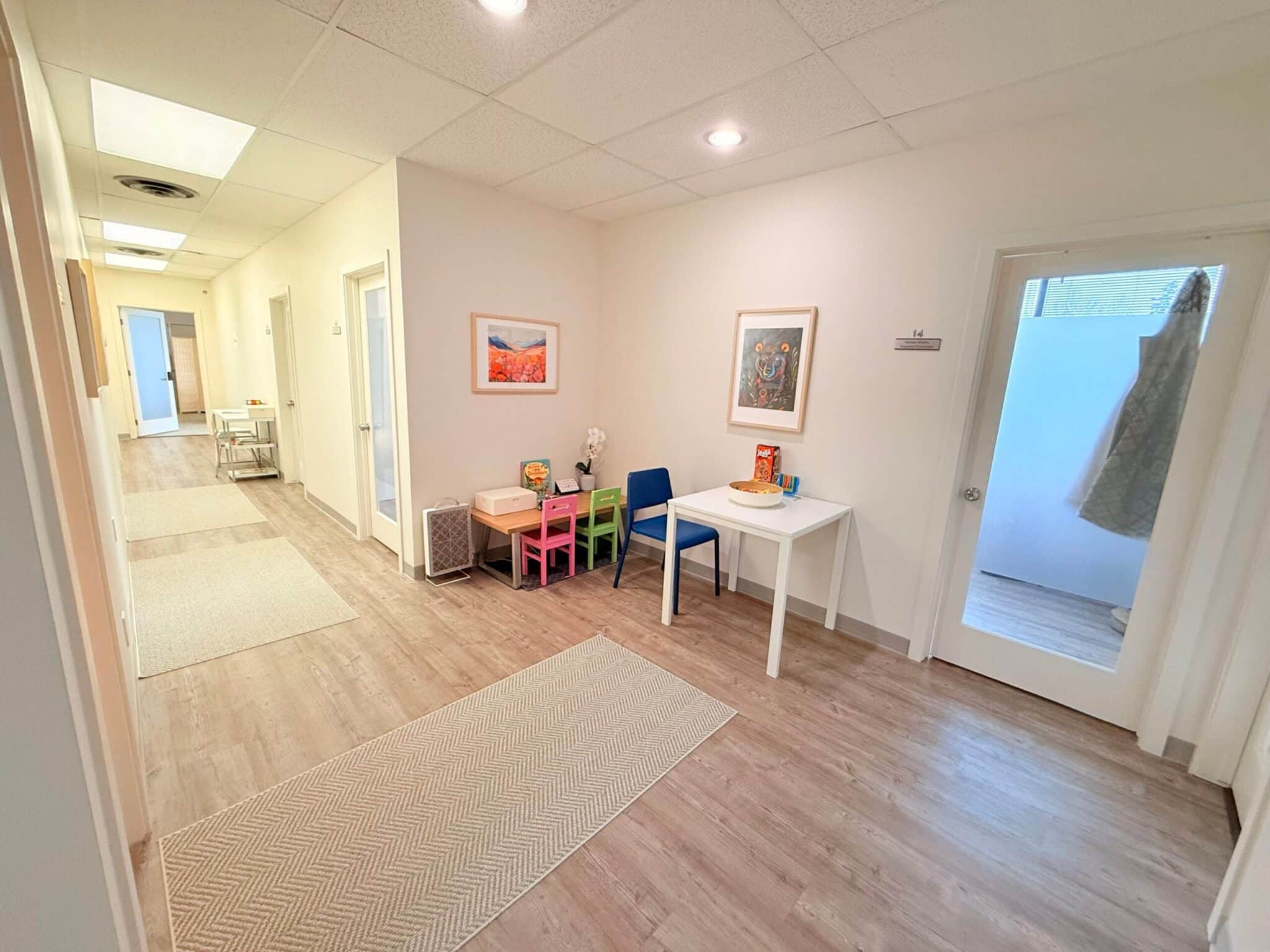
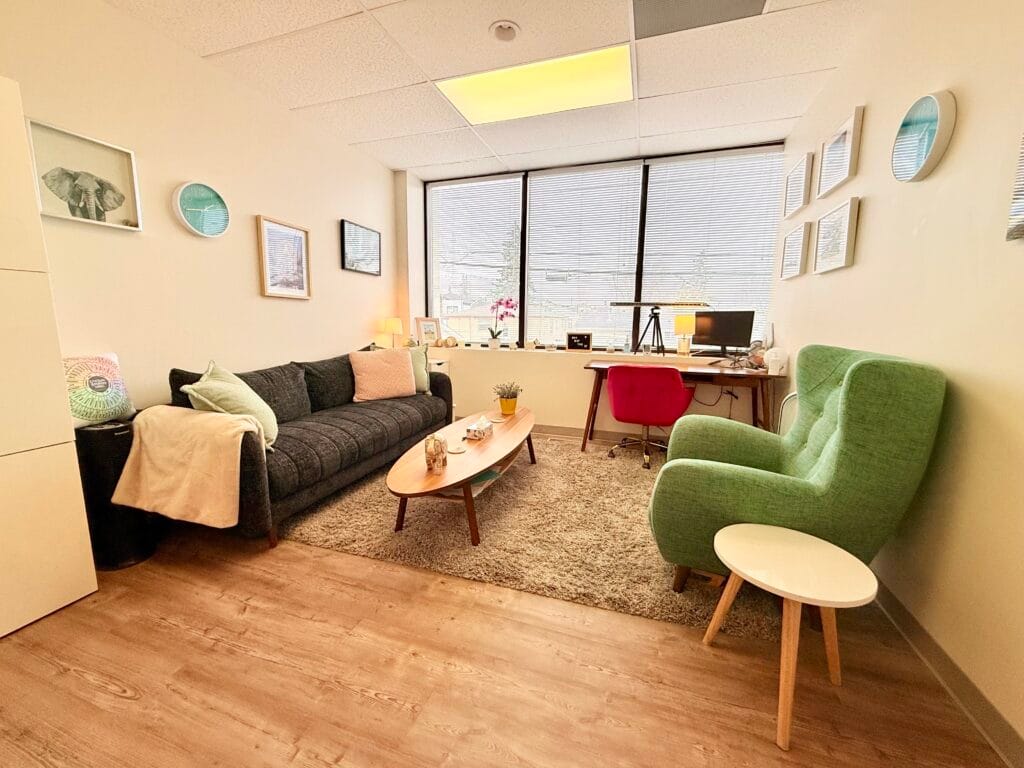
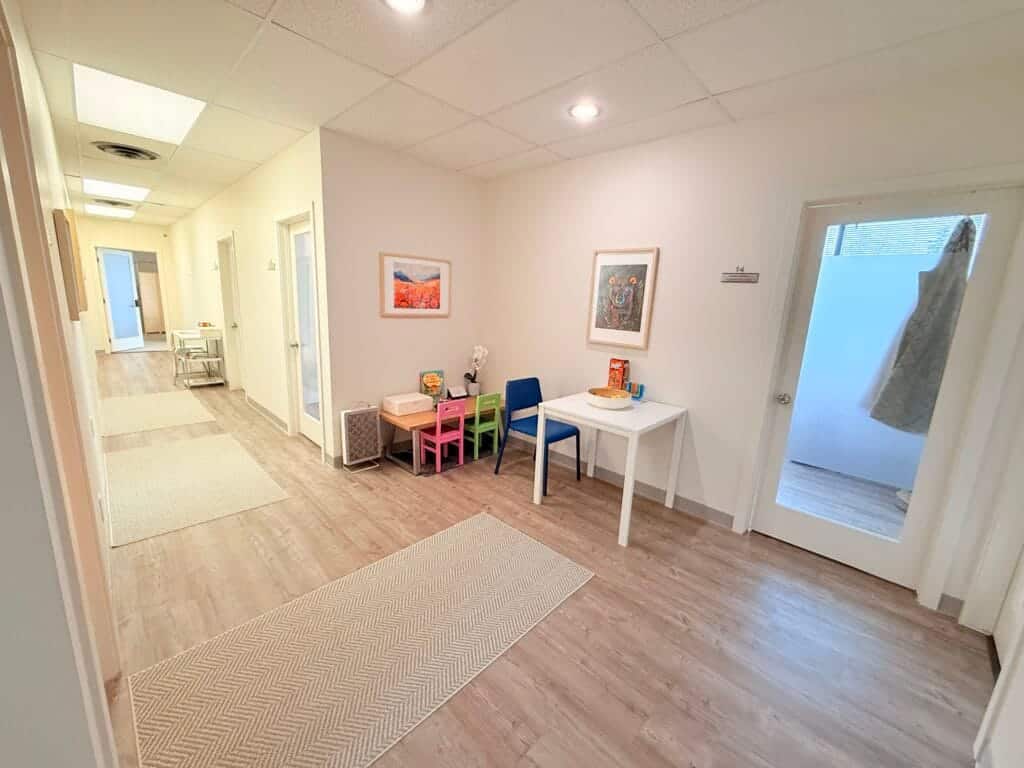
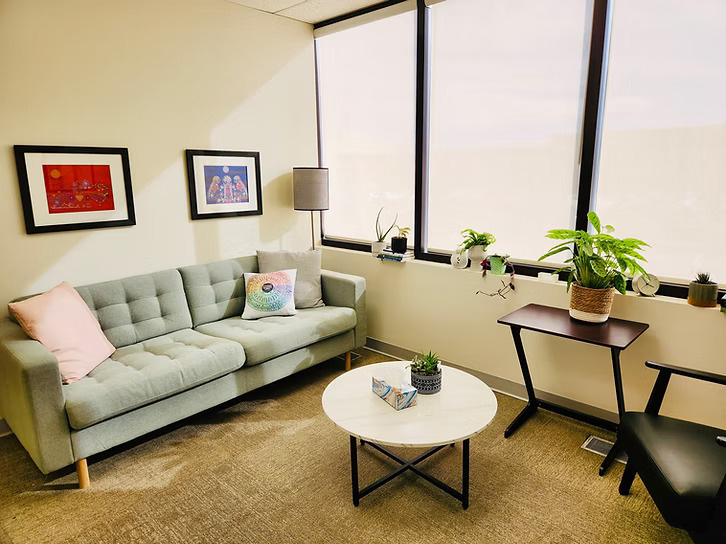
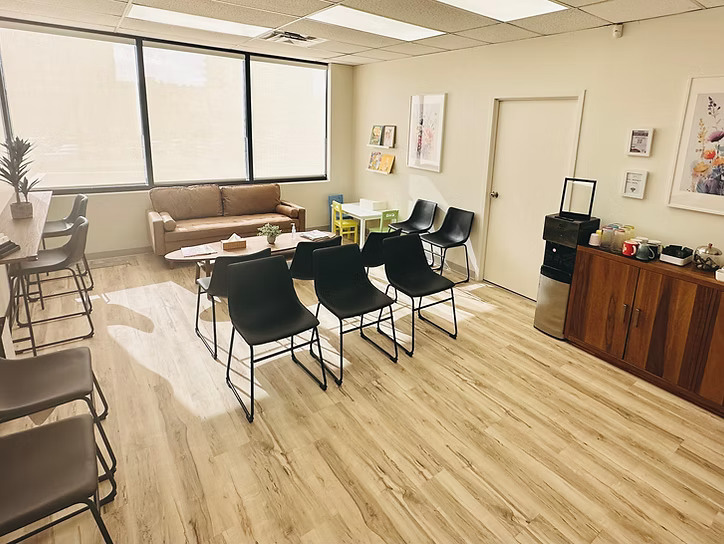
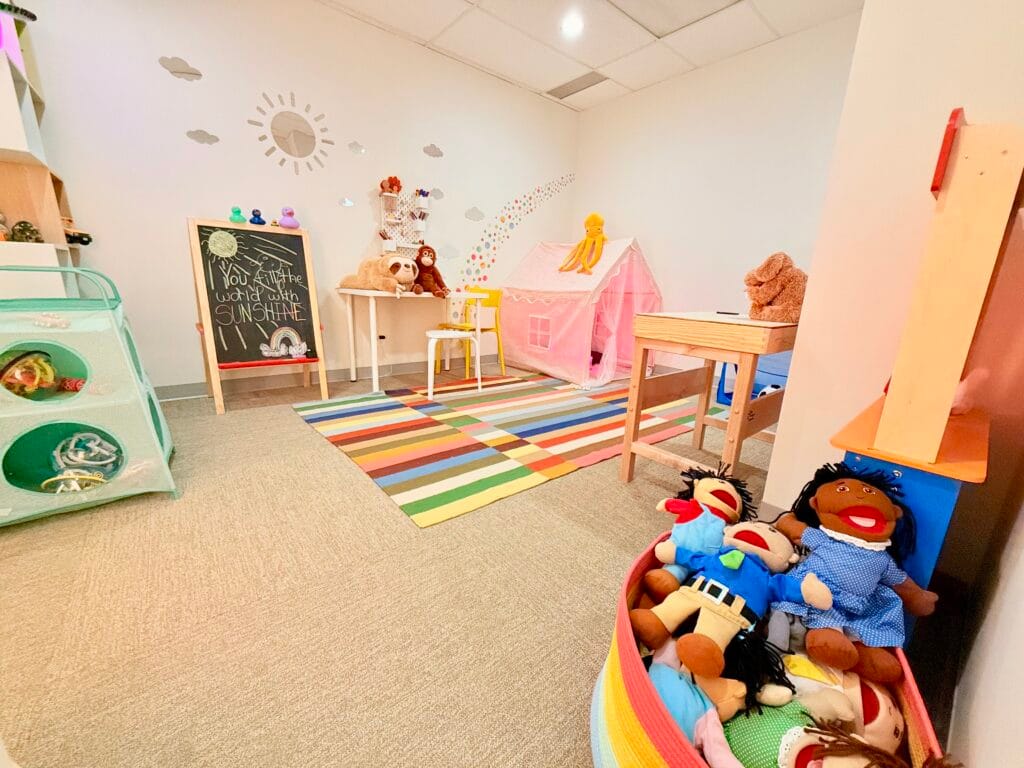
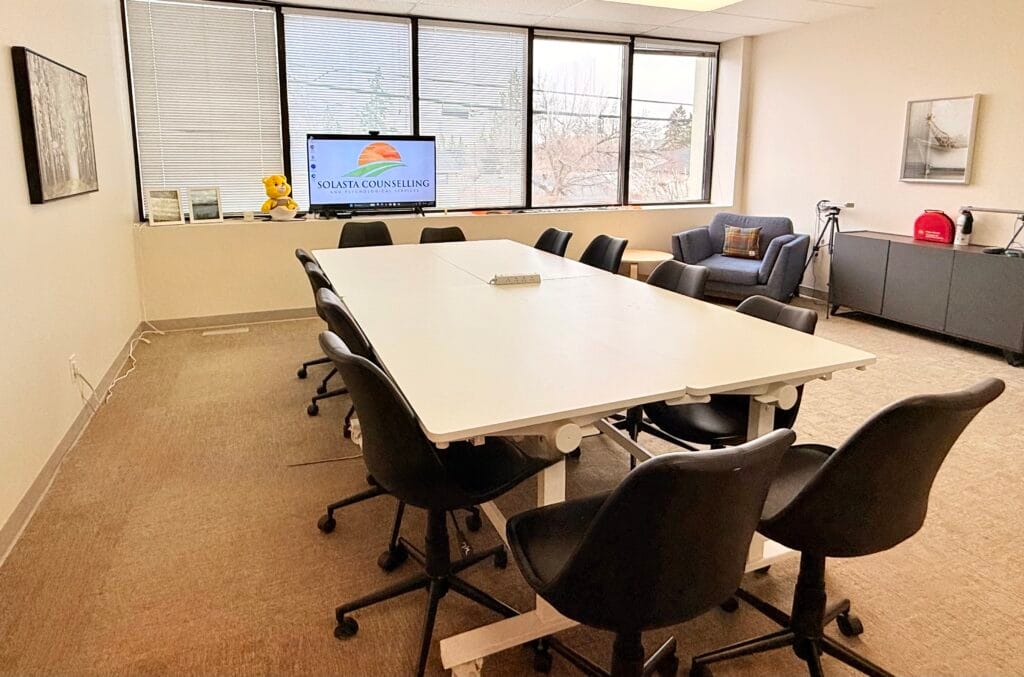
Our Calgary Office Space

Our thoughtfully designed counselling spaces are crafted to create a warm, welcoming environment where you can feel completely at ease.

Get Started With Solasta in Three Easy Steps

1

Find Your Therapist

2

Book Online

Choose a date and time that fits your schedule and receive instant confirmation of your appointment.

3

In-person or Online

Visit our welcoming Calgary office or meet with your therapist online from the comfort of your home.

Find a Therapist >> Call